
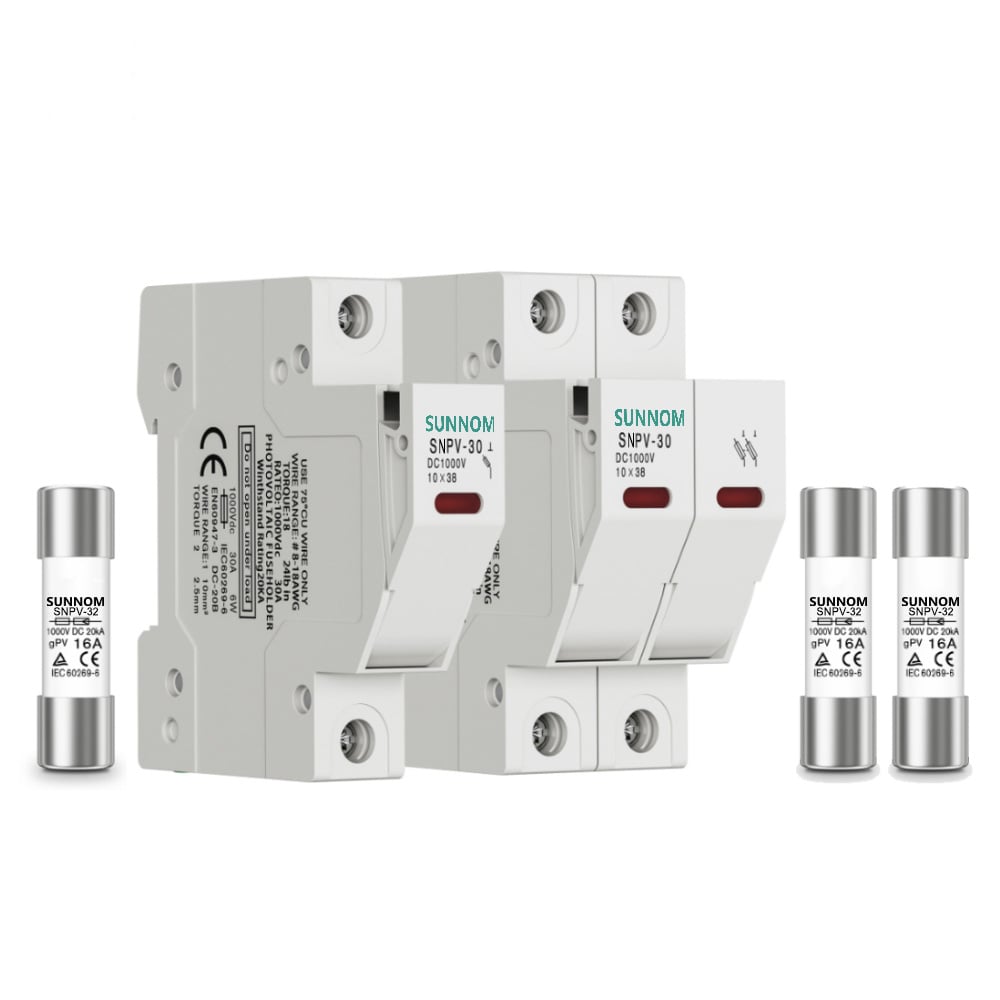
dc solar connector
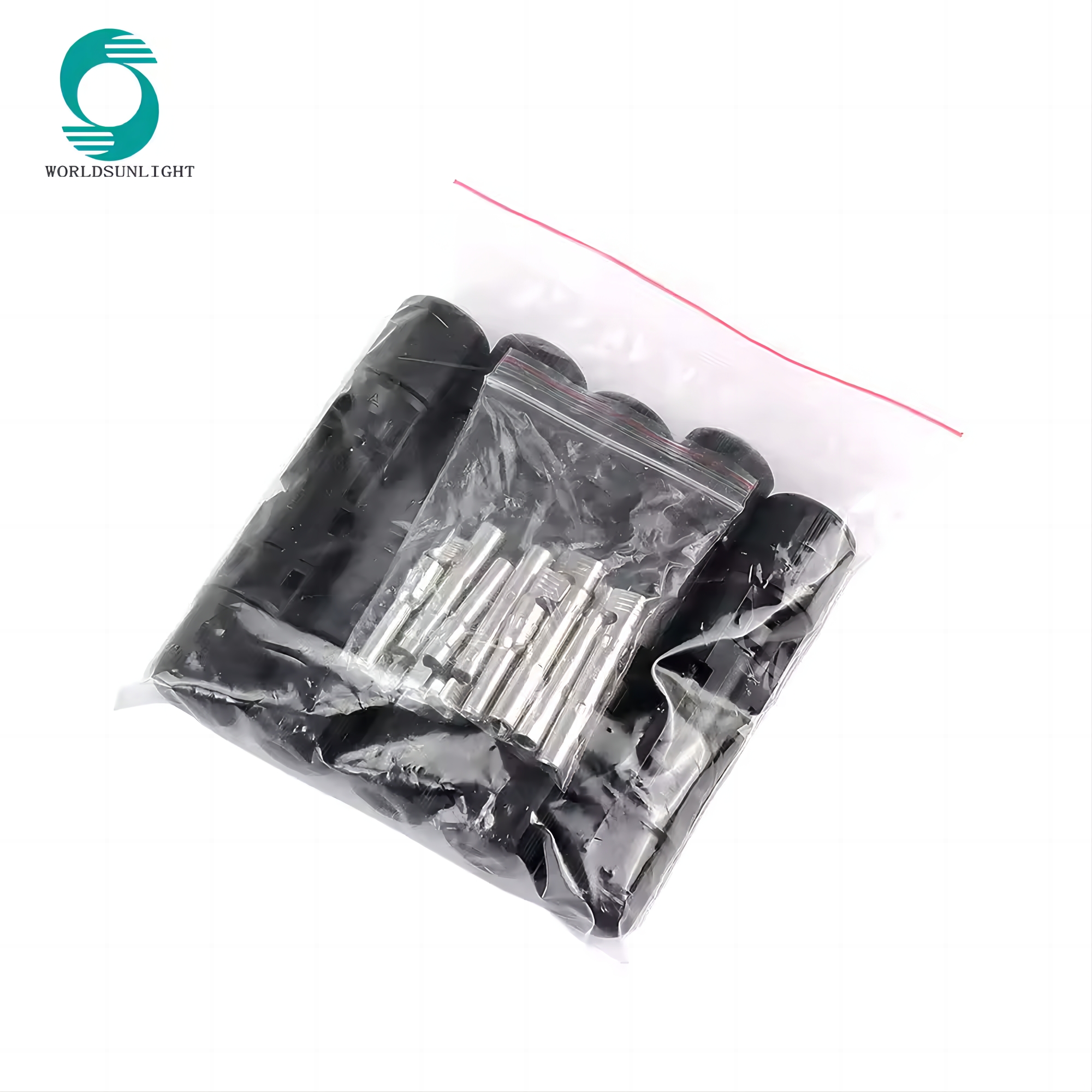
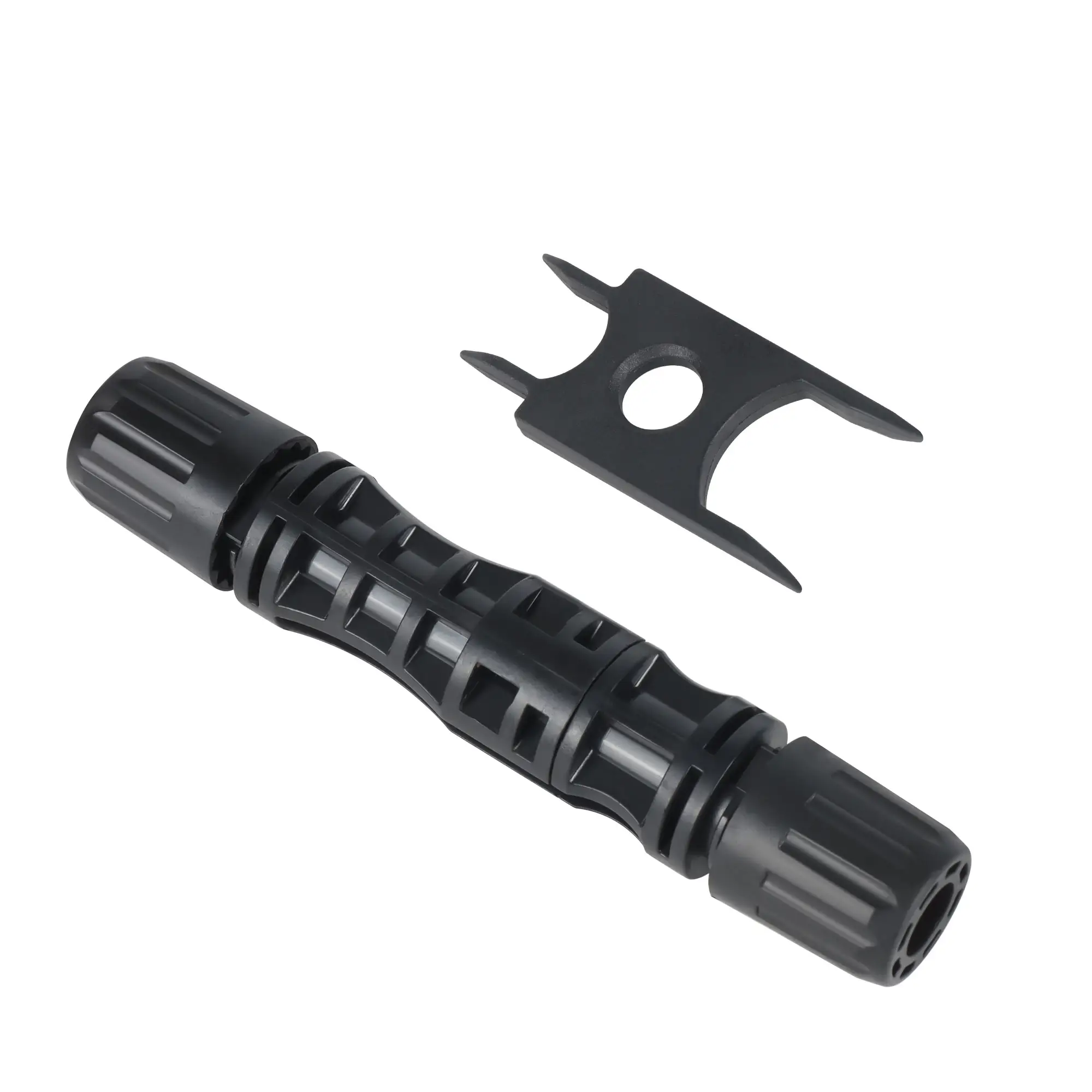
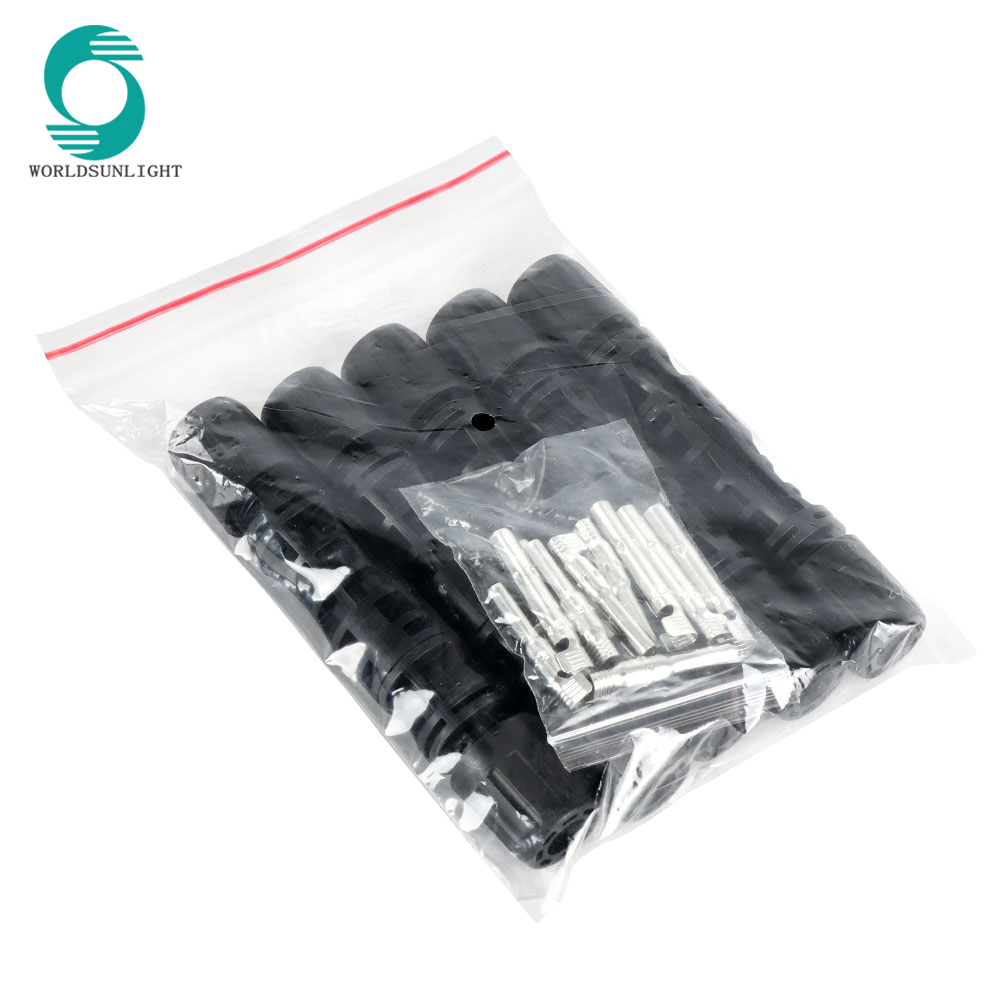
The dc solar connector represents a critical component in modern photovoltaic systems, serving as the essential link that ensures reliable power transmission between solar panels, inverters, and other electrical components. This specialized electrical connector is engineered specifically for direct current applications in solar energy installations, providing secure and weatherproof connections that withstand harsh environmental conditions. The dc solar connector features robust construction with high-grade materials that resist UV radiation, temperature fluctuations, and moisture infiltration, making it indispensable for both residential and commercial solar projects. The primary function of a dc solar connector involves establishing low-resistance electrical pathways that minimize power loss during energy transmission. These connectors incorporate advanced contact technology that maintains consistent electrical performance over extended periods, ensuring maximum energy harvest from solar installations. The technological features of dc solar connectors include touch-safe design elements that prevent accidental contact with live conductors, integrated locking mechanisms that prevent disconnection under mechanical stress, and color-coded housings that facilitate proper polarity identification during installation. Modern dc solar connectors support high voltage ratings, typically ranging from 600V to 1500V, accommodating various system configurations and power requirements. The application scope of dc solar connectors extends across residential rooftop installations, utility-scale solar farms, ground-mounted arrays, and portable solar systems. These versatile components enable system scalability by allowing easy expansion of existing installations without compromising electrical integrity. The dc solar connector also plays a crucial role in system maintenance, enabling technicians to safely disconnect individual panels or strings for inspection, cleaning, or replacement without shutting down entire arrays. Manufacturing standards ensure compatibility between different brands, promoting industry standardization and reducing installation complexity for solar professionals worldwide.