dc mccb for industrial use
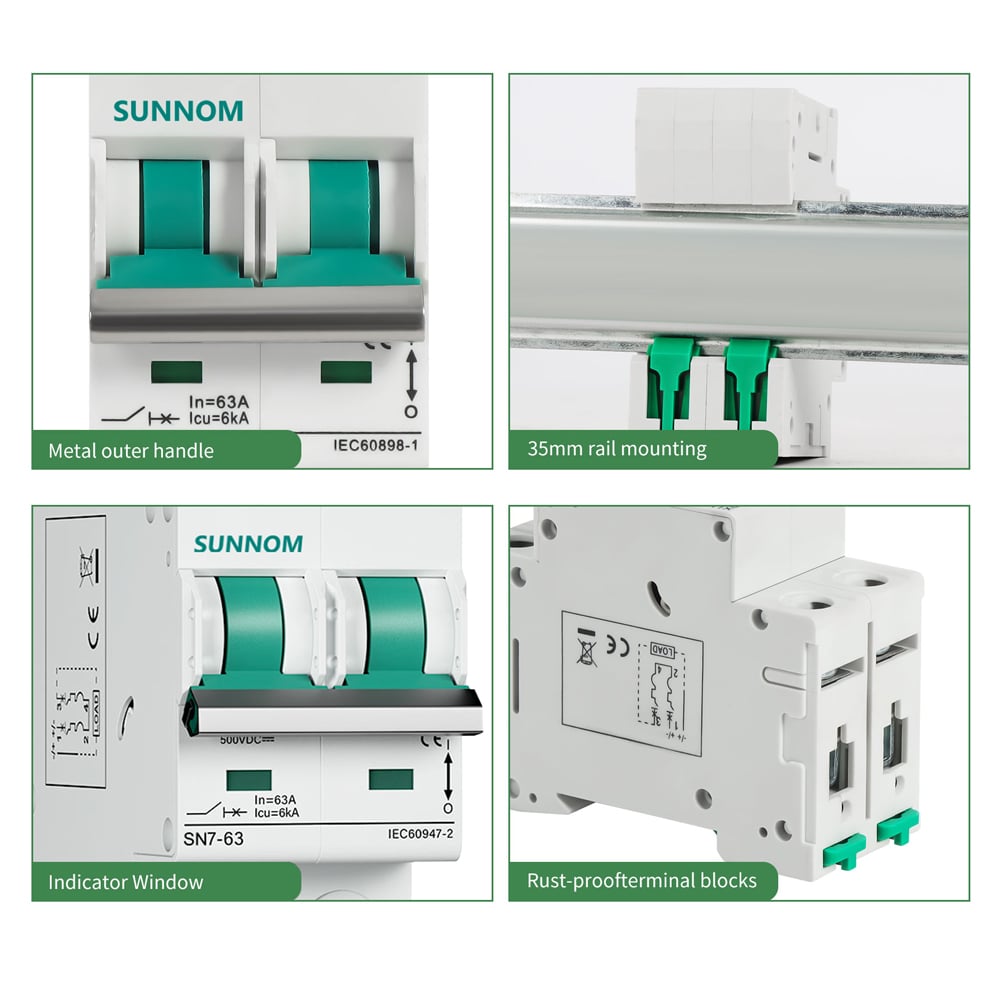
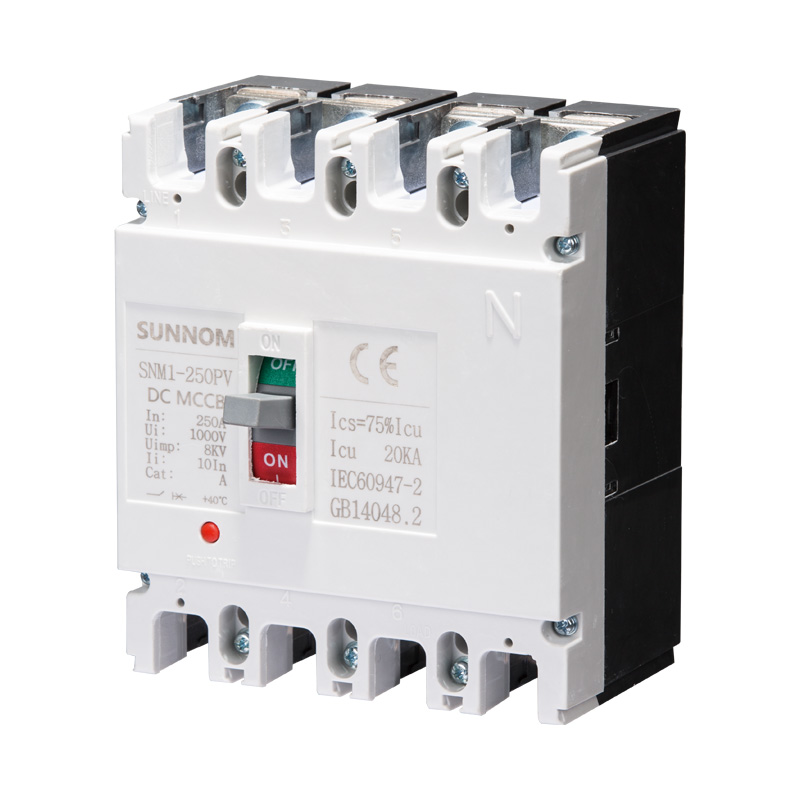
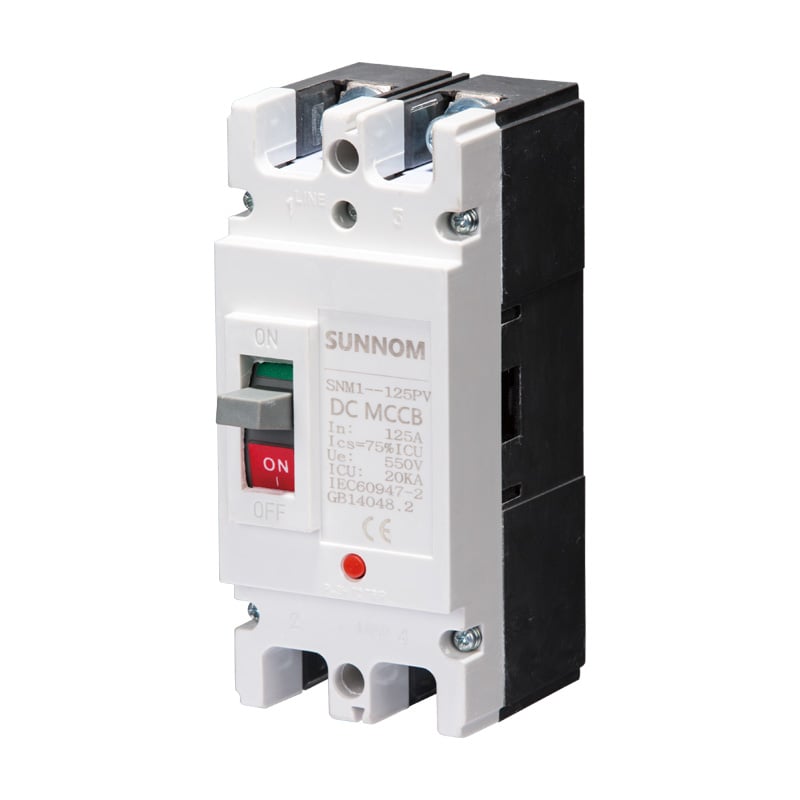
A DC MCCB for industrial use is a molded case circuit breaker specifically designed to protect direct current electrical systems in demanding industrial environments. Unlike standard AC circuit breakers, this specialized device handles the unique challenges of DC circuits, including arc suppression and voltage stability. The DC MCCB for industrial use provides essential protection against overcurrent, short circuits, and electrical faults that could damage expensive equipment or create safety hazards. These circuit breakers feature robust construction with high-grade materials that withstand harsh industrial conditions including temperature extremes, vibration, and dust exposure. Modern DC MCCB for industrial use incorporates advanced trip mechanisms with adjustable settings for both instantaneous and time-delay protection, allowing precise coordination with other protective devices. The breaking capacity ranges from several hundred to tens of thousands of amperes, making them suitable for various industrial power systems. Key technological features include arc chutes designed specifically for DC arc extinction, magnetic blow-out coils, and thermal-magnetic trip units that respond accurately to fault conditions. These breakers support renewable energy installations, battery storage systems, electric vehicle charging infrastructure, industrial motor controls, electroplating facilities, and railway power distribution. The DC MCCB for industrial use ensures reliable operation in mining operations, marine applications, telecommunications power systems, and manufacturing plants where DC power distribution is essential for operational continuity and worker safety.

 EN
EN