
 EN
EN


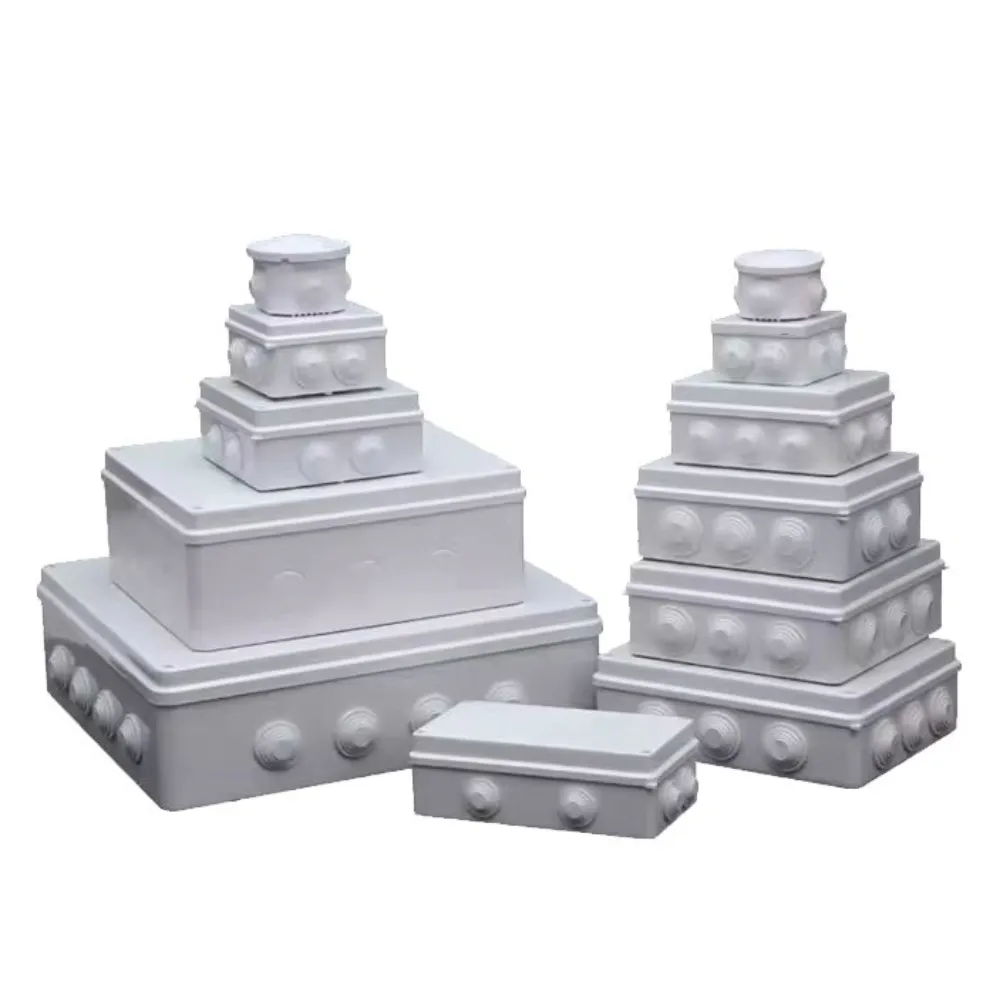
Electrical systems depend on secure, protected connections to function reliably across industrial, commercial, and residential environments. A plastic junction box serves as a critical protective enclosure that shields electrical connections from environmental hazards, accidental damage, and operational failures. Understanding how a plastic junction box works and why it matters helps engineers, maintenance teams, and facility managers make informed decisions about electrical system design and safety compliance.

A plastic junction box is far more than a simple container. It is an engineered protective system designed to isolate electrical connections from moisture, dust, chemicals, and physical impact. Modern industrial applications demand that a plastic junction box meet strict safety standards while remaining cost-effective and durable across diverse operating conditions.
Physical Barrier Protection in a Plastic Junction Box
Enclosure Design and Material Composition
The core protection mechanism of a plastic junction box lies in its robust enclosure design. The plastic material used in a high-quality plastic junction box is typically engineered thermoplastic or fiberglass-reinforced polymer, chosen for its durability, electrical insulation properties, and resistance to environmental stress. Unlike metal enclosures, a plastic junction box does not conduct electricity, adding an extra layer of safety by eliminating electrical conduction pathways through the enclosure itself. The walls of a plastic junction box are molded to withstand mechanical stress, vibration, and thermal cycling without cracking or degrading over time.
The structural integrity of a plastic junction box depends on wall thickness, material formulation, and design reinforcement. A properly engineered plastic junction box maintains dimensional stability across temperature extremes, from freezing outdoor conditions to high-heat industrial environments. The material composition of a plastic junction box also resists ultraviolet degradation when exposed to sunlight, a critical consideration for external installations.
Seal and Gasket Technology
Protection effectiveness in a plastic junction box heavily depends on its sealing systems. A plastic junction box uses elastomer gaskets and compression seals to create watertight barriers around cable entries and access points. These gaskets in a plastic junction box compress when the enclosure is closed, forming a continuous barrier that prevents moisture and dust ingress. The gasket material used in a plastic junction box is formulated to remain flexible across wide temperature ranges and resists degradation from oils, chemicals, and outdoor UV exposure. When installed correctly, a plastic junction box with proper gasket seating can achieve IP67 or higher rating, meaning the plastic junction box can be temporarily submerged without allowing water ingress.
Environmental and Chemical Protection Benefits
Moisture and Water Resistance
Water infiltration is one of the primary threats to electrical connections. A plastic junction box protects against moisture through multiple mechanisms: the sealed enclosure prevents liquid entry, drainage holes in the plastic junction box base allow any trapped condensation to escape, and the non-conductive plastic material of the plastic junction box does not corrode or conduct moisture-borne current paths. In humid or wet environments, the plastic junction box creates a dry microclimate around electrical terminals and connections. Installation of a plastic junction box in coastal environments, industrial facilities with washdown procedures, or outdoor power distribution points makes the plastic junction box essential for system longevity and safety.
Chemical and Corrosion Resistance
Industrial facilities often expose electrical equipment to harsh chemical environments including solvents, acids, alkaline solutions, and industrial lubricants. Unlike metal junction boxes that corrode, a plastic junction box resists chemical attack because the plastic material does not oxidize or degrade when exposed to most industrial chemicals. A plastic junction box maintains its structural integrity in food processing plants, chemical manufacturing facilities, pharmaceutical production areas, and agricultural settings where corrosive substances are present. The plastic junction box protects internal copper terminals and connectors from chemical degradation, extending equipment service life and reducing maintenance costs.
Mechanical Protection and Safety Features
Impact and Vibration Resistance
Mechanical stress from equipment vibration, accidental impacts, or installation in mobile or machinery-intensive environments can damage exposed electrical connections. A plastic junction box absorbs and isolates mechanical shocks, preventing connection loosening or physical damage to internal terminals. The flexible yet rigid engineering of a plastic junction box allows it to absorb vibration energy without transmitting shock directly to delicate wire connections inside the plastic junction box. Installation of a plastic junction box in manufacturing facilities, transportation hubs, or machinery rooms significantly reduces downtime caused by connection failures related to mechanical stress.
Electrical Safety and Hazard Mitigation
A plastic junction box provides essential electrical safety through arc containment, electrical isolation, and accidental contact prevention. Should an electrical arc occur inside the plastic junction box, the non-conductive plastic material contains the arc, preventing external electrocution hazards. The plastic junction box also limits access to live electrical terminals, protecting workers and preventing accidental contact with dangerous voltages. Proper grounding and bonding practices in conjunction with a certified plastic junction box ensure that the plastic junction box meets all relevant electrical codes and safety standards. The plastic junction box design often includes cable strain relief features that protect wires from sharp edges or excessive bending, preventing insulation damage and internal short circuits.
Installation and Maintenance Considerations
Proper Selection and Installation Standards
Selecting the correct plastic junction box depends on understanding the specific environmental conditions where the plastic junction box will be installed. Rating classifications for a plastic junction box include IP (Ingress Protection) ratings such as IP65, IP66, or IP67, which indicate the degree of protection a plastic junction box provides against dust and water entry. The voltage rating of a plastic junction box must match the circuit being protected, and the interior volume of the plastic junction box must accommodate all conductors and devices inside without exceeding fill ratios. Proper installation of a plastic junction box with all cable glands tight, gaskets seated correctly, and the plastic junction box mounted securely ensures maximum protective performance.
Long-Term Performance and Maintenance
Maintenance of a plastic junction box involves periodic inspection for signs of seal degradation, cracks, or discoloration indicating UV damage. A plastic junction box in demanding environments should be inspected annually to verify that gaskets remain pliable and that no moisture accumulation is occurring inside the plastic junction box. Replacement gaskets are readily available when aging occurs in a plastic junction box, allowing extension of the plastic junction box service life without complete enclosure replacement. The durability of a high-quality plastic junction box typically extends 15–25 years with proper maintenance, making the plastic junction box a cost-effective long-term investment in electrical system reliability.
FAQ
What rating should I choose for my plastic junction box installation?
The appropriate rating for a plastic junction box depends on your specific environment. For indoor dry locations, IP54 protection in a plastic junction box is typically sufficient. For outdoor, wet, or washdown environments, select a plastic junction box rated IP65 or higher. Marine or temporary submersion applications require a plastic junction box with IP67 or IP68 rating. Consult local electrical codes and your application conditions when selecting a plastic junction box rating.
How often should I inspect my plastic junction box?
A plastic junction box in standard indoor conditions should be inspected annually or after any known environmental stress event. In harsh environments such as coastal areas, chemical facilities, or high-vibration industrial settings, inspect your plastic junction box semi-annually or quarterly. Look for visible cracks, seal degradation, discoloration, or moisture accumulation inside the plastic junction box. Address any damage to the plastic junction box immediately to maintain protection integrity.
Can a plastic junction box replace a metal junction box in all applications?
A plastic junction box excels in many applications, but metal junction boxes may be required where electromagnetic shielding is necessary or where extreme heat exposure exceeds plastic material limits. A plastic junction box is ideal for most industrial, commercial, and residential applications due to its corrosion resistance, cost-effectiveness, and superior protection in moist or chemical environments. Evaluate your specific application requirements when deciding between a plastic junction box and metal alternatives.