
 EN
EN


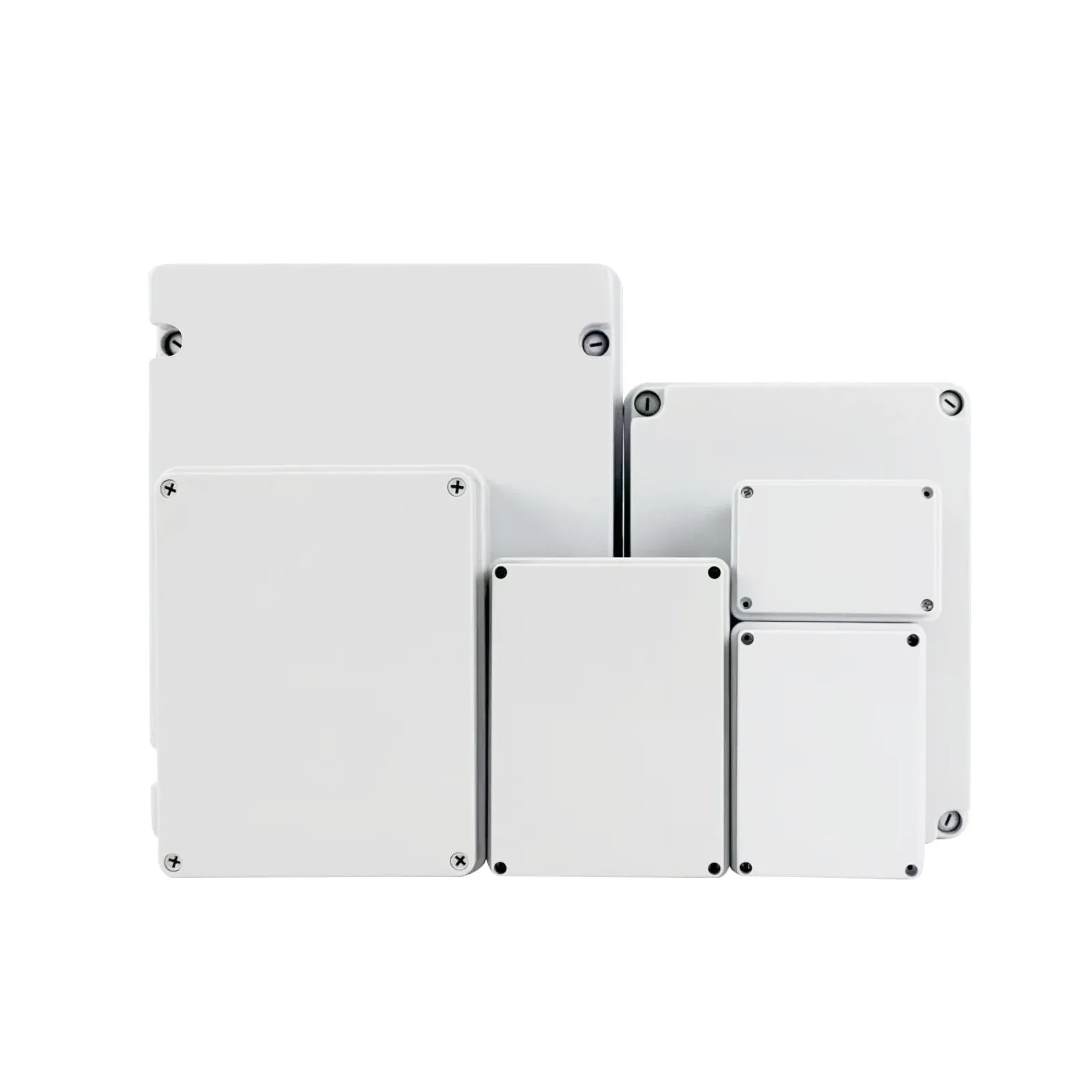
Outdoor electrical installations face constant exposure to moisture, temperature fluctuations, UV radiation, and physical stress. A plastic junction box serves as the protective foundation that shields electrical connections from these harsh environmental challenges. Without proper enclosure, exposed wiring and terminals deteriorate rapidly, leading to corrosion, short circuits, and safety hazards. Understanding why a plastic junction box is essential helps facility managers, installers, and engineers make informed decisions about infrastructure longevity and operational safety.
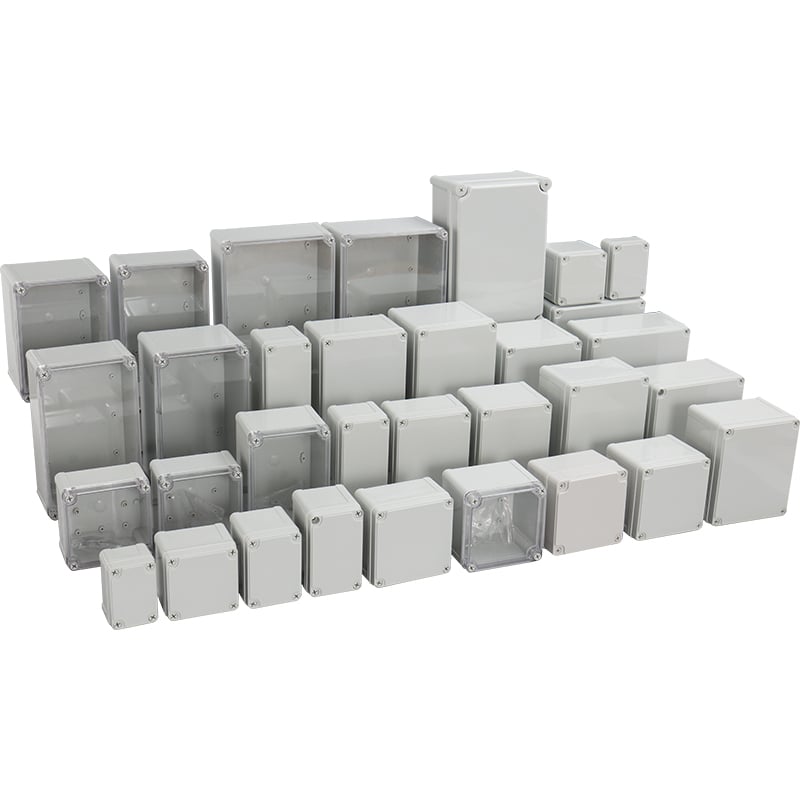
A plastic junction box delivers three core values: environmental protection, installation flexibility, and cost efficiency. These enclosures are specifically engineered to house electrical connections, terminal blocks, and power distribution points while maintaining accessibility for maintenance. The plastic material selection, combined with proper sealing and IP rating standards, ensures that a plastic junction box can withstand years of outdoor exposure without compromising electrical safety or system performance.
Environmental Protection and Material Durability
Moisture and Weather Resistance
Outdoor environments present relentless moisture exposure that degrades traditional metal enclosures through rust and corrosion. A plastic junction box eliminates this vulnerability because the material itself resists oxidation and does not require protective coatings that chip or wear away. High-quality plastic compounds used in modern junction boxes maintain structural integrity across temperature ranges from below freezing to intense heat, preventing brittleness or warping that could compromise the seal. This material stability ensures that a plastic junction box continues protecting internal components throughout its operational lifespan.
UV and Chemical Resistance
Sunlight degrades many materials through ultraviolet radiation, but engineered plastics in a plastic junction box include UV stabilizers that prevent discoloration and structural degradation. Industrial facilities, chemical plants, and coastal installations expose junction boxes to salt spray, acidic vapors, and petroleum-based chemicals that would quickly corrode metal alternatives. A plastic junction box resists these chemical attacks without requiring expensive surface treatments or replacement schedules. The inherent chemical compatibility of plastic materials makes them ideal for environments where metal enclosures would fail within months rather than years.
Electrical Safety and Compliance Standards
IP Rating Protection and Sealing Integrity
The IP (Ingress Protection) rating system defines how effectively a plastic junction box keeps water and solid particles out of electrical connections. An IP67-rated plastic junction box, for example, withstands temporary submersion and high-pressure water jets while maintaining complete electrical isolation. Gasket design, compression seals, and cable entry glands work together in a plastic junction box to create redundant barriers against moisture intrusion. This multi-layer protection approach is critical in applications near water sources, irrigation systems, marine installations, and areas prone to flooding or heavy rain exposure.
Electrical Safety and Fault Prevention
Wet conditions dramatically increase the risk of electrical faults, ground loops, and shock hazards when connections remain exposed. A plastic junction box isolates live components from operators and environmental moisture, reducing shock risk and preventing accidental contact with energized terminals. The enclosure design allows proper grounding and bonding of all metallic components inside, ensuring that a plastic junction box meets or exceeds electrical safety codes in most jurisdictions. Certification marks and test reports confirm that each plastic junction box model has been independently validated for compliance with relevant standards.
Installation Flexibility and Maintenance Accessibility
Mounting Versatility and Space Efficiency
A plastic junction box can be wall-mounted, pole-mounted, or embedded in concrete structures without the corrosion concerns that limit metal enclosure placement. The lightweight nature of plastic materials reduces installation labor and eliminates the need for special rust-resistant fasteners or protective finishes. Installers can quickly position a plastic junction box in tight spaces, on equipment frames, or in exposed outdoor locations without worrying about long-term environmental degradation at the installation point. This flexibility accelerates project timelines and reduces installation costs compared to heavier alternatives that demand structural reinforcement.
Maintenance Access and Component Replacement
The removable cover design of a plastic junction box allows technicians to access internal connections for testing, modification, or troubleshooting without disturbing the main installation. Quick-disconnect terminals, indexed layouts, and color-coded wiring spaces inside a plastic junction box speed up maintenance tasks and reduce errors during component replacement. Gasket replacement kits and seal maintenance protocols keep a plastic junction box performing at peak efficiency without requiring complete enclosure replacement. This modular approach to maintenance extends operational life and reduces total cost of ownership for facilities managing multiple outdoor electrical installations.
Real-World Application Scenarios
Industrial and Commercial Outdoor Installations
Manufacturing facilities often deploy a plastic junction box at the point where power distribution feeds outdoor equipment, lighting arrays, or process control systems. Solar installations rely heavily on plastic junction boxes to protect combiner panels, disconnect switches, and monitoring equipment from UV exposure and moisture. Telecommunications towers, renewable energy sites, and temporary event installations all benefit from the rapid deployment capabilities that a plastic junction box provides. These real-world deployments demonstrate that a plastic junction box has become the preferred choice across multiple industries because of its combination of durability, code compliance, and cost effectiveness.
Agricultural and Infrastructure Applications
Irrigation systems, outdoor lighting networks, and remote monitoring stations depend on a plastic junction box to keep electrical connections functional in wet, muddy, or corrosive soil environments. Agricultural equipment connections, grain facility controls, and livestock facility wiring all expose junction boxes to dust, ammonia, and extreme temperature cycling that plastic materials handle better than metals. Transportation infrastructure, parking facilities, and public utility installations protect their electrical distribution points with a plastic junction box because maintenance costs and replacement cycles remain predictable and manageable. The adaptability of a plastic junction box to these diverse environments proves its essential role in modern infrastructure resilience.
FAQ
Can a plastic junction box handle extreme temperature variations?
Yes, modern engineering-grade plastics in a plastic junction box maintain structural integrity across temperature ranges typically spanning from minus forty to plus eighty degrees Celsius. The material composition resists both embrittlement in cold conditions and warping or seal degradation in extreme heat. Manufacturers test a plastic junction box under rapid temperature cycling to ensure the gasket compression and dimensional stability remain reliable across seasonal variations and daily thermal cycles. This thermal performance makes a plastic junction box suitable for desert installations, arctic facilities, and any location experiencing wide temperature swings.
What maintenance does a plastic junction box require?
A plastic junction box requires minimal routine maintenance compared to metal alternatives, typically limited to occasional visual inspection, gasket cleaning, and environmental debris removal. Every two to three years, depending on environmental severity, the gasket seals in a plastic junction box should be inspected for compression set or minor degradation, with replacement kits available at reasonable cost. Checking cable entry seals, verifying grounding connections, and confirming that the cover sits flush on the gasket completes the maintenance cycle for a plastic junction box. Most facilities find that preventive maintenance on a plastic junction box costs significantly less than managing corrosion, replacement, or emergency repairs of traditional metal enclosures.
How does a plastic junction box compare to metal enclosures in cost?
The initial purchase price of a plastic junction box is often lower than comparable metal options, and this advantage increases when factoring in installation labor, surface treatment requirements, and replacement cycles. Metal enclosures demand corrosion protection coatings, specialty fasteners, and more frequent replacement in harsh outdoor environments, adding thousands to the total cost of ownership. A plastic junction box eliminates these hidden costs through inherent material durability and minimal maintenance requirements. Over a ten to fifteen year period, a plastic junction box typically delivers superior return on investment compared to metal alternatives that require ongoing upkeep and eventual replacement.