
 EN
EN


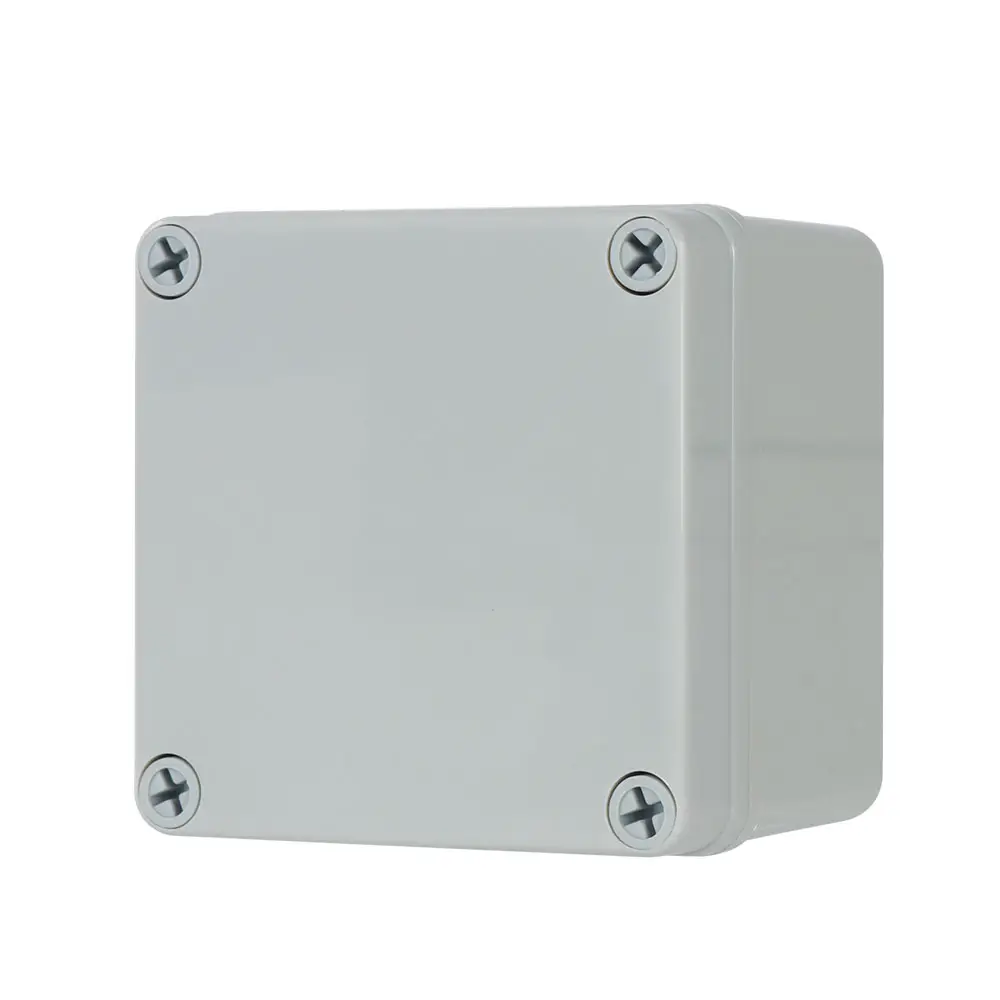
A Plastic Junction Box serves as a critical protective enclosure in countless industrial, commercial, and residential applications. These versatile containers house electrical connections, terminal blocks, and wiring components while shielding them from environmental hazards, physical damage, and unauthorized access. Understanding where a Plastic Junction Box is commonly deployed helps businesses select the right protection solution for their specific operational needs and environmental conditions.
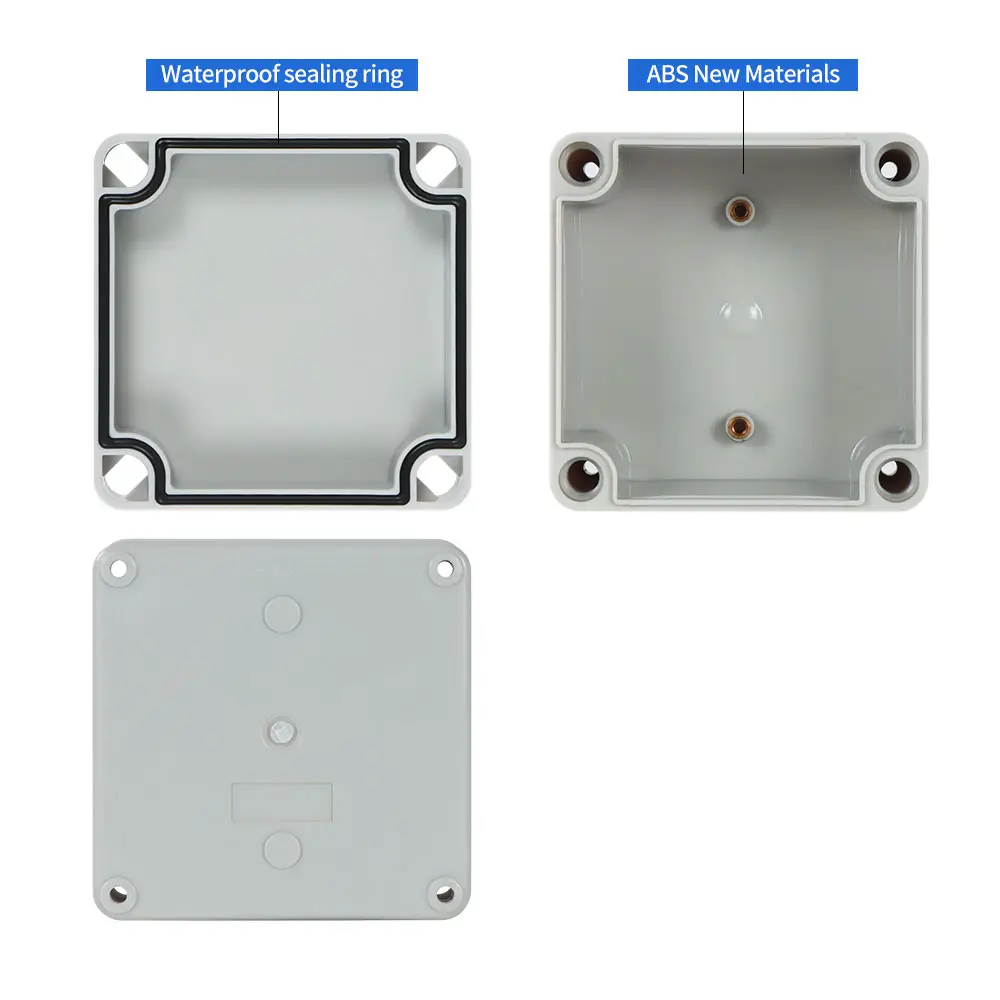
The demand for reliable Plastic Junction Box solutions continues to grow as industries expand outdoor infrastructure, renewable energy projects, and distributed electrical networks. Manufacturing plants, utility companies, telecommunications providers, and construction firms increasingly rely on high-quality Plastic Junction Box enclosures to maintain system integrity and regulatory compliance. This article explores the primary industries and applications where a Plastic Junction Box has become indispensable to modern operational success.
Electrical and Power Distribution Applications
Utility Infrastructure and Grid Systems
Utility companies and electrical grid operators depend on durable Plastic Junction Box installations to manage power distribution across extensive networks. A Plastic Junction Box provides secure housing for terminal connections, circuit breakers, and protective relay systems that control voltage regulation and fault detection. These enclosures must withstand extreme weather conditions, temperature fluctuations, and high-traffic industrial environments. The modular design of a Plastic Junction Box allows utility teams to scale installations quickly without disrupting ongoing power delivery to residential or commercial consumers.
Industrial Manufacturing and Processing Facilities
Manufacturing plants rely heavily on a Plastic Junction Box to consolidate electrical connections for machinery, motor control centers, and process automation systems. Inside production environments, a Plastic Junction Box protects wiring from oil splashes, chemical exposure, vibration damage, and accidental contact. Food processing facilities, chemical plants, and automotive manufacturers choose IP67-rated Plastic Junction Box models that deliver superior sealing against liquid ingress and dust infiltration. This protection ensures uninterrupted operations and minimizes costly equipment downtime caused by electrical failures.
Telecommunications and Data Infrastructure
Network Deployment and Cable Management
Telecommunications providers and data center operators utilize a Plastic Junction Box to organize fiber optic splitters, signal distribution equipment, and connection terminations across metropolitan networks. A Plastic Junction Box in these environments must meet strict fire-safety ratings and electromagnetic shielding standards to protect sensitive signaling equipment. Outdoor network cabinets commonly house multiple Plastic Junction Box compartments to separate power circuits, signal lines, and grounding conductors. The scalability and compact footprint of a Plastic Junction Box enable telecom engineers to add network nodes to existing infrastructure without requiring complete cabinet replacement.
5G and Wireless Infrastructure
5G base station deployment requires a Plastic Junction Box that withstands constant exposure to weather, temperature cycling, and electromagnetic radiation. Radio tower installations depend on weatherproof Plastic Junction Box enclosures to protect power distribution, antenna cabling, and backup battery systems. A Plastic Junction Box rated for outdoor use must provide superior UV resistance and corrosion protection to maintain performance over decades of continuous operation. Wireless network operators across urban, suburban, and remote areas increasingly standardize on durable Plastic Junction Box solutions to ensure consistent network reliability and reduce maintenance intervention costs.
Renewable Energy and Environmental Applications
Solar Panel Systems and Photovoltaic Arrays
Solar energy installations depend on robust Plastic Junction Box designs to protect DC circuit connections between photovoltaic modules and inverters. A Plastic Junction Box used in solar applications must resist intense UV exposure, thermal stress, and moisture infiltration while maintaining electrical safety standards. Commercial solar farms and residential rooftop systems employ Plastic Junction Box enclosures that consolidate multiple string connections and integrate monitoring sensors for performance optimization. The long service life required for solar infrastructure makes reliable Plastic Junction Box protection essential for protecting system longevity and ROI performance.
Wind Energy and Outdoor Power Equipment
Wind turbine installations rely on high-performance Plastic Junction Box enclosures to manage power conditioning equipment, control systems, and safety circuits at tower heights. A Plastic Junction Box positioned on wind farms must endure salt spray, extreme winds, temperature extremes, and high humidity conditions. Utility-scale wind projects implement weatherproof Plastic Junction Box solutions with enhanced structural rigidity and advanced sealing technologies. Distributed renewable energy systems increasingly deploy Plastic Junction Box components to create resilient, modular power networks that reduce grid dependency and improve regional energy security.
Transportation and Outdoor Infrastructure
Railway and Transit Systems
Railway operators and public transit authorities deploy Plastic Junction Box installations along tracks, platforms, and maintenance facilities to manage signaling, lighting, and power distribution circuits. A Plastic Junction Box in transit environments must withstand vibration from passing trains, moisture from rail bed drainage, and constant temperature fluctuations. Trackside Plastic Junction Box enclosures protect critical safety systems, grade crossing controls, and station lighting infrastructure from weather damage and vandalism. The standardized dimensions of industrial-grade Plastic Junction Box products enable rapid installation and maintenance procedures across extensive transit networks.
Highway and Street Lighting Networks
Highway departments and municipal authorities rely on Plastic Junction Box enclosures to manage street lighting circuits, traffic signals, and roadside equipment across thousands of kilometers of infrastructure. A Plastic Junction Box protecting outdoor lighting must resist UV degradation, moisture penetration, and mechanical impact from maintenance vehicles and weather events. Traffic signal control systems depend on sealed Plastic Junction Box protection to ensure year-round reliability and safe transportation corridors. Rural electrification projects and remote area infrastructure development increasingly adopt durable Plastic Junction Box solutions to reduce installation costs while maintaining long-term operational safety.
FAQ
What industries benefit most from using a Plastic Junction Box?
Industries that benefit most from a Plastic Junction Box include utilities, telecommunications, manufacturing, renewable energy, and transportation sectors. Any industry requiring outdoor electrical connections, harsh environment protection, or distributed power management can leverage the durability, cost-effectiveness, and installation flexibility of a Plastic Junction Box. Manufacturing facilities, chemical plants, solar farms, wind turbines, and rail systems consistently demonstrate measurable ROI from investing in high-quality Plastic Junction Box enclosures.
How does a Plastic Junction Box protect equipment in outdoor environments?
A Plastic Junction Box provides comprehensive protection through advanced sealing technologies, UV-resistant materials, and impact-resistant construction. The waterproof gaskets and sealed compartments of a Plastic Junction Box prevent moisture ingress that causes corrosion and electrical faults. Additionally, a Plastic Junction Box shields internal components from temperature extremes, chemical exposure, and physical damage while maintaining proper ventilation to prevent heat buildup. Industrial-grade Plastic Junction Box models often include grounding lugs, cable glands, and organized terminal strip configurations that simplify installation and troubleshooting.
Can a Plastic Junction Box be used in chemical or corrosive environments?
Yes, a Plastic Junction Box designed with chemical-resistant materials can perform reliably in corrosive environments including petrochemical facilities, food processing plants, and marine installations. Specialized Plastic Junction Box formulations resist saltwater exposure, industrial acids, alkalis, and petroleum products that would degrade metal enclosures. Material selection and surface treatment of a Plastic Junction Box determine its suitability for specific chemical applications. Organizations operating in harsh chemical environments should consult material specifications and certification documentation to confirm that a chosen Plastic Junction Box model meets their environmental exposure requirements.