
 EN
EN


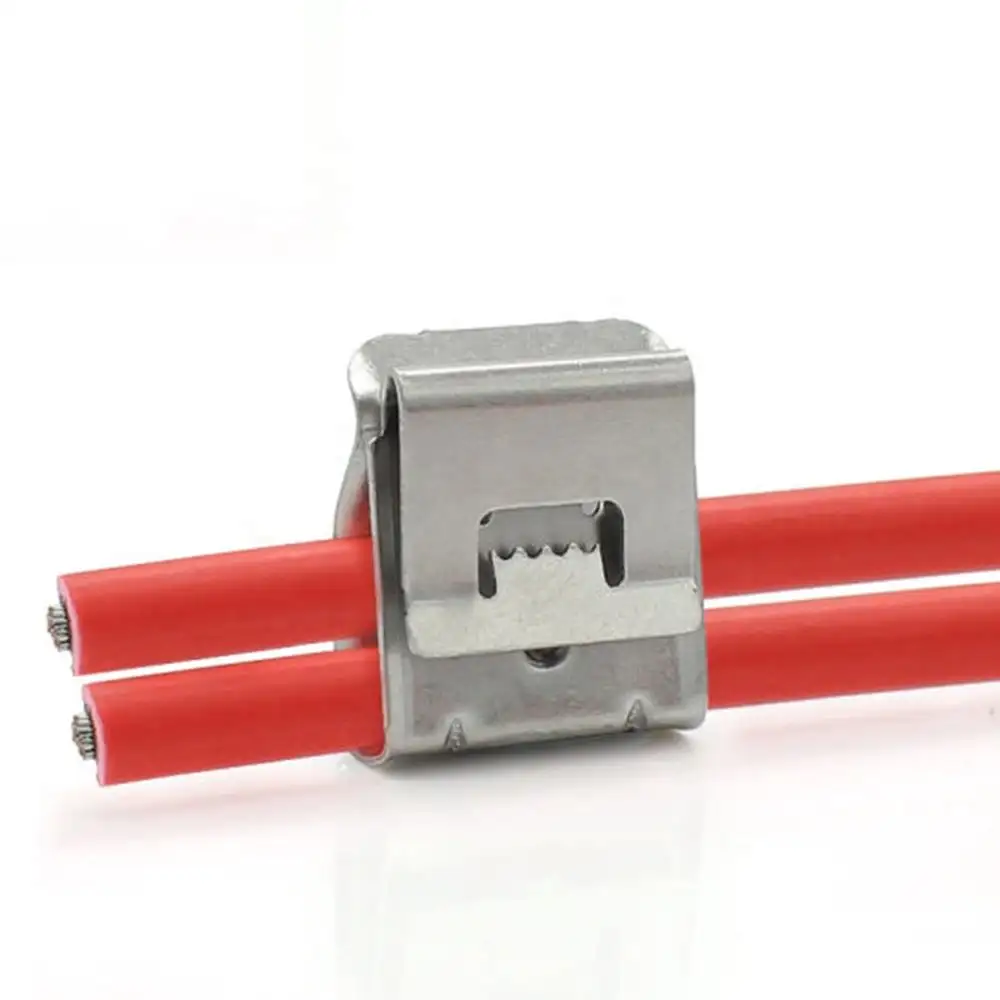
In photovoltaic installations, effective cable management is not just a detail—it is a critical component of system performance, safety, and longevity. The solar cable clip plays an indispensable role in organizing, securing, and protecting the extensive network of electrical cables that connect solar panels to inverters and beyond. Without proper cable support and organization, solar installations face risks including mechanical damage, electrical failures, reduced efficiency, and potential safety hazards. Understanding why a solar cable clip matters is essential for anyone involved in designing, installing, or maintaining PV systems.
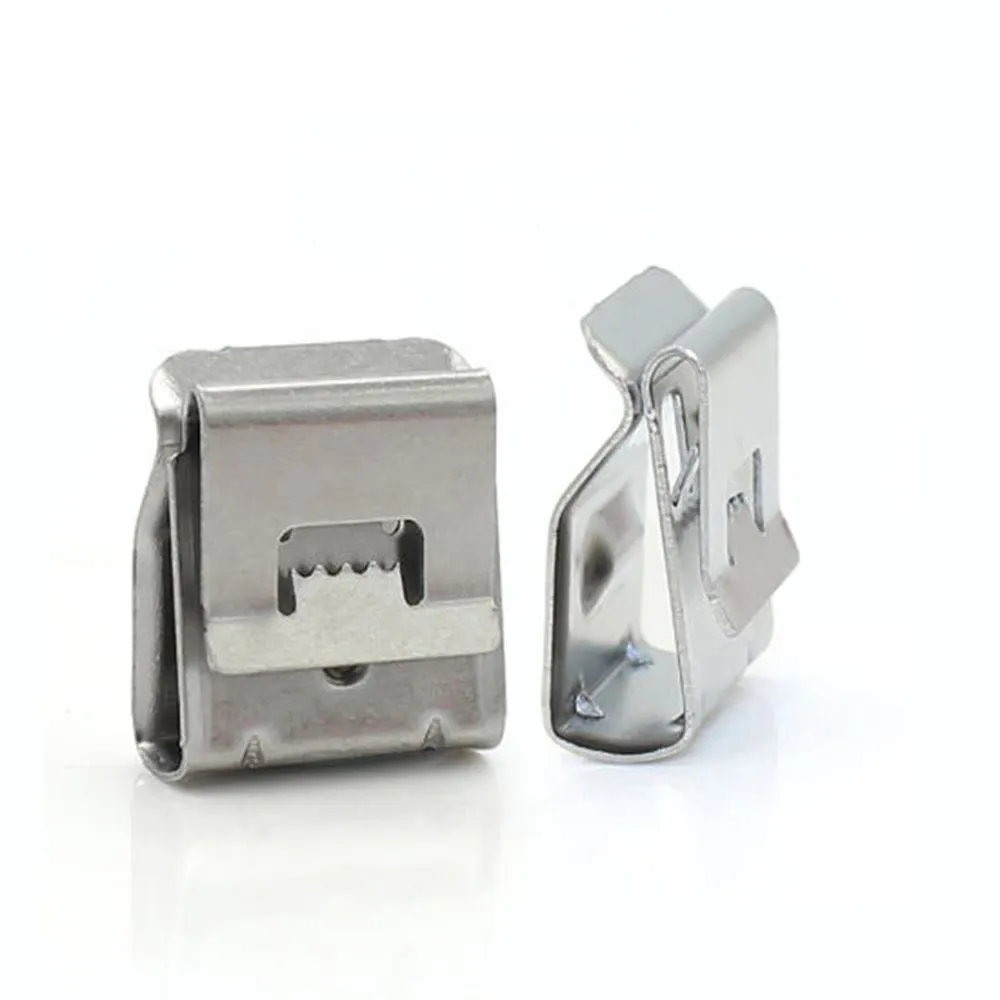
A solar cable clip is a specialized fastening device designed to secure and route electrical cables in photovoltaic systems. These clips hold cables in fixed positions along mounting structures, preventing sagging, tangling, and unwanted movement that could lead to insulation damage or connection failures. The importance of using quality solar cable clip solutions extends beyond basic organization—it directly impacts system reliability, maintenance efficiency, and operational safety throughout the installation's lifecycle.
Mechanical Protection and Cable Integrity
Preventing Physical Damage and Cable Stress
PV installations expose cables to numerous environmental challenges, including UV radiation, temperature fluctuations, wind pressure, and moisture exposure. Without proper support, cables can flex excessively, rub against sharp edges, or bend beyond safe angles, accelerating insulation degradation and creating short-circuit risks. A quality solar cable clip maintains cables in optimal positions, reducing mechanical stress and preventing the repetitive motion that weakens wire integrity over time. By distributing cable weight evenly and eliminating excessive loops or slack, the solar cable clip ensures cables maintain their structural integrity throughout their operational lifespan.
Protecting Against Environmental Degradation
Environmental factors constantly threaten cable longevity in outdoor solar applications. Ultraviolet rays penetrate cable jackets, thermal cycling causes expansion and contraction, and moisture can infiltrate compromised insulation. A well-designed solar cable clip does more than secure cables—it helps position them away from direct sun exposure where possible and prevents water pooling or condensation accumulation. By maintaining proper cable routing and separation, the solar cable clip reduces the surface area exposed to harmful elements and minimizes contact with surfaces that might accelerate degradation. This protective function directly extends cable lifespan and maintains consistent electrical performance.
Electrical Safety and System Reliability
Ensuring Proper Grounding and Current Flow
Electrical safety in solar installations depends on maintaining proper cable routing and preventing unintended contact between conductors or between cables and conductive surfaces. The solar cable clip secures cables in paths that maintain required separation distances, preventing cross-contamination of DC and AC circuits and ensuring proper grounding integrity. Improper cable placement caused by inadequate support can lead to voltage drop, increased resistance, and potential arcing or short-circuit conditions. By holding cables in precisely engineered positions, the solar cable clip ensures current flows safely through intended pathways while minimizing electromagnetic interference and maintaining system efficiency.
Meeting Installation Standards and Compliance
Building codes, electrical standards, and solar installation guidelines require cables to be properly secured, labeled, and routed according to specific protocols. The solar cable clip is a fundamental tool for achieving compliance with these regulations. Installation inspectors verify that cables are adequately supported at maximum intervals specified by standards like NEC Article 320 and IEC 61173. Using appropriate solar cable clip products demonstrates professional installation practice, simplifies inspection processes, and provides documentation of compliance. Regulatory compliance protects system owners from liability while ensuring installations meet safety benchmarks established by industry experts.
Operational Efficiency and Maintenance Benefits
Simplifying Installation and Future Maintenance
A well-organized cable system using quality solar cable clip solutions dramatically reduces installation time and complexity. Clear cable routing allows technicians to quickly identify individual circuits, trace connections, and diagnose issues efficiently. When maintenance or repairs become necessary, organized cables supported by proper solar cable clip systems are far easier to access, inspect, and service without disrupting adjacent components. This organized approach reduces labor costs during both initial installation and ongoing maintenance operations, providing significant economic value over the system's lifetime.
Maximizing System Performance and Minimizing Losses
Cable resistance directly impacts energy transmission efficiency in PV systems. Poor cable management practices can cause cables to bend at angles exceeding safe limits, increasing resistance and causing voltage drop. The solar cable clip maintains cables in straight, efficient paths that minimize resistance and voltage loss. Cables held securely in optimal positions experience lower impedance and transmit power more efficiently to inverters and electrical equipment. Over the 25+ year lifespan of a solar installation, this improved efficiency compounds into measurable energy production gains and enhanced return on investment for system owners.
Long-Term Durability and Investment Protection
Solar installations represent substantial capital investments designed to operate reliably for two to three decades. The solar cable clip is a modest component whose function proves critical to protecting that investment. By preventing cable damage, ensuring proper electrical connections, maintaining system accessibility, and simplifying maintenance workflows, quality solar cable clip solutions safeguard the entire system's performance potential. The minimal cost of implementing proper solar cable clip systems is offset many times over by avoided failures, extended component lifespan, and sustained energy production efficiency.
Professional installation standards and years of field experience confirm that attention to cable management detail directly correlates with system reliability and longevity. The solar cable clip represents a fundamental best practice in PV installation methodology. Whether designing residential rooftop systems, large commercial arrays, or utility-scale installations, including proper solar cable clip solutions ensures cables remain protected, organized, and functional throughout the system's operational lifetime.
FAQ
What materials should a quality solar cable clip be made from?
High-quality solar cable clip products are typically manufactured from UV-resistant polymers, stainless steel, or specialized composites designed to withstand outdoor environmental exposure. The solar cable clip material must resist UV degradation, temperature cycling, and moisture infiltration while maintaining mechanical strength to securely hold cables under tension and thermal stress.
How often should cables secured with solar cable clips be inspected?
Annual inspections are recommended for solar cable clip installations, particularly in harsh climates or after severe weather events. These inspections verify that the solar cable clip hardware remains secure, cables show no signs of damage or sagging, and connections maintain proper alignment and separation distances required by electrical standards.
Can a solar cable clip be reused or adjusted during system modifications?
Most quality solar cable clip designs allow removal and repositioning, making them suitable for system modifications, expansions, or maintenance procedures. However, the solar cable clip should be inspected for cracks or damage after removal and replaced if necessary to maintain secure cable support and prevent potential safety issues.