
 EN
EN


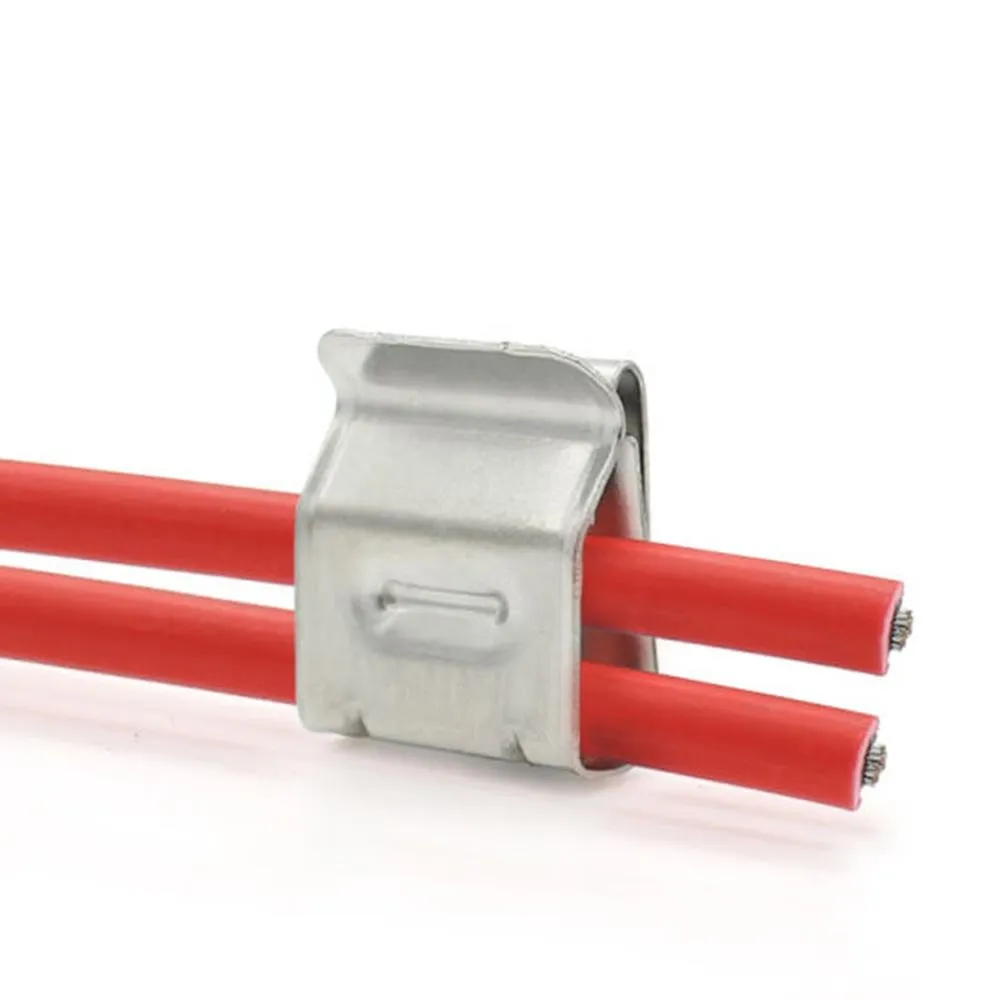
A solar cable clip is a specialized fastening device designed to secure and protect electrical cables in photovoltaic installations. By holding cables in fixed positions, a solar cable clip prevents movement, friction, and exposure to environmental stressors that can degrade cable insulation and reduce service life. Understanding how a solar cable clip contributes to cable longevity is essential for system designers, installers, and maintenance professionals seeking to maximize the return on investment in solar energy systems.
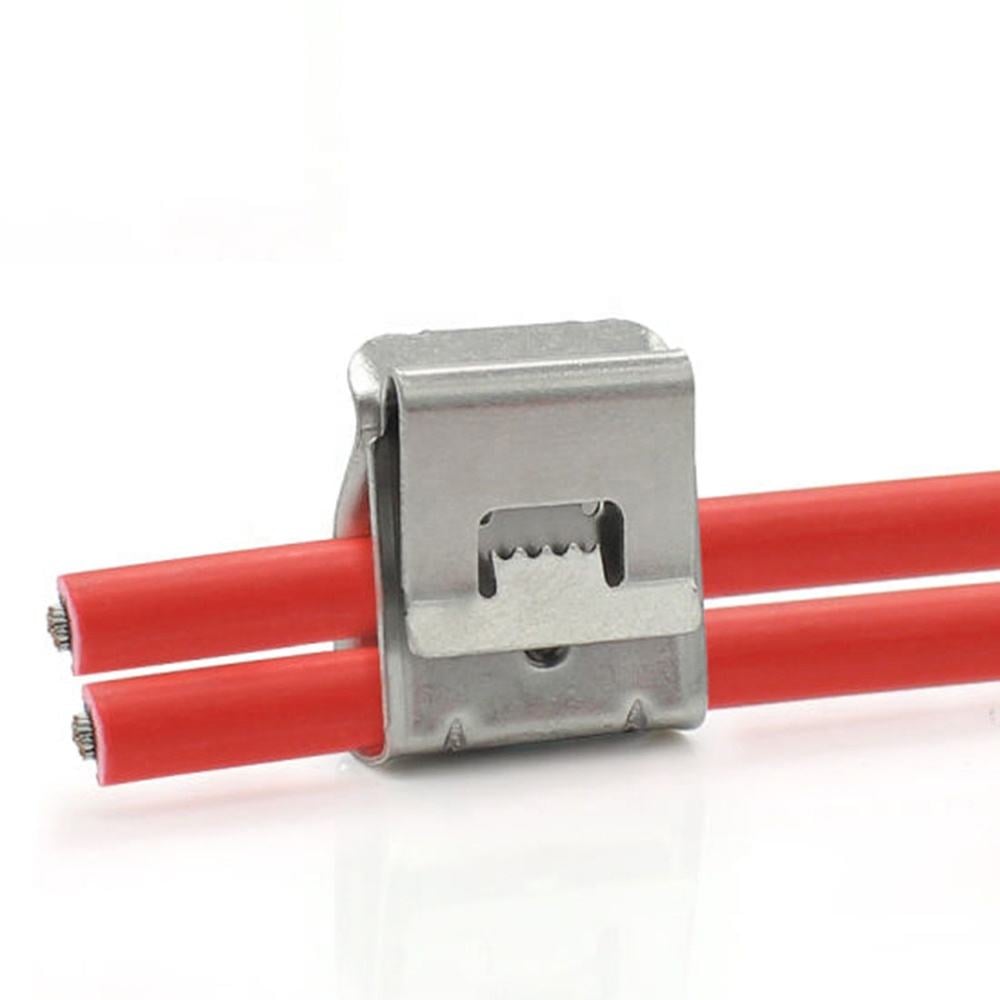
Cable degradation is a primary concern in solar installations because cables are continuously exposed to sunlight, temperature fluctuations, mechanical stress, and weather elements. A properly applied solar cable clip anchors cables securely, eliminating slack and vibration that accelerate wear. This foundational protection mechanism directly translates into extended cable service life, reduced maintenance costs, and improved system reliability over the project lifetime.
How a Solar Cable Clip Prevents Cable Damage
Eliminating Mechanical Stress and Movement
Unsecured cables in solar arrays experience constant micro-movements caused by wind, thermal expansion, and installation vibrations. Each movement creates friction against mounting surfaces, conduit edges, and connector housings, gradually wearing through the outer insulation. A solar cable clip holds cables firmly in place, eliminating this repetitive mechanical damage. By controlling cable position and reducing strain at connection points, a solar cable clip significantly decreases the rate of insulation degradation and extends the functional lifespan of the entire conductor assembly.
Protecting Against UV and Environmental Exposure
Solar installations operate outdoors where ultraviolet radiation, moisture, temperature cycling, and airborne contaminants pose ongoing threats to cable integrity. A solar cable clip maintains cables in optimal routing positions that minimize direct UV exposure where possible and ensure proper drainage of water. Additionally, by keeping cables organized and elevated above ground surfaces, a solar cable clip reduces contact with moisture, dirt, and corrosive materials that would otherwise accelerate breakdown of the cable jacket and conductor insulation. This environmental protection is fundamental to achieving the full 25+ year service life expected from modern solar systems.
Key Mechanisms for Extending Cable Service Life
Thermal Management and Heat Dissipation
Heat buildup inside cables directly reduces insulation lifespan; for every 10 degrees Celsius increase in conductor temperature, insulation aging accelerates exponentially. A solar cable clip secures cables along optimal routing paths where air circulation is maximized, allowing thermal energy to dissipate naturally rather than accumulating in coiled or bunched sections. Proper spacing maintained by a solar cable clip also prevents adjacent cables from radiating heat to one another, keeping individual conductor temperatures within design specifications. This thermal management benefit alone can extend cable service life by several years compared to improperly routed or unsupported cable runs.
Preventing Connector Stress and Fatigue
Connection points between cables and inverters, combiners, or junction boxes experience the highest mechanical and electrical stress in a solar system. When cables are not secured with a solar cable clip, the weight and movement of unsupported cable lengths create constant tugging forces at connector terminals, leading to micro-fractures in solder joints, loose crimp connections, and accelerated corrosion at contact interfaces. A solar cable clip anchors cables close to connection points, distributing stress across the cable jacket rather than concentrating it at vulnerable terminals. This protection significantly extends the service life of both the cable and the connected equipment.
Installation and Best Practices for Maximum Cable Life
Proper Spacing and Routing Configuration
The effectiveness of a solar cable clip depends on correct installation spacing, typically every 12 to 18 inches along cable runs, according to electrical code standards and manufacturer specifications. Clips must be positioned to support cables at consistent intervals without creating sharp bends or kinks that concentrate stress at individual points. When installed correctly, a solar cable clip creates a uniform support structure that evenly distributes the cable weight and environmental loads across multiple anchor points. This uniform distribution is critical to achieving maximum extension of cable service life because it eliminates the localized weak points where premature failure would otherwise occur.
Material Selection and Corrosion Resistance
A solar cable clip must be manufactured from materials compatible with outdoor exposure and chemically compatible with the cable jacket material. Stainless steel or UV-resistant polymer solar cable clips prevent corrosion and degradation at the clip itself, which would otherwise transfer corrosive particles to the adjacent cable. Using a solar cable clip with appropriate UV stabilization ensures that the fastening device does not become a source of stress or chemical damage to the cable it is meant to protect. This material compatibility ensures that both the clip and the cable maintain structural integrity throughout their service life.
FAQ
How often should a solar cable clip inspection occur?
Annual inspections of every solar cable clip in the system are recommended as part of routine maintenance. During inspection, technicians should verify that clips remain tight, show no signs of corrosion or damage, and maintain proper cable spacing. Any loose, corroded, or damaged solar cable clips should be replaced immediately to restore protection and ensure continued extension of cable service life throughout the system lifecycle.
Can a single solar cable clip protect multiple cables?
While some multi-cable versions of a solar cable clip exist, best practice is to use individual clips for each cable run to ensure optimal support and prevent cross-stress between adjacent conductors. When multiple cables must pass through the same routed area, multiple solar cable clip units positioned sequentially provide superior protection and more even distribution of mechanical loads, resulting in better extension of cable service life for all conductors.
What is the cost-benefit ratio of investing in quality solar cable clips?
The cost of high-quality solar cable clips is negligible compared to the expense of replacing damaged cables or repairing system failures caused by cable degradation. By extending cable service life from a potential 15 years of unreliable operation to a full 25+ years of consistent performance, a solar cable clip delivers significant return on investment through reduced downtime, lower maintenance costs, and improved system reliability and energy production over the entire project lifetime.