
 EN
EN




Direct current electrical systems rely heavily on protective devices to ensure safe and reliable operation across various industrial applications. DC fuses serve as critical safety components that protect circuits from overcurrent conditions, preventing equipment damage and potential hazards. Understanding proper maintenance and replacement procedures for these essential components is fundamental for maintaining optimal system performance and extending equipment lifespan.
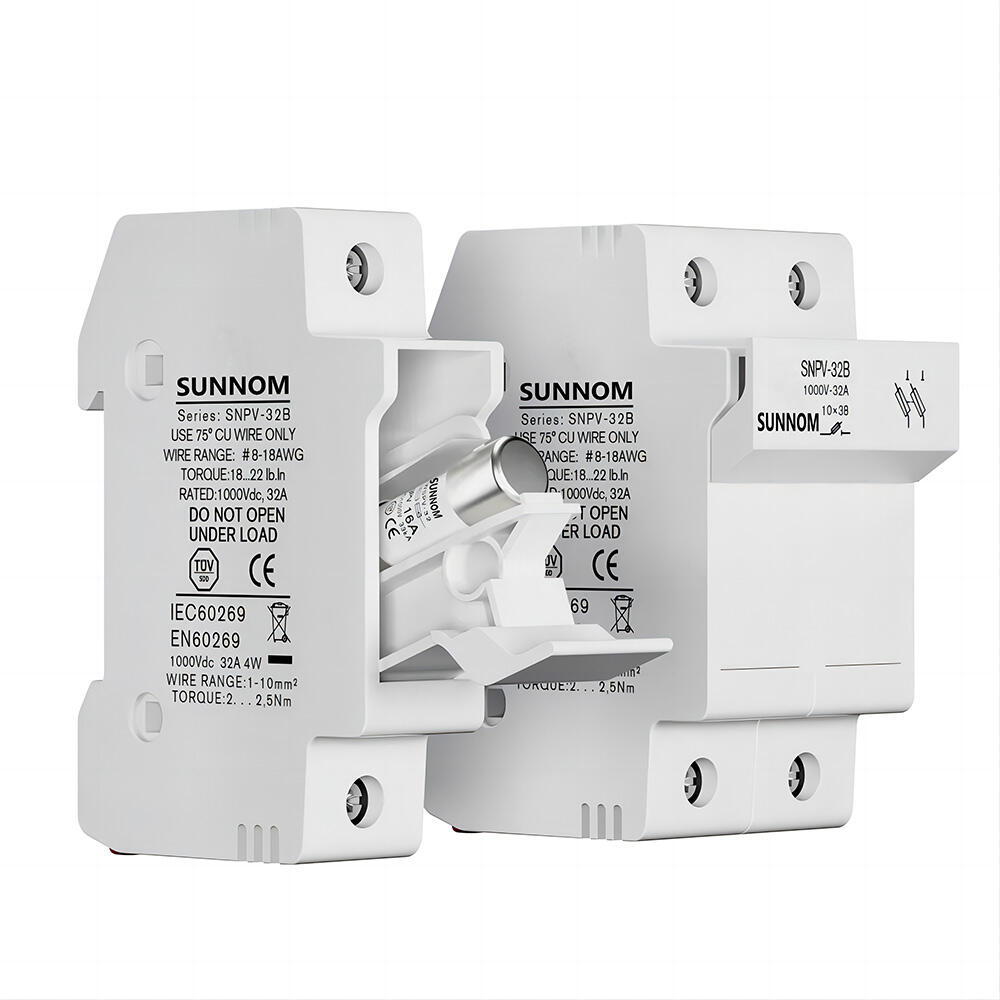
Understanding DC Fuse Fundamentals
Core Components and Design Principles
DC fuses differ significantly from their alternating current counterparts due to the unique characteristics of direct current systems. The fundamental design of DC fuses incorporates specialized arc extinction mechanisms that handle the continuous current flow without zero-crossing points. These protective devices contain fusible elements made from materials like silver, copper, or zinc that melt when excessive current flows through the circuit.
The housing construction of DC fuses typically features ceramic or glass bodies that can withstand high temperatures and provide excellent insulation properties. Internal arc extinction chambers filled with sand or other materials help quench the arc that forms when the fuse operates. Modern DC fuses incorporate advanced materials and engineering techniques to ensure reliable operation under demanding conditions while maintaining precise current ratings and response times.
Operational Characteristics and Performance Parameters
DC fuses operate based on the principle of thermal protection, where the fusible element heats up proportionally to the current flowing through it. When overcurrent conditions occur, the element reaches its melting point and creates an open circuit, effectively isolating the protected equipment from potential damage. The time-current characteristics of DC fuses are carefully engineered to provide selective protection while allowing normal operational transients.
Voltage ratings for DC fuses must accommodate the specific requirements of direct current systems, often ranging from low voltage applications up to 1500V or higher. Current ratings are selected based on the protected circuit requirements, with considerations for ambient temperature, mounting conditions, and derating factors. The interrupting capacity represents the maximum fault current that the fuse can safely clear without causing system damage or safety hazards.
Maintenance Best Practices for DC Fuses
Routine Inspection Procedures
Implementing systematic inspection schedules ensures early detection of potential issues with DC fuses before they lead to unexpected failures or safety concerns. Visual inspections should focus on identifying signs of overheating, such as discoloration of the fuse body, melting of mounting hardware, or carbonization around connection points. Regular thermal imaging surveys can reveal hot spots that indicate loose connections or internal degradation of the fuse elements.
Connection integrity plays a crucial role in DC fuse performance, as poor connections can create additional resistance and heat generation. Inspection procedures should include checking torque specifications on all mounting hardware, examining contact surfaces for corrosion or pitting, and verifying proper alignment of fuse holders. Environmental factors such as moisture, dust, and chemical contaminants can significantly impact fuse reliability and should be assessed during routine maintenance activities.
Performance Testing and Monitoring
Comprehensive testing protocols help evaluate the ongoing performance of DC fuses and identify units that may be approaching end-of-life conditions. Resistance measurements across fuse terminals can reveal internal degradation or connection issues that might not be visible during visual inspections. Insulation resistance testing ensures that the fuse housing maintains proper dielectric properties and prevents unwanted current leakage paths.
Monitoring systems can provide valuable data about the operating conditions and stress levels experienced by DC fuses throughout their service life. Current monitoring helps identify gradual increases in load that might exceed fuse ratings, while temperature monitoring can detect thermal stress conditions. Advanced monitoring systems can track cumulative stress factors and provide predictive maintenance recommendations based on actual operating conditions rather than arbitrary time-based schedules.
Strategic Replacement Planning
Determining Replacement Timing
Establishing appropriate replacement intervals for DC fuses requires careful consideration of multiple factors including operating environment, load characteristics, and criticality of protected equipment. Age-based replacement strategies may be suitable for some applications, but condition-based approaches often provide more cost-effective results while maintaining high reliability levels. Historical failure data and manufacturer recommendations should inform replacement decision-making processes.
Load analysis helps determine whether existing DC fuses remain appropriately sized for current system requirements or if upgrades are necessary to accommodate changing operational demands. System modifications, equipment additions, or changes in operational procedures may necessitate reevaluation of fuse specifications to ensure continued protection effectiveness. Regular load studies can identify trends that indicate the need for proactive fuse replacement or specification changes.
Specification Selection and Procurement
Selecting appropriate replacement DC fuses requires thorough understanding of system requirements and available product options. Voltage ratings must meet or exceed system operating voltages with appropriate safety margins, while current ratings should be carefully matched to protect downstream equipment without causing nuisance operations during normal transients. DC fuses with higher voltage ratings often provide enhanced safety margins and future system expansion capabilities.
Interrupting capacity specifications must align with available fault current levels in the electrical system to ensure safe fault clearing capability. Physical dimensions and mounting configurations should match existing installations to minimize installation complexity and costs. Quality certifications and compliance with relevant standards ensure that replacement DC fuses meet safety and performance requirements for specific applications and regulatory environments.
Installation and Commissioning Procedures
Safe Installation Practices
Proper installation procedures for DC fuses begin with comprehensive system shutdown and verification of de-energized conditions using appropriate lockout/tagout procedures. Electrical testing should confirm zero energy states before beginning any maintenance activities, and appropriate personal protective equipment must be used throughout the installation process. Installation environments should be clean and dry to prevent contamination of new fuse components.
Torque specifications provided by manufacturers must be followed precisely to ensure proper electrical connections without over-tightening that could damage components or under-tightening that creates high-resistance connections. Connection surfaces should be cleaned and treated with appropriate contact compounds when specified by manufacturers. Proper alignment of DC fuses within their holders prevents mechanical stress and ensures reliable electrical contact throughout the service life.
Post-Installation Verification
Comprehensive testing following DC fuse installation validates proper installation and system readiness for return to service. Continuity testing confirms proper electrical connections and absence of open circuits in the protective system. Insulation testing verifies that new fuses maintain proper dielectric properties and do not create unwanted current paths between system components.
Functional testing under controlled conditions can validate that newly installed DC fuses operate correctly and provide expected protection levels. Initial thermal surveys help establish baseline operating temperatures and identify any installation issues that might cause premature failures or reduced performance. Documentation of installation details, test results, and commissioning activities supports ongoing maintenance planning and troubleshooting activities.
Troubleshooting Common Issues
Identifying Premature Failure Causes
Premature failure of DC fuses often results from application issues rather than manufacturing defects, making proper root cause analysis essential for preventing recurring problems. Undersized fuses may operate correctly under normal conditions but fail prematurely when subjected to normal system transients or slight overloads. Oversized DC fuses may not provide adequate protection for downstream equipment and could allow damage to occur before operating.
Environmental factors such as excessive ambient temperatures, vibration, or corrosive atmospheres can significantly reduce fuse service life and reliability. Installation issues including poor connections, mechanical stress, or contamination during installation often lead to early failures that could be prevented through improved installation practices. Load analysis may reveal that system changes have created operating conditions beyond the original design parameters of existing DC fuses.
System Integration Considerations
Coordination between multiple levels of protection requires careful analysis to ensure that DC fuses operate selectively and do not cause unnecessary system disruptions. Time-current characteristics of fuses must be properly coordinated with other protective devices to achieve desired selectivity while maintaining adequate protection levels. Changes to system configuration or protection schemes may require reevaluation of existing fuse specifications and coordination studies.
Power quality issues such as harmonic distortion or voltage fluctuations can affect the performance and longevity of DC fuses in ways that may not be immediately apparent. Monitoring and analysis of power quality parameters help identify conditions that might contribute to premature fuse failures or reduced protection effectiveness. Integration with modern monitoring and control systems provides opportunities for enhanced protection and diagnostic capabilities beyond traditional fuse protection alone.
Advanced Technologies and Future Trends
Smart Fuse Technologies
Emerging smart fuse technologies incorporate sensors and communication capabilities that provide real-time monitoring and diagnostic information about DC fuse condition and performance. These advanced systems can track cumulative stress factors, operating temperature, and current levels to provide predictive maintenance recommendations and early warning of potential failures. Integration with plant-wide monitoring systems enables centralized management of protection systems and coordinated maintenance planning.
Digital communication protocols allow smart DC fuses to report status information and diagnostic data to control systems and maintenance management platforms. Advanced algorithms can analyze operating patterns and identify trends that indicate degrading performance or inappropriate application conditions. Remote monitoring capabilities reduce the need for manual inspections while providing more comprehensive information about fuse condition and system performance.
Material and Design Innovations
Ongoing research and development in fuse materials and design continues to improve the performance, reliability, and safety of DC fuses across various applications. Advanced arc extinction technologies enable higher interrupting capacities in more compact designs, while improved fusible element materials provide more precise and repeatable operating characteristics. Environmental considerations drive development of more sustainable materials and manufacturing processes for DC fuses.
Nanotechnology applications in fuse design offer potential improvements in thermal management, arc extinction, and overall performance characteristics. Advanced modeling and simulation tools enable more precise design optimization and better understanding of complex arc extinction phenomena in DC applications. These innovations continue to expand the capabilities and applications of DC fuses in demanding industrial and renewable energy applications.
FAQ
How often should DC fuses be inspected for maintenance purposes
The frequency of DC fuse inspections depends on several factors including operating environment, criticality of protected equipment, and manufacturer recommendations. Generally, visual inspections should be performed quarterly in normal environments, with more frequent inspections in harsh conditions. Annual comprehensive inspections including thermal imaging and electrical testing provide thorough assessment of fuse condition and system performance. Critical applications may warrant monthly inspections to ensure maximum reliability and early detection of potential issues.
What are the key indicators that DC fuses need immediate replacement
Several warning signs indicate that DC fuses require immediate replacement to maintain system safety and reliability. Visual signs include discoloration of the fuse body, signs of overheating on mounting hardware, or any visible cracks in the fuse housing. Electrical indicators include increased resistance measurements, insulation degradation, or evidence of arcing around connection points. Any fuse that has operated during a fault condition should be replaced immediately, even if it appears visually intact, as internal damage may have occurred that compromises future performance.
Can DC fuses be used interchangeably with AC fuses in electrical systems
DC fuses and AC fuses are not interchangeable due to fundamental differences in their design and operating characteristics. DC systems lack the natural current zero-crossing points that assist arc extinction in AC applications, requiring DC fuses to incorporate specialized arc extinction mechanisms. The voltage ratings and interrupting capacities are also specified differently for DC applications. Using AC fuses in DC circuits can result in dangerous conditions including failure to clear faults properly, while using DC fuses in AC circuits may provide adequate protection but represents unnecessary cost and potentially reduced performance.
What safety precautions should be taken when replacing DC fuses
Safety procedures for DC fuse replacement must include comprehensive lockout/tagout procedures to ensure complete de-energization of the system before beginning work. Appropriate personal protective equipment including insulated gloves, safety glasses, and arc-rated clothing should be used based on system voltage levels and available fault current. Electrical testing should verify zero energy conditions before touching any components. Installation should follow manufacturer specifications for torque values and connection procedures to ensure proper electrical and mechanical integrity of the completed installation.