
 EN
EN



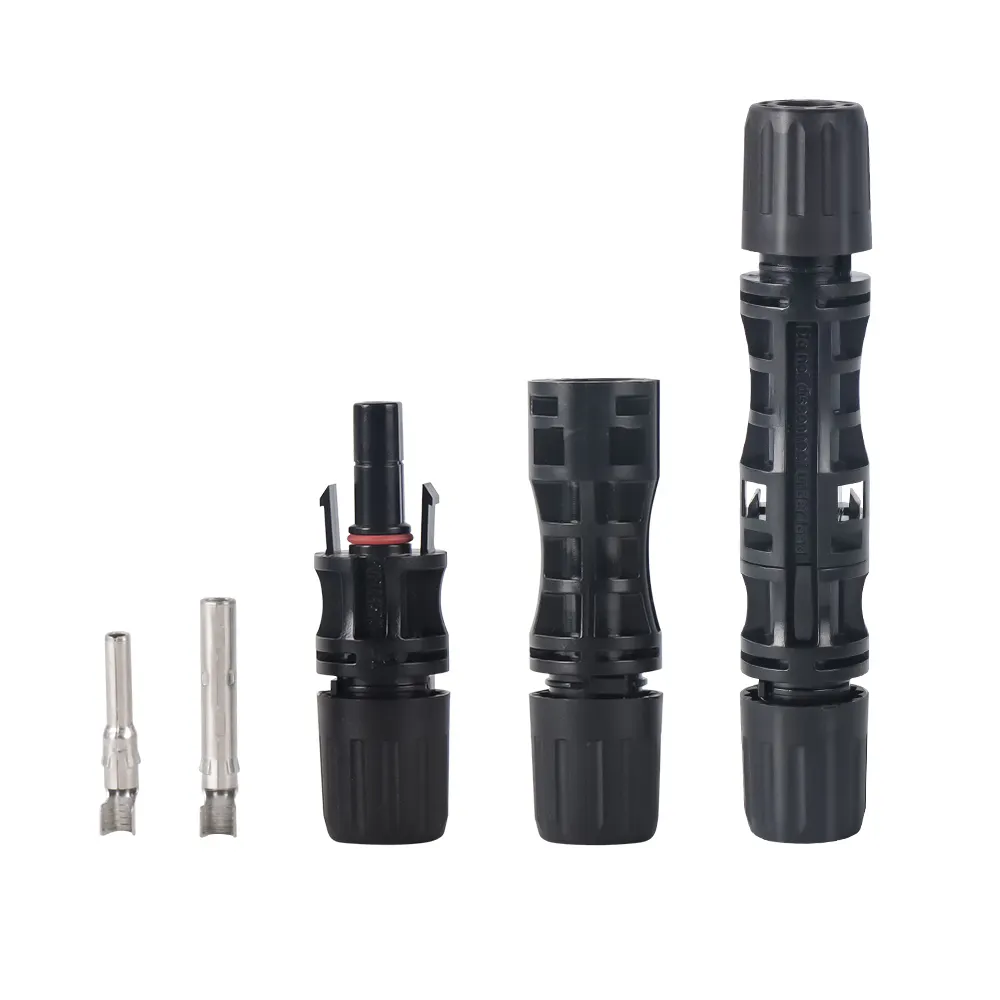
DC fuses play a critical role in modern electrical systems by providing essential protection against overcurrent conditions and short circuits in direct current applications. Unlike their alternating current counterparts, DC fuses must handle unique challenges such as arc suppression and continuous current flow without the natural zero-crossing points that help extinguish arcs in AC systems. These specialized protective devices are engineered to interrupt fault currents quickly and safely, preventing damage to sensitive equipment and ensuring system reliability across various industrial and commercial applications.
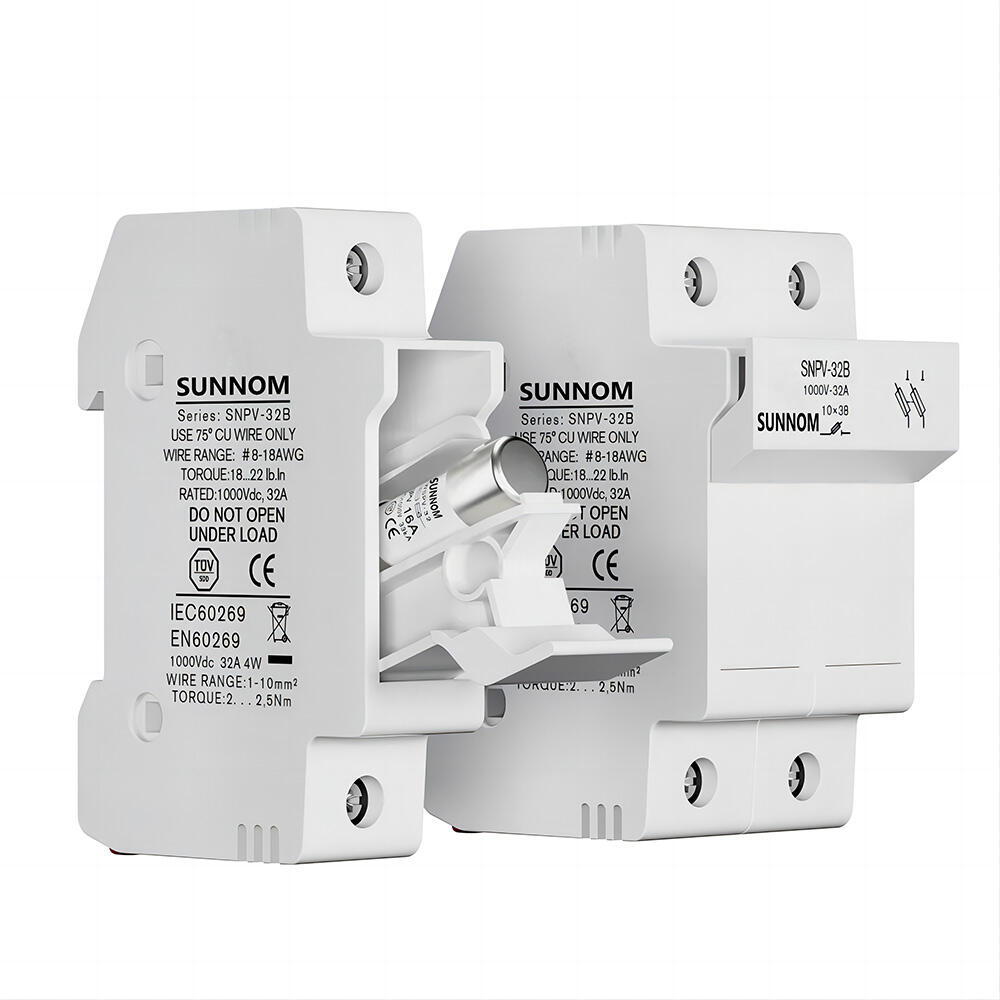
The growing adoption of renewable energy systems, electric vehicles, and battery storage solutions has significantly increased the demand for reliable DC protection devices. Engineers and system designers must carefully select appropriate DC fuses to ensure optimal performance and safety in these demanding applications. Understanding the fundamental principles behind DC fuse operation enables professionals to make informed decisions that protect valuable equipment while maintaining system efficiency.
Understanding DC Fuse Technology and Operation
Arc Interruption Mechanisms in DC Systems
The primary challenge in DC fuse design lies in effectively interrupting the arc that forms when current flow is disrupted. In AC systems, the natural zero-crossing of the alternating current helps extinguish arcs at regular intervals. However, DC fuses must rely on specialized arc-quenching materials and chamber designs to forcibly interrupt the continuous current flow. Sand-filled fuse bodies are commonly used to absorb arc energy and create a high-resistance path that quickly extinguishes the arc.
Modern DC fuses incorporate advanced materials such as silica sand or ceramic powder to enhance arc suppression capabilities. These materials undergo physical and chemical changes when exposed to the intense heat of an electrical arc, forming glass-like substances that effectively isolate the fuse element and prevent re-ignition. The fuse body design also plays a crucial role, with carefully engineered internal chambers that direct arc gases and debris away from critical components.
Current Rating and Breaking Capacity Considerations
Proper selection of DC fuses requires careful consideration of both steady-state current ratings and fault current interruption capabilities. The continuous current rating must be sufficient to handle normal operating conditions with appropriate derating factors for ambient temperature and installation conditions. Engineers typically select fuse ratings at 80-90% of the expected continuous current to ensure reliable operation without nuisance tripping.
Breaking capacity represents the maximum fault current that DC fuses can safely interrupt without damage to the surrounding system. This parameter becomes particularly critical in high-power applications such as solar inverters and battery storage systems where fault currents can reach extremely high levels. Modern high-voltage DC fuses can handle breaking capacities exceeding 20,000 amperes while maintaining compact form factors suitable for space-constrained installations.
Applications and Industry Requirements
Solar Power System Protection
Photovoltaic systems represent one of the largest markets for DC fuses due to the inherent DC nature of solar panel output. These systems require multiple levels of protection, including string-level fuses for individual panel groups and combiner fuses for parallel string connections. DC fuses in solar applications must withstand harsh environmental conditions including temperature cycling, UV exposure, and moisture while maintaining reliable protection over 20-25 year system lifespans.
String fuses typically operate at voltages between 600V and 1500V, protecting against reverse current flow and ground faults that could damage expensive photovoltaic modules. The slow-blow characteristics of solar DC fuses allow for temporary overcurrent conditions caused by cloud transients and module mismatch while providing rapid protection against serious fault conditions. Proper coordination between string fuses and system-level protection devices ensures selective operation that minimizes downtime during fault conditions.
Battery Storage and Electric Vehicle Applications
Energy storage systems rely heavily on DC fuses to protect battery packs, power conversion equipment, and distribution circuits. These applications present unique challenges due to the high energy density of modern lithium-ion batteries and the potential for catastrophic thermal runaway events. DC fuses in battery systems must respond quickly to overcharge conditions, internal short circuits, and external fault currents while maintaining compatibility with battery management system requirements.
Electric vehicle applications demand compact, lightweight DC fuses capable of handling high current densities in space-constrained environments. Automotive-grade DC fuses must meet stringent vibration, shock, and temperature cycling requirements while providing reliable protection for high-voltage battery systems operating at 400V to 800V. Advanced fuse designs incorporate specialized mounting systems and environmental sealing to ensure long-term reliability in mobile applications.
Selection Criteria and Performance Characteristics
Voltage Rating and Insulation Coordination
Voltage rating represents a fundamental specification for DC fuses, determining their ability to withstand system voltages and suppress recovery voltages after arc interruption. Unlike AC applications where peak voltage is predictable, DC systems can experience significant voltage transients during switching operations and fault conditions. Engineers must select DC fuses with voltage ratings that provide adequate safety margins above normal operating voltages.
Insulation coordination becomes particularly important in high-voltage DC applications where multiple fuses may be connected in series to achieve required voltage ratings. The distribution of voltage stress across series-connected DC fuses requires careful attention to manufacturing tolerances and aging characteristics. Advanced fuse designs incorporate voltage grading elements and enhanced insulation systems to ensure uniform voltage distribution and reliable long-term performance.
Time-Current Characteristics and Coordination
The time-current characteristic curve defines how quickly DC fuses respond to various overcurrent levels, ranging from slight overloads to severe short circuits. Fast-acting DC fuses provide rapid protection for semiconductor devices and other current-sensitive components, while time-delay versions allow for temporary overloads associated with motor starting and capacitive charging currents. Understanding these characteristics enables engineers to select appropriate fuse types that balance protection sensitivity with operational flexibility.
Coordination between multiple protection devices requires careful analysis of time-current curves to ensure selective operation during fault conditions. DC fuses must coordinate with upstream circuit breakers, downstream contactors, and parallel protection devices to minimize system disruption. Computer-based coordination studies help optimize protection schemes by analyzing fault current distribution and device response times under various operating scenarios.
Installation and Maintenance Best Practices
Proper Mounting and Environmental Considerations
Correct installation of DC fuses requires attention to mechanical mounting, electrical connections, and environmental protection. Fuse holders must provide secure mechanical retention while allowing for safe replacement under de-energized conditions. High-current applications require special attention to connection torque specifications and contact surface preparation to minimize resistance heating and ensure reliable long-term operation.
Environmental factors significantly impact DC fuse performance and reliability. Temperature derating curves provided by manufacturers help determine appropriate current ratings for elevated ambient conditions. Humidity, corrosive atmospheres, and contamination can degrade fuse performance over time, requiring appropriate enclosure selection and maintenance procedures. Outdoor installations require UV-resistant materials and adequate ventilation to prevent premature aging of organic components.
Inspection and Replacement Procedures
Regular inspection of DC fuses helps identify potential problems before they lead to system failures. Visual examination should include checking for signs of overheating, corrosion, mechanical damage, and proper seating in fuse holders. Thermal imaging can detect hot spots indicating loose connections or degraded fuse elements that require immediate attention. Documentation of inspection results enables trending analysis to optimize maintenance intervals and replacement strategies.
Safe replacement procedures for DC fuses require complete system de-energization and verification of zero energy state. Lock-out/tag-out procedures must account for stored energy in capacitive and inductive circuit elements that could create hazardous conditions even after main power disconnection. Replacement DC fuses must match original specifications exactly, including voltage rating, current rating, breaking capacity, and time-current characteristics to maintain system protection integrity.
Emerging Technologies and Future Developments
Smart Fuse Technology and Monitoring Systems
The integration of smart technology into DC fuses represents a significant advancement in electrical protection systems. Smart DC fuses incorporate sensors and communication capabilities that provide real-time monitoring of current flow, temperature, and fuse element condition. This technology enables predictive maintenance strategies that can identify degrading fuses before failure occurs, reducing unplanned downtime and maintenance costs.
Wireless communication systems allow remote monitoring of DC fuses in distributed installations such as solar farms and energy storage facilities. Advanced analytics can process historical data to optimize fuse selection, predict failure modes, and recommend maintenance actions. Integration with building management systems and industrial control networks provides operators with comprehensive visibility into protection system status and performance trends.
Advanced Materials and Manufacturing Techniques
Research into advanced materials continues to improve DC fuse performance and reliability. Nanotechnology applications include enhanced arc-quenching materials with improved thermal conductivity and chemical stability. New alloy compositions for fuse elements provide better current-carrying capacity and more precise time-current characteristics. Manufacturing innovations such as 3D printing enable complex internal geometries that optimize arc chamber design and gas flow patterns.
Environmental considerations drive development of more sustainable DC fuses using recyclable materials and reduced manufacturing energy consumption. Lead-free solder systems and halogen-free insulating materials address regulatory requirements while maintaining electrical performance. Modular designs enable component-level replacement and upgrade capabilities that extend product lifecycles and reduce waste generation.
FAQ
What is the main difference between AC and DC fuses
The primary difference between AC and DC fuses lies in their arc interruption mechanisms. AC fuses benefit from natural current zero-crossings that occur 100-120 times per second, which help extinguish arcs automatically. DC fuses must forcibly interrupt continuous current flow using specialized arc-quenching materials and chamber designs. This makes DC fuses more complex and typically more expensive than equivalent AC versions, but they provide essential protection that AC fuses cannot deliver in DC applications.
How do I determine the correct DC fuse rating for my application
Selecting the correct DC fuse rating requires consideration of several factors including continuous operating current, ambient temperature, fault current levels, and load characteristics. Generally, choose a fuse rated at 125% of the maximum continuous current, then apply derating factors for temperature and installation conditions. The voltage rating must exceed the maximum system voltage, and breaking capacity must be sufficient for the highest available fault current. Consult manufacturer specifications and consider system coordination requirements when making final selections.
Can DC fuses be used in AC applications
While DC fuses can technically function in AC applications, this practice is generally not recommended due to economic and performance considerations. DC fuses are significantly more expensive than AC fuses and may not provide optimal protection characteristics for AC loads. The specialized arc-quenching materials and construction methods used in DC fuses are unnecessary in AC applications where natural current zero-crossings facilitate arc extinction. Always use fuses specifically designed and tested for the intended application to ensure proper protection and regulatory compliance.
What maintenance is required for DC fuses
DC fuses require minimal maintenance but benefit from regular inspection and testing. Visually inspect fuses quarterly for signs of overheating, corrosion, or mechanical damage. Check connection tightness annually and use thermal imaging to detect hot spots indicating resistance problems. Test fuse holder contact resistance periodically in critical applications. Replace fuses that show any signs of degradation, and maintain detailed records of inspections and replacements. Never attempt to repair or modify DC fuses, as this compromises their protective function and safety certifications.