
 EN
EN


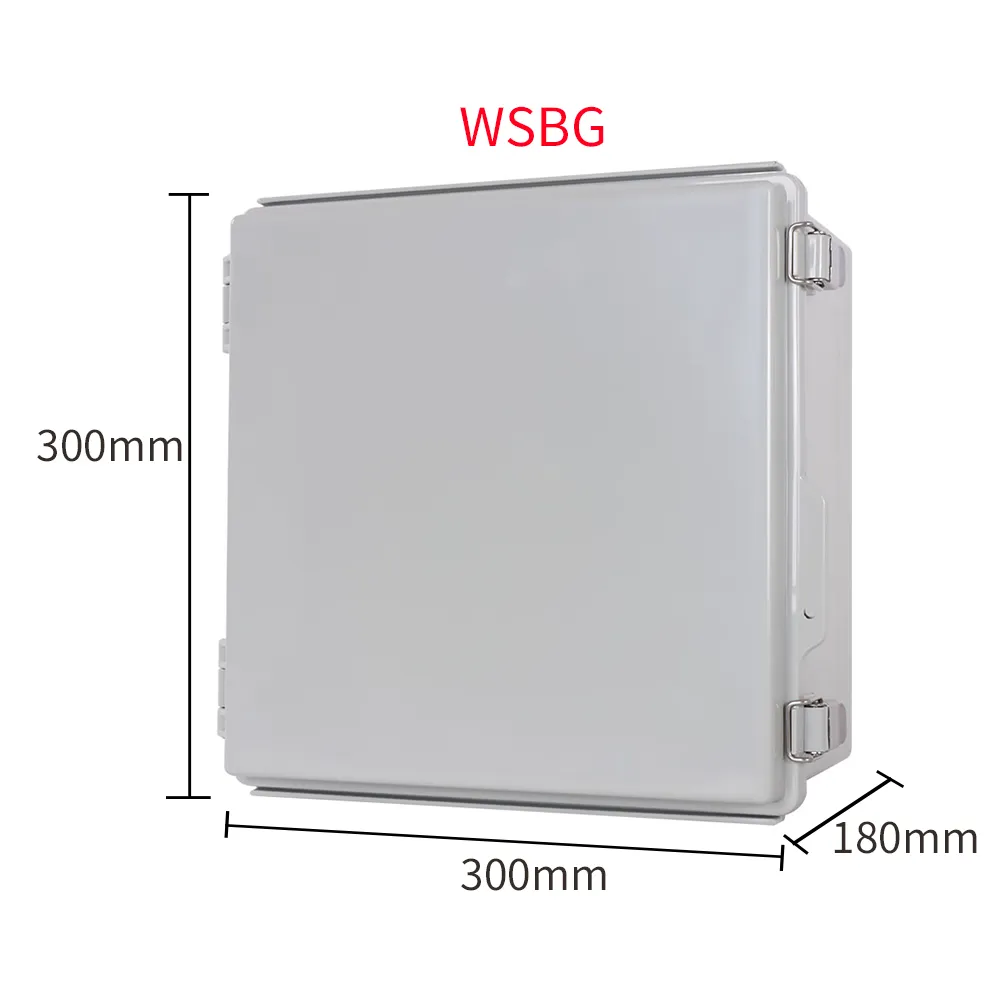
A solar distribution box represents a critical component in any outdoor renewable energy system, serving as the central hub where electrical connections are managed, protected, and distributed safely across the installation. When deploying solar power systems in outdoor environments, the solar distribution box must withstand extreme weather conditions, UV radiation, temperature fluctuations, and moisture exposure while maintaining electrical safety and system reliability. Understanding what makes a solar distribution box suitable for outdoor applications requires examining its structural design, material composition, protective features, and performance standards that differentiate it from standard indoor electrical enclosures.
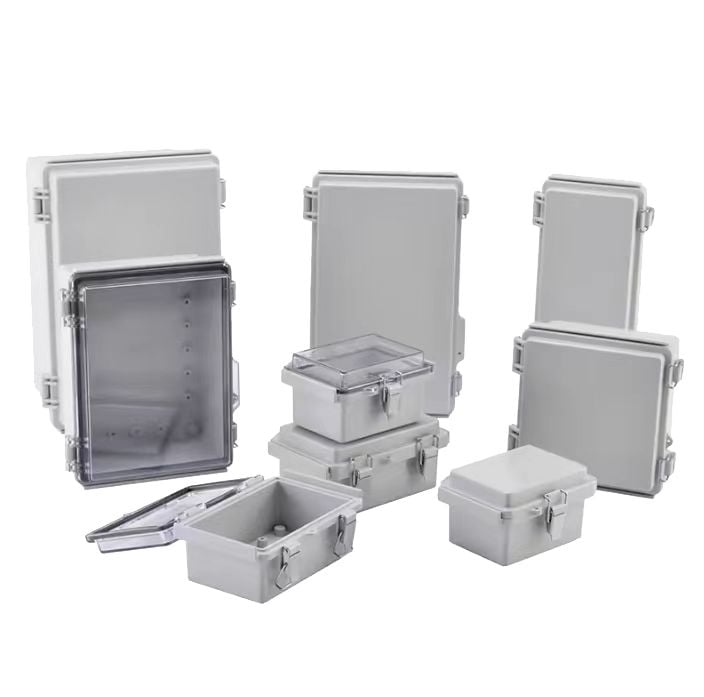
The suitability of a solar distribution box for outdoor environments stems from its engineered durability and specialized construction features designed specifically for challenging external conditions. Unlike indoor electrical boxes, a solar distribution box must provide robust protection against environmental hazards while facilitating efficient power management in photovoltaic systems. This article explores the essential characteristics that make a solar distribution box the appropriate choice for outdoor solar installations, including weatherproofing technology, material selection, thermal management, and compliance with industry standards.
Weatherproofing and Protective Materials
IP Rating and Environmental Sealing
The ingress protection rating determines how effectively a solar distribution box defends against dust and moisture infiltration. A solar distribution box with IP66 rating ensures complete dust tightness and powerful water jet resistance, making it ideal for outdoor deployment in rain, snow, and coastal environments. The sealing mechanisms incorporated into a quality solar distribution box include reinforced gaskets, sealed cable entries, and drain provisions that prevent water accumulation inside the enclosure while allowing thermal equilibrium through vents designed to block liquid entry.
Material Durability Against Environmental Stress
Modern solar distribution box construction utilizes materials specifically chosen for outdoor resilience, including powder-coated steel, anodized aluminum, or UV-stabilized polycarbonate composite bodies. These materials ensure that a solar distribution box resists corrosion, rust formation, and structural degradation over decades of continuous outdoor exposure. The material selection for a solar distribution box balances weight, thermal conductivity, mechanical strength, and chemical resistance to accommodate both harsh climates and varying geographic locations where solar installations operate.
Thermal Management and System Safety
Heat Dissipation and Internal Temperature Control
A solar distribution box must manage internal heat generation from electrical connections, current distribution, and ambient temperature spikes without compromising component integrity. Strategic ventilation ports on a quality solar distribution box allow convective cooling while maintaining the weatherproof integrity required for outdoor settings. The internal layout of a solar distribution box incorporates spacing between terminals, circuit breakers, and surge protection devices to ensure adequate air circulation and prevent thermal hotspots that could trigger premature equipment failure.
Electrical Safety and Overcurrent Protection
Every solar distribution box must integrate multiple layers of overcurrent protection, including main disconnect switches, individual circuit breakers, and surge protection devices to isolate and manage fault conditions. The solar distribution box serves as the primary safety interface between the solar array and downstream electrical systems, requiring rapid fault detection and isolation capabilities. Proper grounding provisions within a solar distribution box ensure that any accidental electrical leakage is safely directed to earth, protecting personnel and connected equipment from electrical hazards in outdoor environments where ground moisture and conductive pathways are prevalent.
Design Features for Outdoor Longevity
UV Resistance and Color Stability
Prolonged outdoor exposure subjects a solar distribution box to intense solar radiation that degrades many standard materials through photochemical reactions. Premium solar distribution box enclosures utilize UV-inhibited coatings and inherently stable materials that resist color fading, surface cracking, and material brittleness even after twenty or more years of continuous sun exposure. The finish quality of a solar distribution box directly impacts its aesthetic appearance and underlying material protection, making color stability an important indicator of overall outdoor longevity and protective capability.
Installation Flexibility and Environmental Adaptability
Outdoor solar installations occur across diverse climates ranging from coastal salt spray zones to high-altitude mountainous terrain, each presenting unique environmental challenges that a solar distribution box must accommodate. An effective solar distribution box design includes adjustable mounting provisions, multiple cable entry orientations, and modular internal configurations that adapt to various installation geometries and site-specific environmental conditions. The versatility of a modern solar distribution box enables system designers to deploy reliable power distribution infrastructure regardless of geographic location, seasonal temperature extremes, or moisture-intensive weather patterns specific to regional climates.
FAQ
What IP rating should a solar distribution box have for outdoor use?
A solar distribution box intended for outdoor applications should have a minimum IP66 rating, which guarantees complete dust protection and resistance to powerful water jets from any direction. This rating ensures comprehensive environmental sealing suitable for rain, snow, coastal spray, and wash-down scenarios common in outdoor renewable energy installations. Some advanced solar distribution box models offer IP67 or IP68 ratings for temporary or permanent submersion tolerance, providing additional protective margins for extremely challenging environments.
How does a solar distribution box prevent corrosion in salt-spray environments?
A solar distribution box deployed in coastal regions relies on multiple corrosion-prevention strategies including stainless steel hardware, epoxy-coated terminals, and sealed cable glands that prevent salt-laden moisture from reaching internal metal components. The external coating on a salt-resistant solar distribution box typically includes marine-grade paint or powder coating systems formulated to resist chloride attack and galvanic corrosion. Quality solar distribution box designs also incorporate sacrificial anode concepts or dielectric isolation between dissimilar metals to minimize electrochemical corrosion pathways in high-salinity environments.
Can a solar distribution box operate effectively in extreme temperature ranges?
A properly engineered solar distribution box functions reliably across temperature ranges typically spanning minus forty to sixty-five degrees Celsius or wider, accommodating climates from arctic regions to desert environments. Component selection within a solar distribution box prioritizes temperature stability and thermal cycling resilience, ensuring that gasket elasticity, lubricant viscosity, and electronic circuitry maintain performance across full operational temperature bands. The solar distribution box thermal design inherently accommodates daily and seasonal temperature fluctuations without requiring supplementary heating or cooling systems in most outdoor applications.