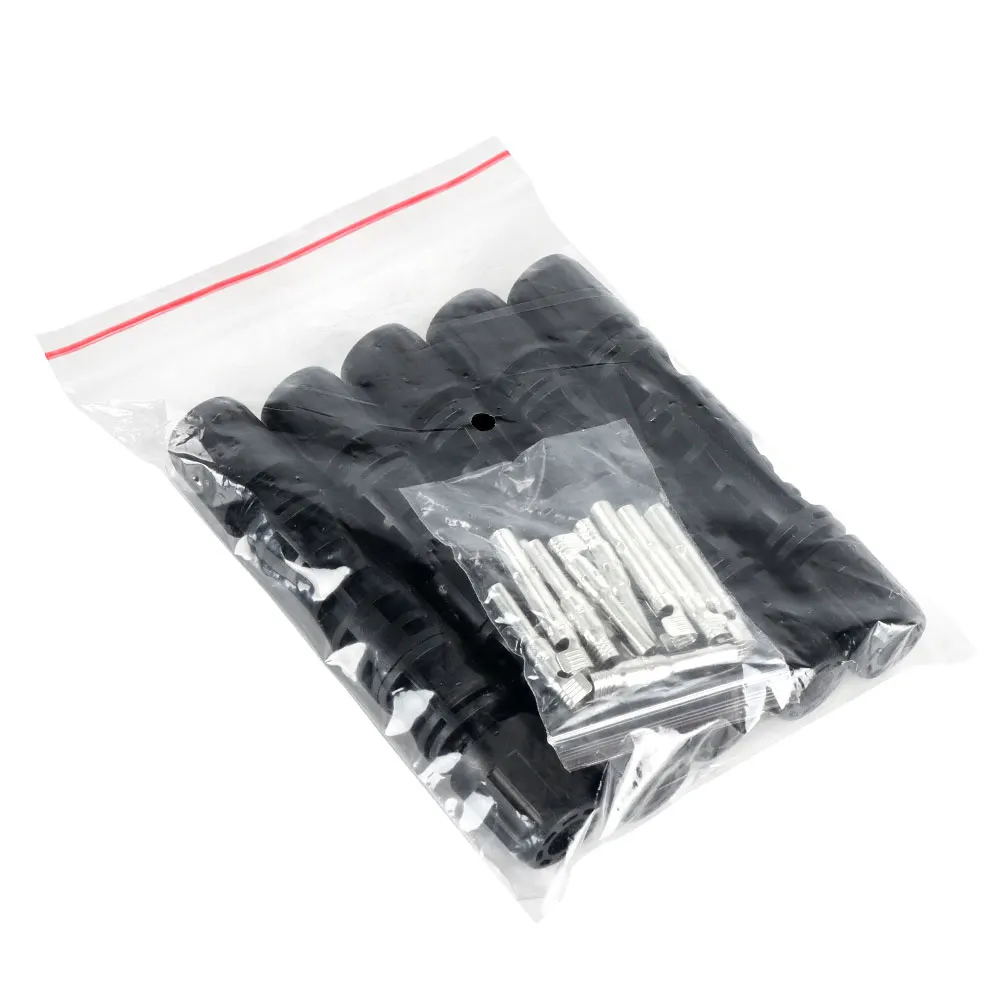
crimping solar connectors
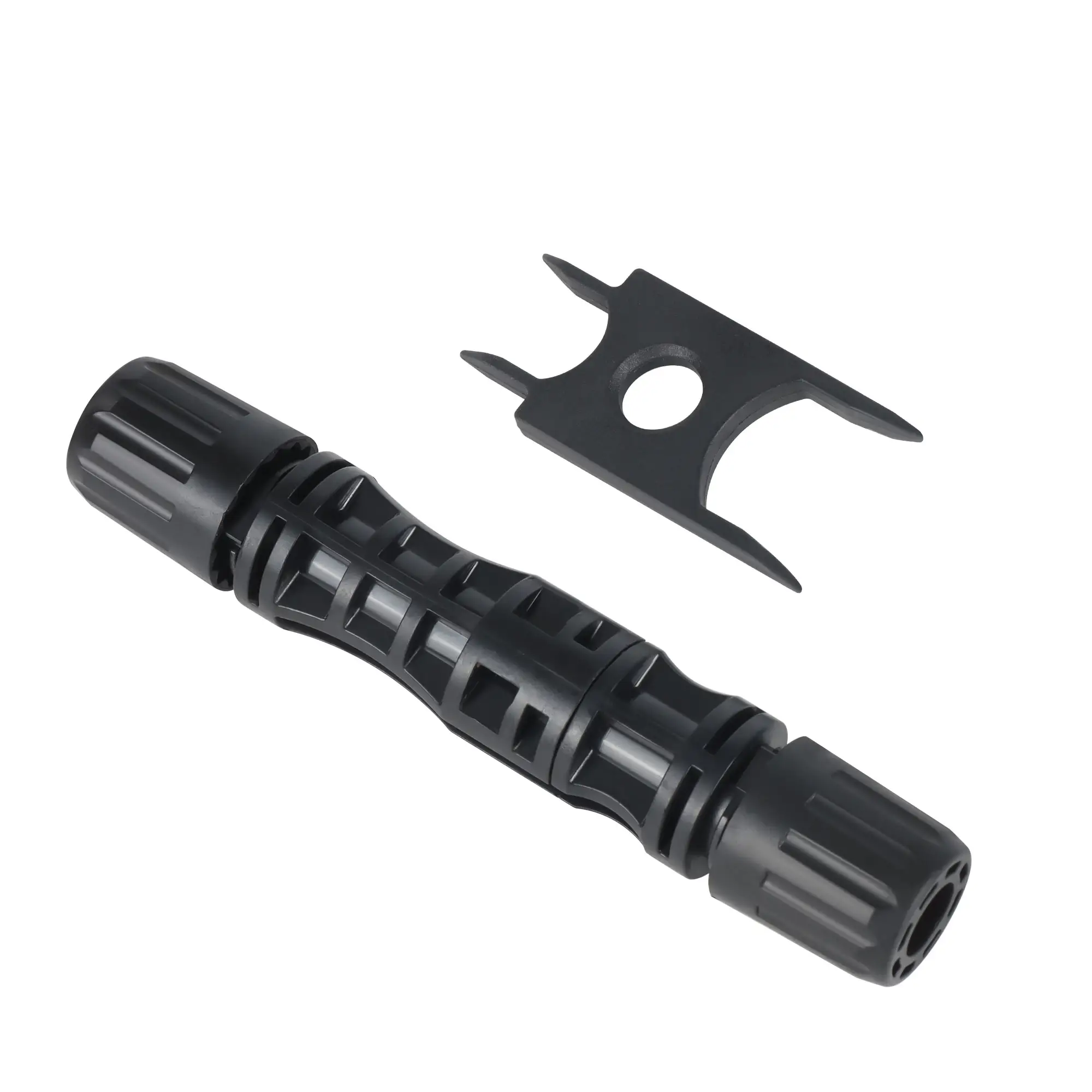
Crimping solar connectors are essential components in photovoltaic systems that create secure, reliable electrical connections between solar panels, cables, and other system components. These specialized connectors utilize a crimping mechanism to mechanically join conductive terminals with solar cables, ensuring optimal electrical conductivity and weather resistance. The crimping process involves compressing a metal sleeve around both the cable conductor and the connector terminal, creating a permanent bond that withstands environmental stress and maintains consistent performance over decades. Crimping solar connectors are designed specifically for outdoor use in solar installations, featuring UV-resistant materials, waterproof seals, and corrosion-resistant contacts. The main functions include establishing low-resistance electrical pathways, protecting connections from moisture ingress, and facilitating quick installation and maintenance. Technologically, these connectors incorporate advanced locking mechanisms, touch-safe designs that prevent accidental contact with live parts, and compliance with international safety standards such as TUV and UL certifications. The crimping technology ensures gas-tight connections that prevent oxidation and maintain electrical integrity throughout the system's lifespan. Applications span residential rooftop installations, commercial solar arrays, utility-scale solar farms, and off-grid power systems. Crimping solar connectors accommodate various cable gauges and are compatible with different panel types, making them versatile solutions for diverse solar energy projects. Their robust construction and reliable performance make crimping solar connectors the preferred choice for professional installers and system integrators seeking long-term durability and electrical safety in photovoltaic installations.

 EN
EN