dc mccb for solar system
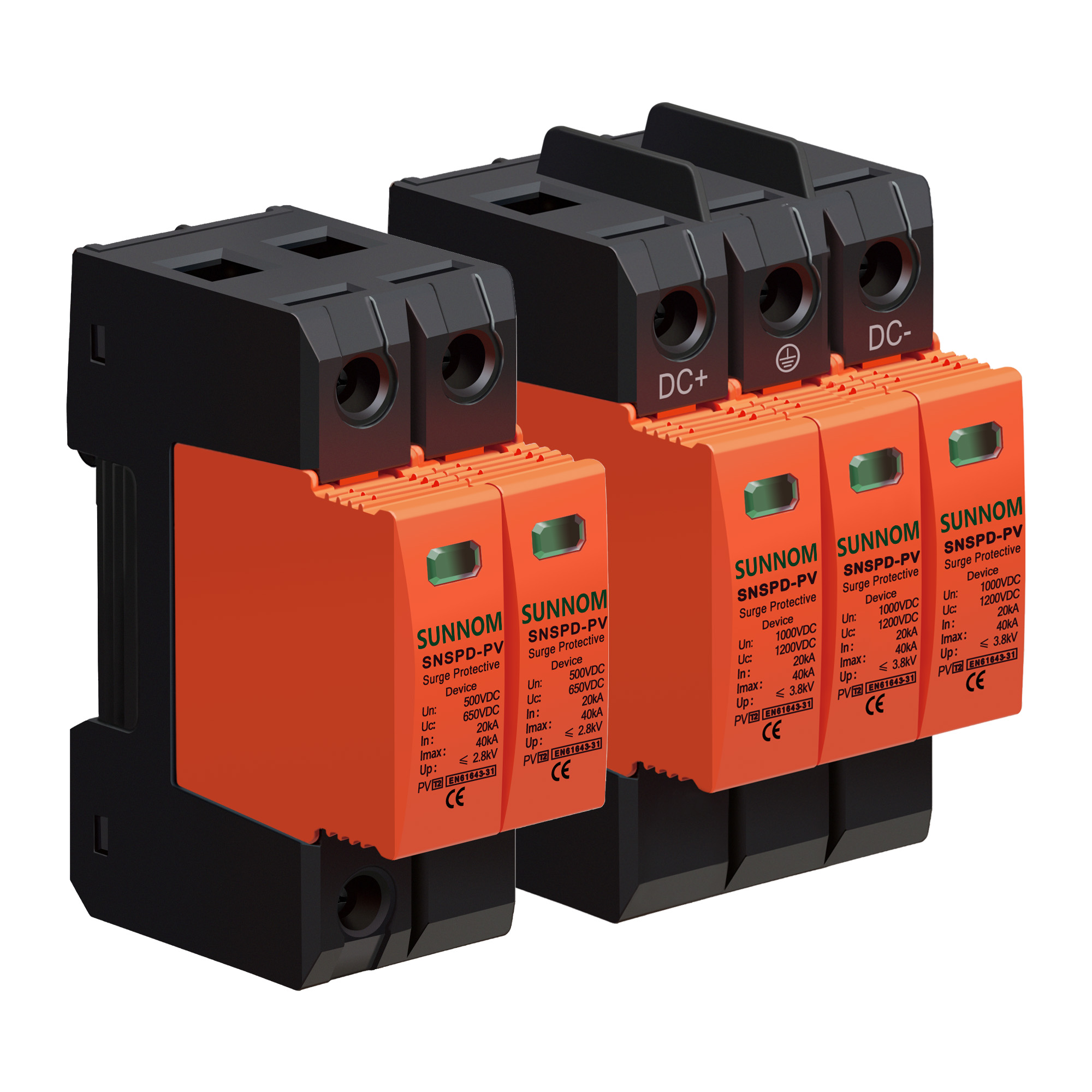
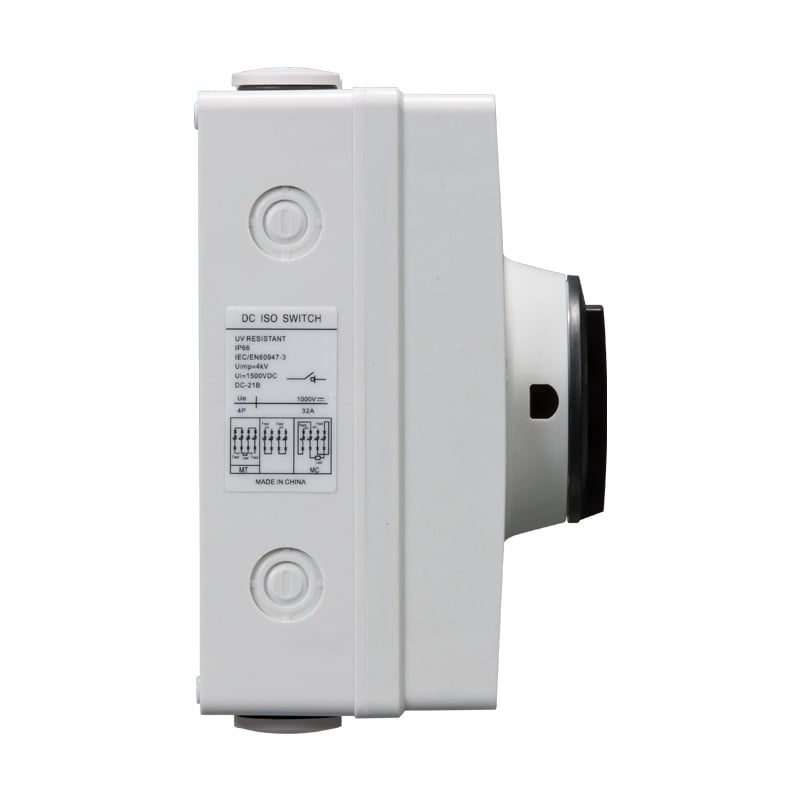
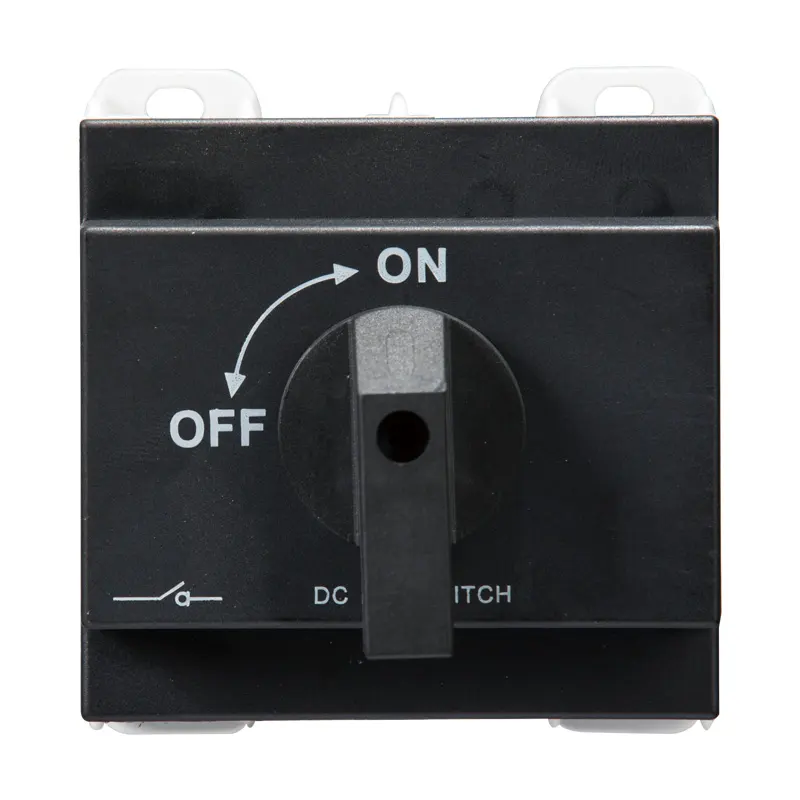
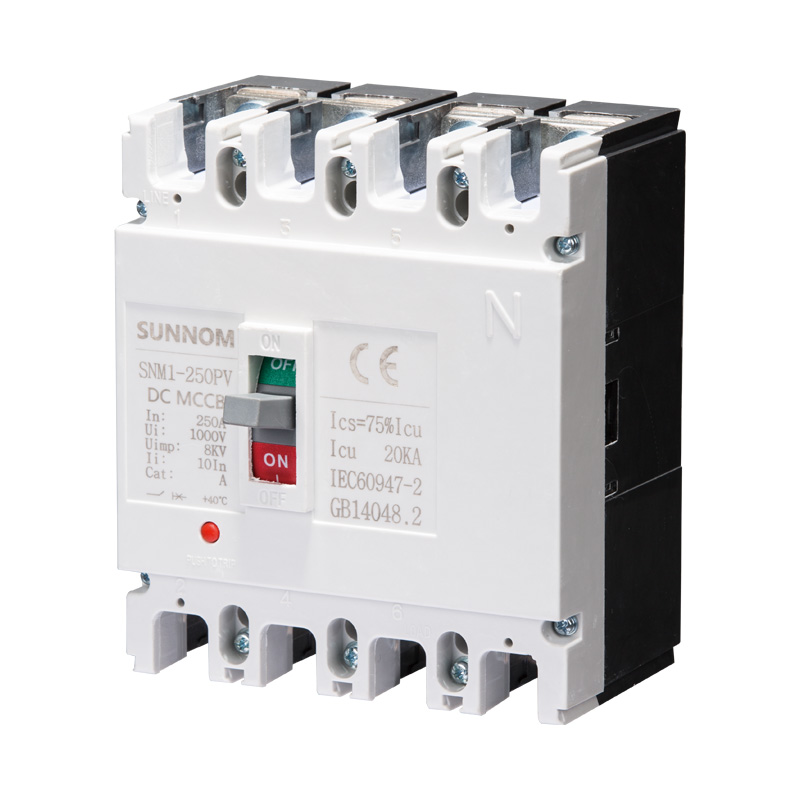
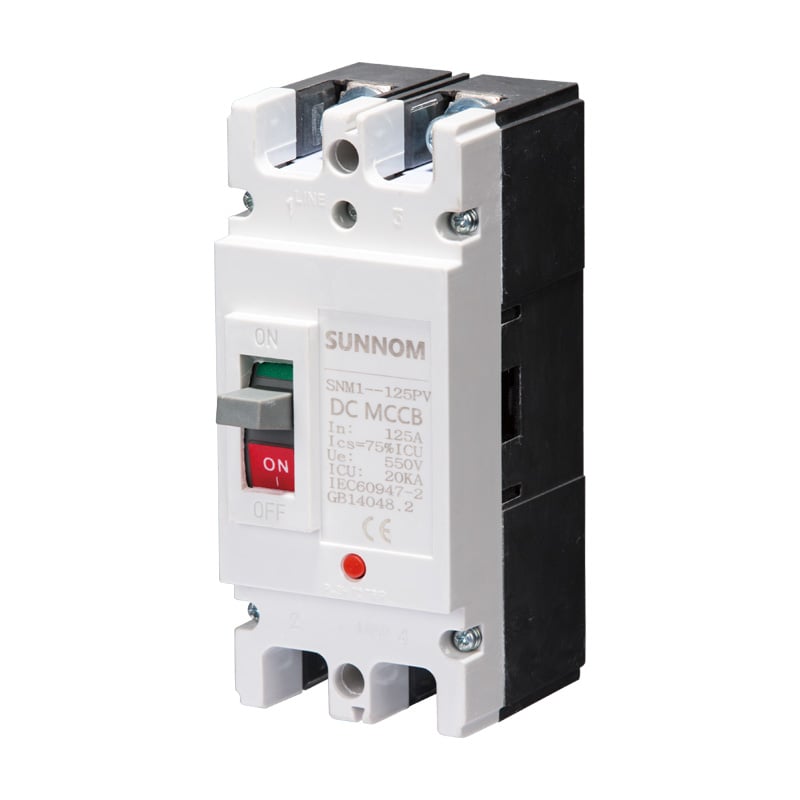
A DC MCCB for solar system is a molded case circuit breaker specifically engineered to protect photovoltaic installations from electrical faults and overload conditions. This critical safety device operates with direct current, making it fundamentally different from standard AC circuit breakers. Solar power systems generate DC electricity, which creates unique challenges including arc suppression and fault interruption that require specialized protection equipment. The DC MCCB for solar system serves as the primary protective component between solar panels, inverters, battery storage systems, and other connected equipment. Its main functions include interrupting excessive current flow during short circuits, preventing equipment damage from overload conditions, and providing manual disconnection capabilities for maintenance purposes. Technological features of the DC MCCB for solar system include enhanced arc extinguishing chambers designed for DC applications, wider contact gaps to handle DC arc characteristics, magnetic and thermal trip mechanisms for precise protection, and robust construction to withstand harsh outdoor environmental conditions. These circuit breakers are rated for high DC voltages ranging from 250V to 1500V, accommodating various solar system configurations from residential rooftop installations to large-scale commercial solar farms. Applications span across grid-tied solar systems, off-grid battery-based installations, solar charge controller protection, and string-level circuit protection in utility-scale photovoltaic plants, ensuring comprehensive electrical safety throughout the entire solar energy generation and distribution network.

 EN
EN