
 EN
EN



Selecting the right plastic junction box for outdoor electrical installations requires careful consideration of multiple factors that directly impact safety, durability, and compliance with electrical codes. Outdoor environments present unique challenges including moisture exposure, temperature fluctuations, UV radiation, and physical impacts that can compromise electrical connections. A properly chosen plastic junction box serves as the critical protective barrier between sensitive electrical components and harsh environmental conditions, ensuring reliable performance and preventing potentially dangerous situations.
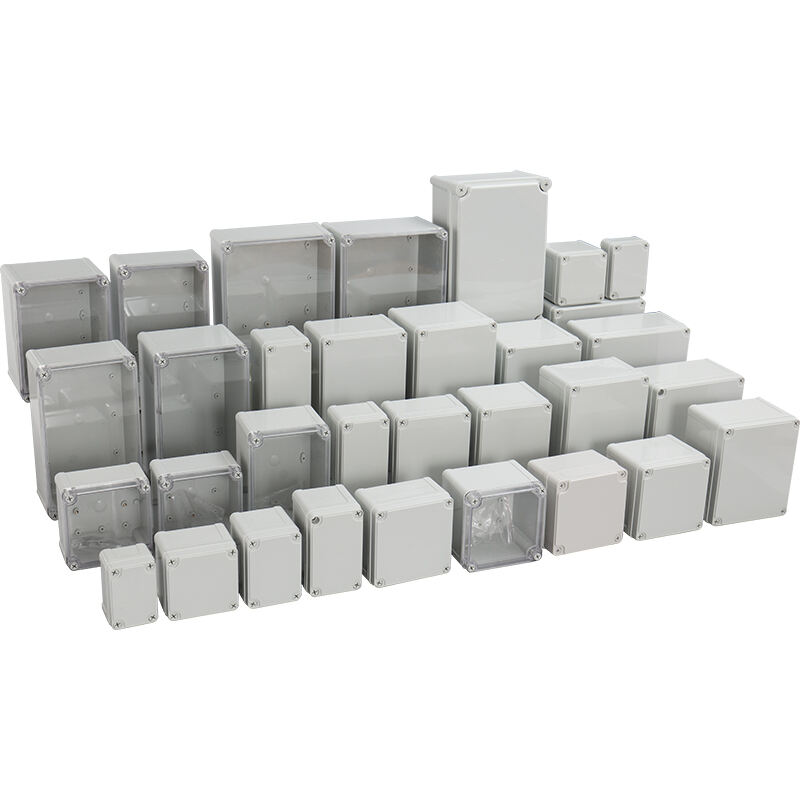
The complexity of outdoor electrical applications demands a systematic approach to junction box selection that goes beyond basic functionality. Whether installing landscape lighting, security systems, irrigation controls, or outdoor receptacles, the plastic junction box must withstand years of exposure while maintaining electrical integrity. Understanding the relationship between environmental demands and box specifications enables informed decision-making that prevents costly failures and ensures long-term reliability.
Understanding IP Rating Requirements
Moisture Protection Standards
The Ingress Protection rating system provides essential guidance for selecting a plastic junction box suitable for outdoor applications. The first digit indicates protection against solid particles, while the second digit specifies liquid protection levels. For outdoor installations, a minimum IP65 rating is typically required, though IP67 or higher ratings offer superior protection in challenging environments. These ratings ensure the plastic junction box can withstand direct water spray, temporary submersion, and dust infiltration.
Higher IP ratings become critical in coastal areas where salt spray poses additional corrosion risks, or in regions experiencing heavy rainfall and flooding. A plastic junction box with IP67 rating can withstand temporary submersion up to one meter depth, providing crucial protection during severe weather events. Understanding these specifications helps match the protection level to specific environmental challenges, preventing premature failure due to moisture ingress.
Environmental Exposure Considerations
Beyond moisture protection, outdoor plastic junction box installations must account for temperature extremes, UV exposure, and chemical resistance requirements. Ambient temperature variations can cause expansion and contraction of materials, potentially compromising seal integrity over time. Quality plastic junction box designs incorporate flexible gasket materials and thermal expansion compensation to maintain protective barriers across wide temperature ranges.
UV stabilization becomes particularly important in sunny climates where prolonged exposure can degrade plastic materials, leading to brittleness and seal failure. A well-engineered plastic junction box includes UV-resistant compounds that maintain structural integrity and appearance over extended periods. Chemical resistance also matters in industrial environments or areas where cleaning chemicals, fertilizers, or other substances may contact the enclosure surface.
Material Selection and Durability
Plastic Composition Benefits
Modern plastic junction box designs utilize advanced polymer compositions that offer significant advantages over traditional metal alternatives in outdoor applications. Polycarbonate and ABS plastics provide excellent impact resistance while maintaining dimensional stability across temperature ranges. These materials resist corrosion naturally, eliminating concerns about rust or galvanic reactions that can compromise metal enclosures over time.
The inherent electrical insulation properties of plastic materials add an extra safety margin in outdoor installations where ground fault risks may be elevated. A quality plastic junction box also offers superior resistance to salt air, agricultural chemicals, and industrial pollutants that can rapidly degrade metal enclosures. The manufacturing flexibility of plastic allows for complex internal configurations and integrated mounting features that simplify installation procedures.
Impact and Vandal Resistance
Outdoor installations face potential damage from accidental impacts, extreme weather, and intentional vandalism. A robust plastic junction box incorporates reinforcement ribs, strategic wall thickness variations, and impact-absorbing designs that distribute stress loads effectively. IK impact ratings provide standardized measurements of mechanical protection, with IK08 or higher ratings suitable for most outdoor applications where physical damage risks exist.
The design geometry of the plastic junction box significantly influences its ability to withstand impacts and maintain seal integrity. Rounded corners and smooth transitions reduce stress concentrations that could lead to crack propagation. Some designs incorporate breakaway features that absorb impact energy without compromising the internal electrical connections, ensuring continued protection even after significant physical stress events.
Sizing and Configuration Factors
Internal Volume Calculations
Proper sizing of a plastic junction box requires accurate calculation of internal volume needed for wire connections, splices, and any required devices. Electrical codes specify minimum volume requirements based on wire gauge and quantity, ensuring adequate space for safe installations without overcrowding. A properly sized plastic junction box allows for neat wire arrangement, proper bend radii, and accessible connections for future maintenance.
Future expansion considerations should influence initial plastic junction box sizing decisions, as retrofitting larger enclosures often proves more costly than installing appropriate capacity initially. The internal configuration must accommodate not only current wiring needs but also potential additions such as surge protection devices, monitoring equipment, or circuit modifications. Oversizing within reasonable limits provides installation flexibility without significant cost penalties.
Entry Port Planning
The number, size, and positioning of cable entry ports directly impact the versatility and installation efficiency of a plastic junction box. Pre-molded knockout patterns offer convenience but may limit flexibility, while solid-wall designs allow custom positioning of entry points. Threaded entries provide superior environmental sealing compared to simple knockouts, especially when used with appropriate cable glands or conduit fittings.
Entry port planning must consider cable routing requirements, conduit sizes, and maintenance accessibility. A well-designed plastic junction box provides multiple entry options without compromising structural integrity or environmental protection. The relationship between internal volume and entry port placement affects wire management efficiency and long-term reliability of connections.
Installation and Mounting Considerations
Mounting Methods and Hardware
Secure mounting of outdoor plastic junction box installations requires careful selection of mounting methods appropriate to the substrate and environmental conditions. Wall-mounted installations typically utilize corrosion-resistant fasteners with adequate pullout strength to withstand wind loads and thermal cycling. The mounting foot design of the plastic junction box should distribute loads evenly to prevent stress concentrations that could compromise the enclosure integrity.
Pole-mounted applications demand specialized brackets that accommodate thermal expansion while maintaining rigid mechanical connections. The mounting system must consider accessibility for maintenance while preventing unauthorized access or tampering. Some plastic junction box designs incorporate integral mounting features that simplify installation and reduce the number of penetrations through the environmental barrier.
Accessibility and Maintenance Planning
Long-term reliability of outdoor electrical installations depends heavily on accessibility for periodic inspection and maintenance. The plastic junction box installation height and location must balance security concerns with practical maintenance requirements. Clear access space around the enclosure enables proper use of tools and equipment during service procedures without compromising nearby installations or landscaping.
Cover removal mechanisms should operate reliably after extended outdoor exposure, with captive hardware preventing loss of small components during maintenance activities. The internal layout of the plastic junction box should facilitate visual inspection of connections and components without requiring disconnection of circuits. Proper labeling and documentation enhance maintenance efficiency and reduce the risk of errors during service procedures.
Code Compliance and Safety Standards
National Electrical Code Requirements
Compliance with National Electrical Code provisions ensures that plastic junction box installations meet minimum safety standards for outdoor electrical systems. NEC Article 314 specifies requirements for outlet boxes, device boxes, and junction boxes including sizing, support, and accessibility provisions. Understanding these requirements prevents costly compliance issues and ensures proper inspection approval for new installations.
Local code modifications may impose additional requirements beyond national standards, particularly in areas prone to extreme weather or seismic activity. The plastic junction box selection must account for these local variations while maintaining compatibility with standard electrical components and installation practices. Professional consultation may be necessary for complex installations or unique environmental challenges.
UL Listing and Certification
UL listing provides independent verification that a plastic junction box meets established safety standards for its intended applications. This certification covers material properties, environmental performance, and electrical safety characteristics through rigorous testing protocols. Specifying UL-listed components ensures compatibility with code requirements and provides liability protection for installers and property owners.
The UL listing scope for each plastic junction box model specifies approved applications, environmental ratings, and installation limitations. Understanding these specifications prevents misapplication of products beyond their certified capabilities. Some applications may require additional certifications such as CSA approval for Canadian installations or CE marking for European compliance.
Cost Considerations and Value Analysis
Initial Investment vs. Lifecycle Costs
While initial cost often drives purchasing decisions, total lifecycle analysis reveals the true economic impact of plastic junction box selection for outdoor applications. Higher-quality enclosures with superior environmental protection typically justify their premium through reduced maintenance requirements and extended service life. The cost of premature failures, including labor for replacement and potential damage to connected equipment, often exceeds the incremental cost of quality components.
Energy costs associated with system downtime, especially in commercial or industrial applications, can quickly overwhelm savings from economy-grade plastic junction box selections. Reliability calculations should factor in the criticality of the electrical system and the consequences of service interruptions. Investment in quality components becomes increasingly justified as system importance and replacement difficulty increase.
Performance vs. Price Optimization
Effective value engineering requires matching plastic junction box specifications precisely to application requirements without over-specifying unnecessary features. Applications with minimal environmental challenges may achieve adequate performance with basic enclosures, while harsh service conditions demand premium materials and construction. Understanding the specific performance requirements enables optimization of the price-to-performance relationship.
Bulk purchasing opportunities may justify standardizing on higher-specification plastic junction box models across multiple projects, even where basic units would suffice. This approach simplifies inventory management, reduces procurement complexity, and ensures consistent quality standards across installations. The economies of scale often offset the premium for higher-specification components in large projects.
FAQ
What IP rating do I need for my outdoor plastic junction box
For most outdoor applications, a minimum IP65 rating is recommended for plastic junction box installations, providing protection against dust ingress and water jets from any direction. However, applications in areas subject to flooding, underground installation, or marine environments should specify IP67 or IP68 rated enclosures. The specific environmental conditions at your installation site determine the appropriate protection level, with higher ratings offering greater security against moisture intrusion but typically at increased cost.
Can I install a plastic junction box underground
Underground installation of plastic junction box units requires specific ratings and construction designed for direct burial or concrete encasement applications. Standard above-ground enclosures lack the necessary corrosion resistance, structural strength, and environmental sealing for underground service. Purpose-built underground plastic junction box models incorporate reinforced construction, enhanced gasket systems, and corrosion-resistant hardware suitable for soil contact and groundwater exposure conditions.
How do I determine the correct size for my plastic junction box
Sizing calculations for plastic junction box installations must account for wire fill requirements specified in NEC Article 314, which mandates minimum internal volumes based on conductor sizes and quantities. Additionally, consider space requirements for wire splicing, device mounting, and future modifications. A general rule allows 25% additional space beyond calculated minimums to facilitate installation and maintenance activities while ensuring compliance with electrical codes.
What maintenance does an outdoor plastic junction box require
Regular maintenance of outdoor plastic junction box installations should include annual inspection of gasket condition, hardware tightness, and internal connection integrity. Check for signs of moisture intrusion, UV degradation, or physical damage that could compromise environmental protection. Clean external surfaces to prevent buildup of contaminants that might degrade sealing materials, and verify that all entry points maintain proper environmental sealing through appropriate cable glands or conduit fittings.