
 EN
EN



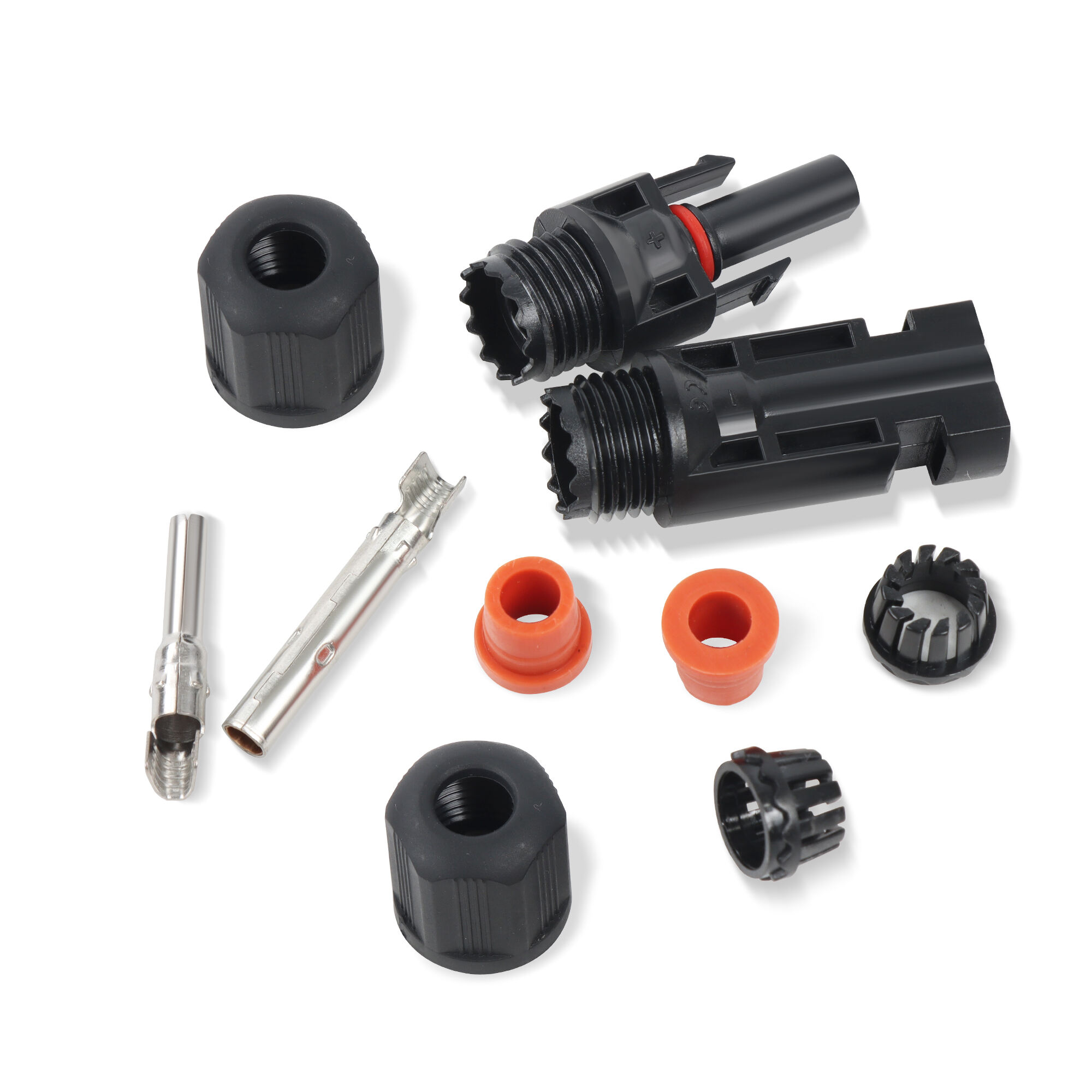
Weather-resistant electrical enclosures are crucial for maintaining safe and reliable electrical connections in outdoor environments. A plastic junction box designed for weather resistance must withstand temperature extremes, moisture infiltration, UV radiation, and various environmental contaminants. The material composition and engineering of these protective enclosures determine their longevity and performance in demanding applications. Understanding the specific materials and properties that contribute to weather resistance helps engineers and installers select the most appropriate plastic junction box for their specific environmental conditions.
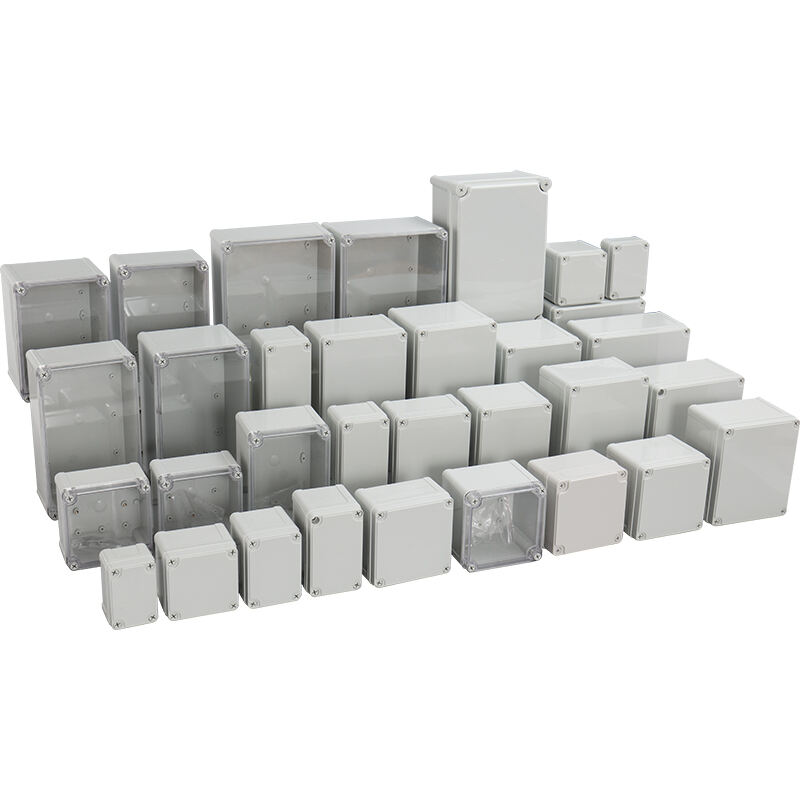
Essential Material Properties for Weather Resistance
Chemical Resistance and Molecular Stability
The foundation of weather resistance in any plastic junction box begins with the molecular structure of the polymer materials used in construction. High-performance thermoplastics such as polycarbonate and ABS demonstrate superior resistance to chemical degradation when exposed to environmental factors. These materials maintain their structural integrity even when subjected to acid rain, salt spray, and various atmospheric pollutants that can compromise inferior plastics over time.
Advanced polymer formulations incorporate stabilizing additives that prevent molecular chain scission and cross-linking reactions that typically occur during prolonged environmental exposure. The chemical resistance of a plastic junction box directly correlates with its ability to maintain electrical insulation properties and mechanical strength throughout its operational lifespan. This molecular stability ensures that critical sealing surfaces remain dimensionally stable and effective barriers against moisture ingress.
UV Stabilization and Color Retention
Ultraviolet radiation poses one of the most significant threats to plastic enclosure materials, causing photodegradation that leads to brittleness, discoloration, and eventual mechanical failure. Premium plastic junction box manufacturers incorporate UV stabilizers and absorbers directly into the polymer matrix to combat this degradation mechanism. These additives work by absorbing harmful UV wavelengths and converting them to harmless thermal energy, preventing damage to the primary polymer chains.
The effectiveness of UV protection is often measured by the material's ability to maintain its original color and mechanical properties after extended exposure to simulated sunlight testing. A properly formulated weather-resistant plastic junction box will show minimal color change and retain its impact resistance even after thousands of hours of accelerated UV exposure. This UV stability ensures that the enclosure maintains both its protective function and aesthetic appearance throughout its service life.
Advanced Polymer Materials in Weather-Resistant Enclosures
Polycarbonate Engineering Plastics
Polycarbonate represents the premium choice for plastic junction box applications requiring exceptional weather resistance and mechanical performance. This engineering thermoplastic offers outstanding impact strength across a wide temperature range, maintaining its protective capabilities from -40°C to +120°C. The inherent toughness of polycarbonate makes it virtually unbreakable under normal installation and service conditions, providing superior protection for sensitive electrical components.
The optical clarity and dimensional stability of polycarbonate also contribute to its effectiveness in electrical enclosures. Clear polycarbonate covers allow for visual inspection of internal components without compromising weather sealing, while maintaining excellent electrical insulation properties. The material's resistance to stress cracking and thermal shock makes it ideal for applications where the plastic junction box may experience rapid temperature changes or mechanical stress during installation and operation.
Modified ABS and High-Performance Blends
Acrylonitrile Butadiene Styrene (ABS) modified with weather-resistant additives provides an excellent balance of cost-effectiveness and performance for many plastic junction box applications. Advanced ABS formulations incorporate impact modifiers, UV stabilizers, and flame retardants to create a comprehensive solution for outdoor electrical enclosures. The processing characteristics of modified ABS allow for complex geometries and integrated sealing features that enhance weather resistance.
Polymer blends combining ABS with other high-performance materials create synergistic effects that exceed the properties of individual components. These engineered blends can provide enhanced chemical resistance, improved temperature stability, and superior weathering performance compared to standard ABS formulations. The flexibility in blend composition allows manufacturers to optimize material properties for specific environmental conditions and application requirements.
Sealing Systems and Gasket Materials
Elastomeric Sealing Technology
The weather resistance of any plastic junction box depends heavily on the effectiveness of its sealing system, which prevents moisture and contaminant ingress. High-quality elastomeric gaskets made from EPDM rubber, silicone, or specialized thermoplastic elastomers provide long-term sealing performance under varying environmental conditions. These materials maintain their flexibility and sealing force across wide temperature ranges while resisting degradation from UV exposure and chemical contact.
Advanced gasket designs incorporate multiple sealing barriers and compression-resistant geometries that maintain effective sealing even as the elastomer ages. The selection of gasket material must consider the specific environmental challenges, including temperature cycling, chemical exposure, and mechanical stress. Premium sealing systems often feature molded-in-place gaskets that eliminate potential leak paths and ensure consistent sealing performance throughout the enclosure's perimeter.
Integrated Sealing Features
Modern plastic junction box designs incorporate sealing features directly into the molded enclosure components, reducing reliance on separate gasket materials that may deteriorate over time. These integrated features include compression ribs, labyrinth seals, and overlapping joint geometries that create multiple barriers against moisture penetration. The material selection for these integrated sealing surfaces must provide appropriate flexibility and surface energy characteristics to form effective seals.
The dimensional stability of the enclosure material directly affects the long-term effectiveness of integrated sealing features. Materials with low thermal expansion coefficients and minimal moisture absorption maintain tighter tolerances and more consistent sealing performance across varying environmental conditions. This integration approach eliminates potential failure points associated with adhesive-mounted gaskets while providing superior long-term reliability.
Surface Treatments and Protective Coatings
Hydrophobic and Oleophobic Treatments
Surface modifications can significantly enhance the weather resistance of plastic junction box materials by altering their interaction with moisture and contaminants. Hydrophobic treatments create surfaces that actively repel water, preventing the formation of water films that can lead to contamination tracking and reduced insulation performance. These treatments work at the molecular level to reduce surface energy and promote rapid water shedding from the enclosure exterior.
Advanced surface treatments also provide resistance to oil and grease contamination, which is particularly important in industrial environments where plastic junction box installations may be exposed to various chemical contaminants. The durability of these surface treatments depends on their chemical bonding to the substrate material and their resistance to wear and environmental degradation. Properly applied surface treatments can extend the effective service life of plastic enclosures in challenging environments.
Conductive and Anti-Static Coatings
Specialized coating systems can provide additional protective functions beyond basic weather resistance, including static dissipation and electromagnetic interference shielding. Conductive coatings applied to the interior surfaces of plastic junction box enclosures can provide grounding continuity and electromagnetic compatibility while maintaining the corrosion resistance and weight advantages of plastic construction.
These functional coatings must demonstrate long-term adhesion to the plastic substrate while maintaining their electrical and protective properties under environmental exposure. The selection of coating systems requires careful consideration of the thermal expansion compatibility between the coating and substrate materials to prevent delamination and performance degradation over time. Advanced coating technologies can provide multifunctional benefits that enhance both the protective and operational characteristics of plastic enclosures.
Testing Standards and Performance Validation
Environmental Exposure Testing
The weather resistance of plastic junction box materials must be validated through comprehensive testing protocols that simulate real-world environmental conditions. Standard testing procedures include accelerated weathering tests that expose material samples to controlled UV radiation, temperature cycling, and humidity conditions that compress years of environmental exposure into weeks or months of laboratory testing.
These accelerated tests evaluate multiple performance parameters including color stability, mechanical property retention, dimensional stability, and surface integrity. The correlation between accelerated test results and actual field performance allows manufacturers to predict the long-term behavior of plastic junction box materials in specific environmental conditions. Standardized test methods ensure consistency and comparability of results across different material suppliers and product designs.
Ingress Protection Rating Validation
The effectiveness of weather-resistant design in any plastic junction box is quantified through ingress protection (IP) rating testing that evaluates resistance to solid particle and liquid ingress. These standardized tests subject complete enclosure assemblies to controlled exposure conditions that verify their protective capabilities under defined scenarios. The IP rating system provides users with clear performance expectations for different environmental applications.
Higher IP ratings require more sophisticated sealing systems and tighter manufacturing tolerances, which directly impact material selection and design requirements. The testing protocols evaluate not only initial performance but also the retention of protective capabilities after environmental conditioning that simulates aging effects. This comprehensive validation approach ensures that plastic junction box products maintain their specified protection levels throughout their intended service life.
Material Selection Considerations for Specific Applications
Marine and Coastal Environments
Coastal and marine applications present unique challenges for plastic junction box materials due to salt spray exposure, high humidity, and potential direct water contact. Material selection for these environments must prioritize exceptional corrosion resistance and dimensional stability under constant moisture exposure. Specialized formulations incorporate additional stabilizers and barrier properties to prevent salt-induced degradation and maintain sealing integrity.
The hygroscopic properties of plastic materials become critical in marine applications, as moisture absorption can lead to dimensional changes that compromise sealing effectiveness. Low-absorption materials such as properly formulated polycarbonates and modified polyamides demonstrate superior performance in high-humidity environments while maintaining their mechanical and electrical properties. The selection process must also consider the potential for marine organism growth and the material's resistance to cleaning agents and maintenance procedures.
Industrial and Chemical Processing Environments
Industrial applications often expose plastic junction box installations to chemical vapors, temperature extremes, and mechanical stresses that require specialized material properties. Chemical resistance becomes a primary selection criterion, requiring detailed compatibility analysis between the enclosure materials and specific process chemicals present in the environment. Advanced polymer formulations may incorporate chemical-resistant barriers or surface treatments to enhance compatibility.
Temperature stability takes on increased importance in industrial settings where process heat or thermal cycling may exceed standard environmental conditions. The selection of plastic junction box materials must consider both continuous operating temperature limits and short-term thermal excursion capabilities. Flame-resistant formulations may be required to meet specific safety standards for hazardous environments or critical infrastructure applications.
FAQ
What temperature range can weather-resistant plastic junction box materials withstand
High-performance weather-resistant plastic junction box materials typically operate effectively across temperature ranges from -40°C to +120°C, with premium polycarbonate formulations capable of even wider temperature extremes. The specific temperature capabilities depend on the polymer type and additive package, with some specialized formulations extending operational limits to -55°C or +140°C for extreme applications.
How long do UV stabilizers remain effective in outdoor plastic enclosures
Quality UV stabilizer systems in properly formulated plastic junction box materials remain effective for 10-20 years of outdoor exposure, depending on the geographic location and UV intensity. Premium stabilizer packages may extend this protection to 25 years or more, with performance validated through accelerated weathering tests that simulate decades of natural UV exposure in laboratory conditions.
Can plastic junction box materials be recycled after their service life
Many modern plastic junction box materials are designed with end-of-life considerations, using thermoplastic polymers that can be mechanically recycled or chemically processed into new products. However, the presence of additives, colorants, and potential contamination may limit direct recycling applications, often requiring specialized processing or downcycling into less demanding applications.
What maintenance is required for weather-resistant plastic enclosures
Weather-resistant plastic junction box installations typically require minimal maintenance beyond periodic cleaning and gasket inspection. Annual visual inspections should check for surface degradation, seal integrity, and any signs of moisture ingress. Gasket replacement may be necessary every 5-10 years depending on environmental conditions and the specific elastomer materials used in the sealing system.
Table of Contents
- Essential Material Properties for Weather Resistance
- Advanced Polymer Materials in Weather-Resistant Enclosures
- Sealing Systems and Gasket Materials
- Surface Treatments and Protective Coatings
- Testing Standards and Performance Validation
- Material Selection Considerations for Specific Applications
-
FAQ
- What temperature range can weather-resistant plastic junction box materials withstand
- How long do UV stabilizers remain effective in outdoor plastic enclosures
- Can plastic junction box materials be recycled after their service life
- What maintenance is required for weather-resistant plastic enclosures