
 EN
EN



The electrical industry continues to evolve with innovative solutions that prioritize both cost-effectiveness and reliability. Among these advancements, the plastic junction box has emerged as a game-changing component for electrical installations across residential, commercial, and industrial applications. These protective enclosures offer substantial financial advantages while maintaining superior performance standards that meet stringent safety requirements. Understanding the comprehensive cost benefits of implementing plastic junction box solutions can significantly impact project budgets and long-term operational expenses.
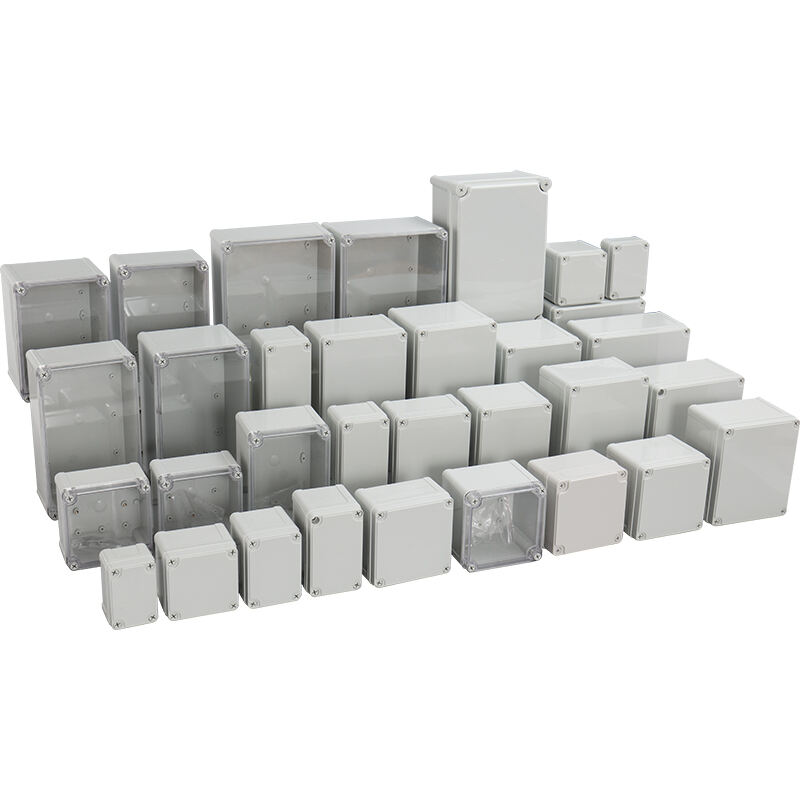
Modern construction projects demand materials that deliver exceptional value without compromising safety or durability. The plastic junction box represents a strategic investment that addresses multiple cost centers simultaneously, from initial procurement through installation and maintenance phases. These enclosures provide robust protection for electrical connections while offering significant savings compared to traditional metal alternatives. The financial benefits extend beyond simple material costs, encompassing labor efficiency, reduced maintenance requirements, and enhanced operational longevity.
Professional electricians and project managers increasingly recognize the economic advantages of specifying plastic junction box components for diverse applications. These benefits become particularly pronounced when considering large-scale installations where material quantities and labor hours directly impact overall project profitability. The strategic selection of plastic enclosures can result in substantial cost reductions while ensuring compliance with electrical codes and safety standards.
Material Cost Advantages
Initial Purchase Price Benefits
The most immediate cost benefit of selecting a plastic junction box lies in its competitive purchase price compared to metal alternatives. Manufacturing processes for plastic enclosures typically require less energy and raw material investment, resulting in lower production costs that translate directly to end-user savings. These price advantages become increasingly significant when procuring large quantities for commercial or industrial projects where budget constraints play a crucial role in material selection decisions.
Bulk purchasing opportunities further enhance the cost-effectiveness of plastic junction box procurement. Suppliers often provide substantial volume discounts that can reduce per-unit costs by significant margins, especially for standardized configurations commonly used in repetitive installations. The lightweight nature of plastic enclosures also reduces shipping and handling costs, contributing additional savings to the overall procurement budget.
Price stability represents another significant advantage of plastic junction box materials. Unlike metal enclosures subject to commodity price fluctuations, plastic components maintain more consistent pricing structures that facilitate accurate project budgeting and cost forecasting. This predictability allows contractors and facility managers to develop reliable cost estimates without the uncertainty associated with volatile metal markets.
Long-term Value Proposition
The durability characteristics of modern plastic junction box designs provide exceptional long-term value that extends far beyond initial purchase considerations. Advanced polymer formulations resist corrosion, UV degradation, and chemical exposure that can compromise metal enclosures over time. This resistance translates to extended service life and reduced replacement frequency, delivering substantial lifecycle cost benefits.
Warranty coverage for plastic junction box products often exceeds that offered for metal alternatives, providing additional financial protection and peace of mind. Manufacturers confident in their plastic enclosure designs frequently offer extended warranty periods that demonstrate product reliability while transferring potential replacement costs away from end users. These warranties represent tangible value that should be factored into total cost of ownership calculations.
The recyclability of plastic junction box materials also contributes to long-term cost benefits by reducing disposal expenses at end of service life. Many plastic enclosures can be recycled into new products, creating potential revenue streams or cost offsets that further enhance the overall value proposition. This sustainability aspect aligns with corporate environmental goals while providing practical financial benefits.
Installation Cost Savings
Labor Efficiency Improvements
Installation time represents a significant cost component in electrical projects, making the lightweight characteristics of plastic junction box units particularly valuable. Electricians can handle and position plastic enclosures more easily than heavy metal alternatives, reducing physical strain and improving installation efficiency. This improved handling translates directly to reduced labor hours and lower installation costs across all project phases.
The pre-engineered mounting features common in plastic junction box designs simplify installation procedures and reduce the need for specialized tools or hardware. Many plastic enclosures include integrated mounting tabs, knockouts, and cable entry points that streamline installation processes. These design features eliminate secondary operations and reduce the skill level required for proper installation, allowing contractors to utilize less experienced personnel for routine installation tasks.
Cutting and modification requirements for plastic junction box components typically involve standard tools available in most electrical toolkits. Unlike metal enclosures that may require specialized cutting equipment or welding capabilities, plastic units can be modified using common drilling, cutting, and filing tools. This accessibility reduces tool investment requirements and allows installations to proceed without delays associated with specialized equipment procurement or rental.
Reduced Preparation Requirements
The corrosion-resistant properties of plastic junction box materials eliminate the need for protective coatings or treatments required for metal enclosures in corrosive environments. This inherent protection reduces preparation time and eliminates coating material costs while ensuring long-term performance in challenging conditions. The time savings associated with eliminated preparation steps can be substantial in large-scale installations.
Grounding requirements for plastic junction box installations are often simplified compared to metal enclosures, reducing installation complexity and associated labor costs. While proper grounding remains essential for electrical safety, the non-conductive nature of plastic enclosures eliminates certain grounding considerations required for metal installations. This simplification reduces both material requirements and installation time.
The consistent dimensions and tolerances achieved in plastic junction box manufacturing reduce field fitting requirements and associated labor costs. Precision molding processes ensure reliable fit-up with standard electrical components, minimizing the need for field modifications or adjustments. This consistency allows electricians to work more efficiently and reduces the potential for installation delays or rework.
Maintenance and Operational Benefits
Reduced Maintenance Requirements
The maintenance advantages of plastic junction box installations provide substantial long-term cost savings through reduced service requirements and extended inspection intervals. The corrosion resistance inherent in plastic materials eliminates the periodic maintenance associated with metal enclosure protection systems. This resistance results in lower maintenance labor costs and reduced downtime for electrical systems housed within plastic enclosures.
Cleaning requirements for plastic junction box components are typically minimal and can be accomplished using standard cleaning solutions without special procedures or materials. The smooth surfaces common in plastic enclosures resist dirt and contaminant accumulation, reducing cleaning frequency and associated labor costs. This ease of maintenance particularly benefits installations in dusty or contaminated environments where regular cleaning is necessary.
The dimensional stability of quality plastic junction box products reduces the need for periodic adjustments or realignment that may be required with metal enclosures subject to thermal expansion and contraction. This stability translates to reduced maintenance intervention and associated costs over the operational life of electrical installations. The predictable performance characteristics allow maintenance schedules to be optimized for actual requirements rather than precautionary measures.
Enhanced Operational Reliability
The electrical insulation properties inherent in plastic junction box construction provide enhanced safety margins that reduce the risk of electrical faults and associated repair costs. These properties eliminate certain failure modes possible with metal enclosures, improving overall system reliability and reducing unplanned maintenance expenses. The improved reliability translates to reduced downtime costs and enhanced operational continuity.
Weather resistance characteristics of modern plastic junction box designs provide consistent performance across diverse environmental conditions without degradation that could compromise electrical connections. This consistency reduces the likelihood of weather-related failures and associated emergency repair costs. The predictable performance enables more accurate maintenance planning and budget forecasting.
The chemical resistance properties of plastic junction box materials provide protection against environmental contaminants that could cause premature failure in metal enclosures. This resistance extends operational life and reduces replacement frequency, delivering significant cost savings over the system lifecycle. The protection is particularly valuable in industrial environments where chemical exposure is common.
Environmental and Energy Efficiency
Thermal Performance Benefits
The thermal insulation properties of plastic junction box construction can contribute to energy efficiency in certain applications by reducing heat transfer between enclosed electrical components and surrounding environments. This thermal barrier effect can help maintain optimal operating temperatures for electrical equipment while reducing cooling loads in temperature-controlled environments. The energy savings, while modest, contribute to overall operational cost reductions over time.
The low thermal conductivity of plastic junction box materials reduces the formation of condensation within enclosures compared to metal alternatives that readily conduct heat and cold. This condensation control helps maintain dry conditions that protect electrical connections and reduce corrosion-related failures. The improved environmental control translates to enhanced reliability and reduced maintenance requirements.
Temperature stability characteristics of quality plastic junction box products ensure consistent dimensional performance across normal operating temperature ranges. This stability eliminates thermal stress issues that could affect seal integrity or mounting security in metal enclosures subject to significant thermal expansion. The improved stability reduces maintenance requirements and enhances long-term reliability.
Environmental Impact Considerations
The manufacturing energy requirements for plastic junction box production are typically lower than those required for metal enclosure fabrication, contributing to reduced environmental impact and potentially lower product costs. This energy efficiency in production processes aligns with sustainability goals while providing economic benefits that can be passed through to end users. The environmental benefits support corporate sustainability initiatives while delivering practical cost advantages.
The lightweight characteristics of plastic junction box products reduce transportation fuel consumption and associated costs compared to heavier metal alternatives. This reduction becomes significant when considering large-scale projects requiring substantial material quantities. The transportation efficiency contributes to both environmental goals and cost reduction objectives.
End-of-life recyclability of plastic junction box materials provides environmental benefits while potentially generating revenue or cost offsets through material recovery programs. Many plastic enclosures can be processed into new products, reducing waste disposal costs and supporting circular economy principles. This recyclability adds value to the total cost equation while supporting environmental stewardship.
Application-Specific Cost Benefits
Industrial Environment Advantages
Industrial applications present unique challenges where the cost benefits of plastic junction box installations become particularly pronounced. The chemical resistance properties of plastic materials eliminate the need for specialized protective coatings required for metal enclosures in corrosive industrial environments. This elimination reduces both initial treatment costs and ongoing maintenance expenses associated with coating renewal and repair.
The electrical insulation properties of plastic junction box construction provide enhanced safety in industrial environments where electrical hazards pose significant risks. This improved safety reduces the potential for accidents and associated costs including workers compensation claims, production downtime, and regulatory compliance issues. The safety benefits represent substantial risk mitigation value that should be considered in total cost analyses.
Food processing and pharmaceutical applications benefit significantly from the non-porous surfaces common in plastic junction box designs that resist bacterial growth and facilitate thorough cleaning. These characteristics reduce cleaning time and material costs while ensuring compliance with stringent hygiene standards. The improved cleanability translates to operational efficiency and reduced compliance costs in regulated industries.
Outdoor Installation Benefits
Outdoor electrical installations benefit from the UV resistance built into quality plastic junction box products, eliminating the degradation and maintenance issues associated with metal enclosures exposed to solar radiation. This UV protection extends service life and reduces replacement frequency, delivering substantial long-term cost savings. The protection is particularly valuable in sunny climates where UV exposure is intense and constant.
The corrosion resistance of plastic junction box materials eliminates the ongoing maintenance and eventual replacement costs associated with metal enclosures in outdoor environments where moisture and salt exposure accelerate corrosion. This resistance is particularly valuable in coastal areas where salt air rapidly degrades metal components. The extended service life provides significant cost advantages over the installation lifecycle.
Weather sealing characteristics of modern plastic junction box designs provide reliable protection against moisture ingress without the gasket replacement requirements common with metal enclosures. The integral sealing properties reduce maintenance requirements and associated costs while ensuring consistent protection performance. This reliability reduces the risk of weather-related failures and emergency repair costs.
FAQ
How do plastic junction boxes compare to metal alternatives in terms of total cost of ownership
Plastic junction boxes typically provide lower total cost of ownership through reduced initial purchase prices, simplified installation requirements, minimal maintenance needs, and extended service life in many applications. While metal enclosures may have higher upfront costs, plastic alternatives deliver savings through reduced labor costs, eliminated protective coating requirements, and decreased maintenance intervals. The cost advantages become more pronounced over longer time horizons and in challenging environmental conditions where corrosion resistance provides significant value.
What factors should be considered when calculating the cost benefits of plastic junction boxes
Comprehensive cost benefit analysis should include initial material costs, installation labor requirements, ongoing maintenance expenses, expected service life, environmental operating conditions, and regulatory compliance requirements. Additional factors include transportation costs, bulk purchase discounts, warranty coverage, energy efficiency impacts, and end-of-life disposal or recycling value. The analysis should consider both direct costs and indirect benefits such as improved reliability, reduced downtime, and enhanced safety performance that contribute to overall value proposition.
Are there specific applications where plastic junction boxes provide the greatest cost advantages
Plastic junction boxes provide maximum cost benefits in corrosive environments, outdoor installations, food processing facilities, chemical plants, coastal areas, and applications requiring frequent cleaning or sanitization. These challenging conditions highlight the corrosion resistance, weather protection, and chemical compatibility advantages of plastic materials while minimizing the maintenance and replacement costs associated with metal alternatives. The cost benefits are also significant in high-volume installations where material and labor cost differences compound across multiple units.
How does the warranty coverage for plastic junction boxes impact overall cost considerations
Extended warranty coverage common with quality plastic junction boxes provides financial protection that reduces total cost of ownership risk while demonstrating manufacturer confidence in product reliability. Longer warranty periods transfer potential replacement costs from users to manufacturers, providing budget predictability and risk mitigation value. The warranty coverage should be factored into lifecycle cost calculations as tangible financial protection that enhances the overall value proposition of plastic junction box investments compared to alternatives with shorter warranty periods.
Table of Contents
- Material Cost Advantages
- Installation Cost Savings
- Maintenance and Operational Benefits
- Environmental and Energy Efficiency
- Application-Specific Cost Benefits
-
FAQ
- How do plastic junction boxes compare to metal alternatives in terms of total cost of ownership
- What factors should be considered when calculating the cost benefits of plastic junction boxes
- Are there specific applications where plastic junction boxes provide the greatest cost advantages
- How does the warranty coverage for plastic junction boxes impact overall cost considerations