
 EN
EN



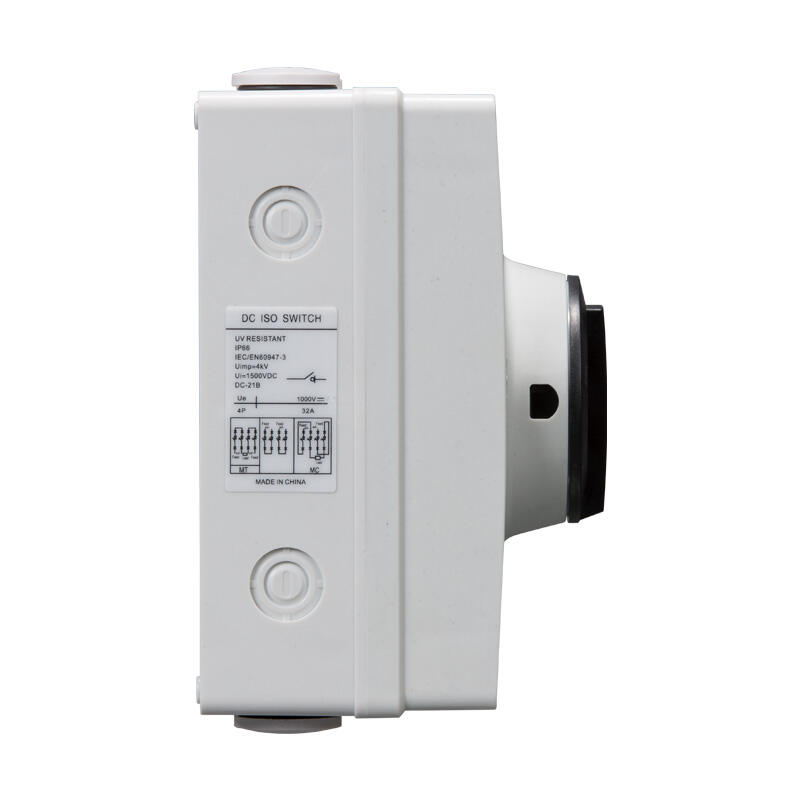
Designing an effective layout for a plastic distribution box requires careful consideration of electrical requirements, safety standards, and practical installation needs. A well-planned plastic distribution box serves as the central hub for electrical distribution in residential, commercial, and industrial applications. The layout design process involves analyzing load requirements, component spacing, accessibility, and future expansion possibilities to ensure optimal performance and safety.
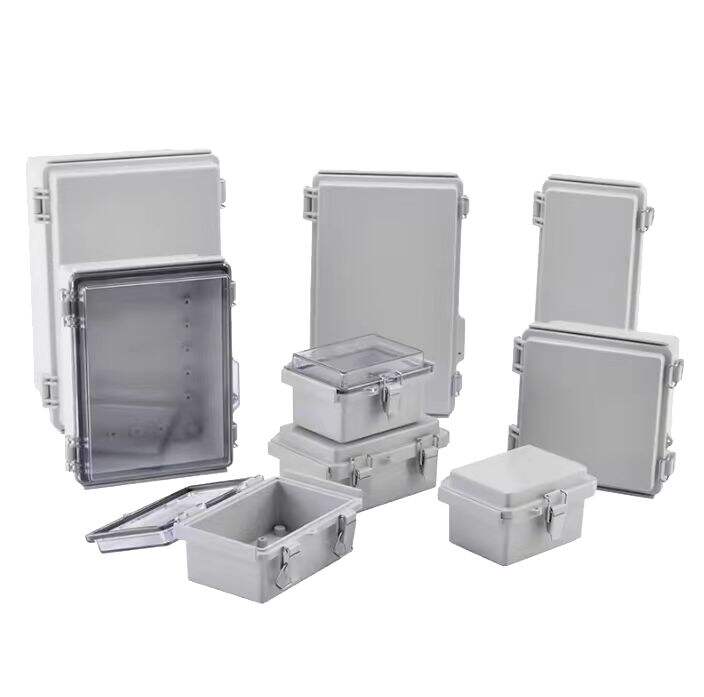
Understanding Plastic Distribution Box Requirements
Load Analysis and Circuit Planning
Before designing the layout for any plastic distribution box, conducting a comprehensive load analysis is essential. This analysis determines the total electrical demand, individual circuit requirements, and the appropriate sizing for protective devices. Engineers must calculate the maximum current load for each circuit while considering diversity factors and future expansion needs. The plastic distribution box must accommodate all necessary circuit breakers, contactors, and control devices while maintaining proper spacing for heat dissipation and accessibility.
Circuit planning involves organizing electrical loads into logical groups based on function, location, or operational requirements. Essential circuits such as lighting, power outlets, and critical equipment should be distributed across different phases to maintain load balance. The layout design must consider the physical arrangement of components within the plastic distribution box to ensure efficient wiring paths and minimize interference between circuits.
Safety Standards and Code Compliance
Safety compliance forms the foundation of any plastic distribution box design. National and international electrical codes specify minimum clearances, working space requirements, and protection standards that must be incorporated into the layout. The plastic distribution box must provide adequate space for safe installation, maintenance, and operation of all electrical components while protecting against electrical hazards.
Code compliance includes proper grounding arrangements, fault protection, and emergency disconnect capabilities. The layout design must ensure that all components are properly rated for their intended application and that protective devices are coordinated to provide selective operation during fault conditions. Regular updates to electrical codes require designers to stay informed about current requirements and incorporate new safety features into plastic distribution box layouts.
Layout Design Principles
Component Arrangement and Spacing
Effective component arrangement within a plastic distribution box follows established engineering principles that prioritize safety, accessibility, and maintenance requirements. Main disconnect devices should be positioned at the top or front of the enclosure for easy access during emergency situations. Circuit protection devices are typically arranged in logical groupings that correspond to the electrical system hierarchy and load distribution patterns.
Proper spacing between components ensures adequate clearance for installation, operation, and maintenance activities. The plastic distribution box layout must provide sufficient space for cable entry, termination, and routing while maintaining the required electrical clearances specified in applicable codes. Heat-generating components should be positioned to allow natural convection cooling and prevent thermal interference with sensitive control devices.
Wire Management and Cable Routing
Systematic wire management is crucial for maintaining organization and accessibility within a plastic distribution box. The layout design should include designated pathways for incoming feeders, outgoing branch circuits, and control wiring. Cable routing must minimize crossovers and maintain separation between power and control circuits to prevent electromagnetic interference and simplify troubleshooting procedures.
Proper cable entry provisions ensure weather-tight sealing and strain relief for all conductors entering the plastic distribution box. The layout must accommodate various cable sizes and types while maintaining the enclosure's environmental rating. Wire management systems such as cable ties, conduits, and wire ways help maintain neat installations and facilitate future modifications or additions to the electrical system.
Environmental Considerations
Weather Resistance and IP Ratings
Environmental protection requirements significantly influence the layout design of outdoor or industrial plastic distribution box installations. The enclosure must provide appropriate ingress protection against dust, moisture, and other environmental hazards based on the installation location and operating conditions. Layout designs must accommodate sealing requirements for cable entries, access panels, and component mounting while maintaining the specified IP rating.
Weather resistance features include proper drainage provisions, ventilation arrangements, and corrosion-resistant hardware. The plastic distribution box layout must consider thermal expansion effects and provide adequate clearances to prevent binding or seal failure during temperature cycling. Material selection and component placement should minimize the impact of environmental stresses on system reliability and longevity.
Thermal Management
Effective thermal management is essential for maintaining component reliability and extending service life in any plastic distribution box installation. The layout design must consider heat generation from various components and provide adequate ventilation or cooling arrangements. Natural convection cooling requires proper component spacing and ventilation openings positioned to promote air circulation throughout the enclosure.
High-power components should be positioned to minimize thermal effects on temperature-sensitive devices such as electronic controls or communication equipment. The plastic distribution box layout may include heat sinks, ventilation fans, or air conditioning systems for applications with high power density or extreme environmental conditions. Thermal analysis helps optimize component placement and cooling system design for specific operating requirements.
Installation and Maintenance Access
Working Space Requirements
Adequate working space around and within the plastic distribution box is mandatory for safe installation, operation, and maintenance activities. Electrical codes specify minimum clearances based on voltage levels and equipment configurations that must be incorporated into the overall system design. The layout must provide clear access to all components requiring periodic inspection, testing, or replacement during normal maintenance procedures.
Working space requirements include both horizontal and vertical clearances that allow technicians to safely perform necessary tasks. The plastic distribution box layout should minimize the need for special tools or equipment to access routine maintenance points. Proper lighting and clear labeling enhance safety and efficiency during maintenance operations, while lockout/tagout provisions ensure worker protection during electrical work.
Accessibility and Ergonomics
Ergonomic considerations in plastic distribution box layout design improve safety and efficiency for installation and maintenance personnel. Component placement should minimize reaching, stretching, or awkward positioning during routine operations. Frequently accessed controls and indicators should be positioned at comfortable working heights and angles to reduce fatigue and improve accuracy.
Clear sight lines to status indicators, meters, and control devices enable quick assessment of system conditions without requiring physical manipulation of other components. The plastic distribution box layout should accommodate personnel of various heights and physical capabilities while maintaining safety clearances and operational requirements. Universal design principles help ensure accessibility for all qualified personnel regardless of individual limitations.
Quality Assurance and Testing
Design Validation Methods
Comprehensive design validation ensures that the plastic distribution box layout meets all performance, safety, and reliability requirements before implementation. Computer-aided design tools enable detailed modeling and analysis of component arrangements, thermal effects, and electromagnetic compatibility. Virtual prototyping allows designers to identify potential issues and optimize layouts before physical construction begins.
Design reviews involving multidisciplinary teams help identify potential problems and improvement opportunities early in the development process. Standardized checklists ensure that all design requirements are properly addressed and documented. The validation process should include verification of code compliance, safety features, and operational functionality under various operating conditions anticipated for the specific application.
Performance Testing and Verification
Thorough testing of the completed plastic distribution box installation verifies proper operation and compliance with design specifications. Electrical testing includes insulation resistance measurements, continuity checks, and protective device coordination verification. Environmental testing may be required to confirm ingress protection ratings and thermal performance under specified operating conditions.
Performance verification includes functional testing of all circuits, control systems, and safety features incorporated into the plastic distribution box design. Documentation of test results provides baseline data for future maintenance and troubleshooting activities. Regular retesting ensures continued compliance with safety standards and optimal system performance throughout the equipment service life.
Future Expansion and Modifications
Scalability Planning
Forward-thinking plastic distribution box designs incorporate provisions for future expansion and system modifications. Scalability planning involves reserving space and capacity for additional circuits, upgraded components, or enhanced functionality that may be required as operational needs evolve. Modular design approaches facilitate incremental expansion without major system disruptions or costly rebuilds.
Expansion planning must consider both electrical capacity and physical space requirements for future additions. The initial plastic distribution box layout should include spare conduit entries, reserved panel space, and adequate feeder capacity to accommodate anticipated growth. Documentation of expansion capabilities helps facility managers plan future upgrades and budget for electrical system enhancements.
Upgrade Compatibility
Technology evolution requires plastic distribution box designs that can accommodate upgraded components and enhanced functionality without complete system replacement. Standardized mounting arrangements and wiring interfaces facilitate component upgrades while maintaining system compatibility. The layout design should consider emerging technologies and communication requirements that may be integrated in future system upgrades.
Compatibility planning includes provisions for smart grid technologies, energy monitoring systems, and advanced protection devices that may enhance system capabilities and efficiency. The plastic distribution box layout must provide adequate space and connectivity for these enhancements while maintaining existing system functionality. Regular technology assessments help identify upgrade opportunities and ensure continued system relevance and effectiveness.
FAQ
What are the key factors to consider when selecting the size of a plastic distribution box?
The size selection for a plastic distribution box depends on several critical factors including the number and size of circuit breakers required, cable entry requirements, working space clearances, and future expansion needs. Calculate the total panel space needed for all protective devices and add 25-30% spare capacity for future additions. Consider the physical dimensions of incoming feeders and outgoing branch circuits to ensure adequate wire bending space and proper termination access. Environmental conditions and mounting requirements may also influence size selection to accommodate additional sealing or structural support features.
How do you ensure proper ventilation in a plastic distribution box design?
Proper ventilation in a plastic distribution box requires strategic placement of intake and exhaust openings to promote natural air circulation while maintaining environmental protection. Position intake vents at the bottom of the enclosure and exhaust vents at the top to utilize natural convection effects. Size ventilation openings based on heat load calculations and ensure adequate screen protection to maintain ingress protection ratings. Consider forced ventilation with fans or air conditioning for high-power applications or extreme environmental conditions. Always verify that ventilation provisions comply with applicable electrical codes and environmental protection requirements.
What safety clearances must be maintained within a plastic distribution box?
Safety clearances within a plastic distribution box must comply with national electrical codes and industry standards based on voltage levels and equipment types. Maintain minimum phase-to-phase and phase-to-ground clearances as specified for the operating voltage. Provide adequate working space in front of live parts, typically 36 inches minimum for equipment up to 600 volts. Ensure proper spacing between components for heat dissipation and maintenance access. All clearances must account for conductor insulation requirements, fault current considerations, and environmental factors that may affect insulation integrity over time.
How can smart technology be integrated into plastic distribution box layouts?
Smart technology integration in plastic distribution box layouts requires planning for communication infrastructure, power supplies for electronic devices, and adequate space for monitoring equipment. Include provisions for network connectivity through ethernet, wireless, or power line communication systems. Reserve panel space and power capacity for smart breakers, energy monitors, and control devices. Consider electromagnetic compatibility requirements and provide proper grounding and shielding for sensitive electronic components. Plan cable management systems that separate power and communication wiring while maintaining accessibility for installation and maintenance of smart devices. Future-proof designs should accommodate emerging IoT technologies and expanded monitoring capabilities.
Table of Contents
- Understanding Plastic Distribution Box Requirements
- Layout Design Principles
- Environmental Considerations
- Installation and Maintenance Access
- Quality Assurance and Testing
- Future Expansion and Modifications
-
FAQ
- What are the key factors to consider when selecting the size of a plastic distribution box?
- How do you ensure proper ventilation in a plastic distribution box design?
- What safety clearances must be maintained within a plastic distribution box?
- How can smart technology be integrated into plastic distribution box layouts?