
 EN
EN



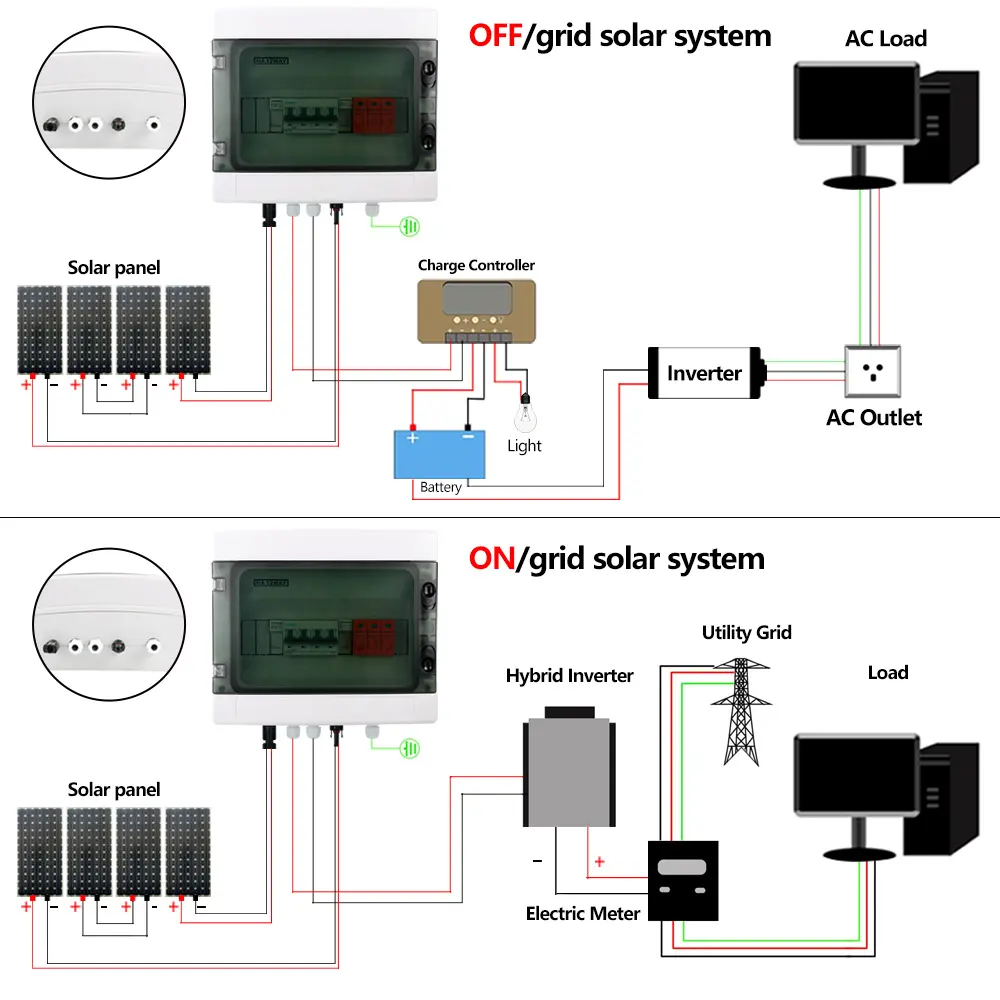
Large-scale solar farms represent one of the most promising solutions for meeting global energy demands while reducing carbon emissions. These massive installations often span hundreds of acres and generate substantial amounts of electricity from thousands of photovoltaic panels. However, managing and consolidating the electrical output from numerous solar strings requires sophisticated equipment that ensures both safety and efficiency. A pv combiner box serves as a crucial component in this process, acting as the central hub where multiple DC strings are combined before being sent to inverters for conversion to AC power.

The integration of multiple solar strings into a single output requires careful consideration of electrical parameters, safety protocols, and monitoring capabilities. Modern pv combiner box units provide essential protection features including overcurrent protection, surge protection, and isolation capabilities that safeguard both equipment and personnel. Without proper string combining infrastructure, large-scale solar installations would face significant challenges in terms of wiring complexity, maintenance accessibility, and overall system reliability.
Understanding the vital role of combiner boxes becomes increasingly important as solar farm projects continue to grow in size and complexity. These installations must operate reliably for decades while maintaining optimal performance levels and providing safe access for maintenance teams. The selection and implementation of appropriate combining solutions directly impact the long-term success and profitability of utility-scale solar projects.
Essential Functions of PV Combiner Boxes
String Consolidation and Power Management
The primary function of a pv combiner box involves consolidating multiple DC strings from solar panels into fewer, higher-current outputs. This consolidation process reduces the number of cables required between the solar array and the power conversion equipment. Large solar farms typically contain hundreds or thousands of individual strings, each carrying approximately 8-12 amperes of current under normal operating conditions.
By combining multiple strings within a single enclosure, the pv combiner box significantly reduces installation complexity and material costs. Instead of running individual cables from each string to the central inverter station, installers can use fewer, larger conductors to carry the combined current. This approach minimizes voltage drop across long cable runs and improves overall system efficiency.
Power management within the combiner box also includes monitoring individual string performance through integrated current sensors and voltage measurements. This capability allows operators to identify underperforming strings quickly and schedule appropriate maintenance activities without affecting the entire array's operation.
Safety and Protection Features
Safety considerations represent another critical aspect of pv combiner box functionality in large-scale installations. These units incorporate multiple layers of protection including fused inputs for each string, surge protection devices, and main circuit breakers that allow for safe isolation during maintenance activities. The fusing system protects against overcurrent conditions that could result from string faults or reverse current flow.
Ground fault detection and interruption capabilities built into modern combiner boxes provide additional safety measures by monitoring insulation integrity and automatically disconnecting faulty circuits. This feature is particularly important in large installations where personnel may be working on different sections of the array simultaneously.
Environmental protection through appropriate enclosure ratings ensures reliable operation in harsh outdoor conditions. NEMA 4X or IP65 rated enclosures protect internal components from moisture, dust, and corrosive elements while maintaining accessibility for routine inspections and maintenance activities.
Design Considerations for Large-Scale Applications
Scalability and Modular Configuration
Large-scale solar farms require pv combiner box solutions that can accommodate varying array sizes and configurations while maintaining design flexibility. Modular combiner box designs allow system designers to select appropriate input quantities based on specific project requirements. Standard configurations typically range from 6 to 16 inputs per combiner, with some specialized units accommodating up to 24 string inputs.
Scalability considerations also extend to future expansion capabilities, where additional combiner boxes can be integrated into existing installations without significant infrastructure modifications. This flexibility proves valuable for phased construction projects or facilities planning future capacity increases.
The physical layout and mounting options for pv combiner box installations must accommodate both current installation requirements and future maintenance access needs. Ground-mounted pedestals, concrete pads, and pole-mounting systems each offer distinct advantages depending on site conditions and operational preferences.
Monitoring and Data Collection Capabilities
Advanced monitoring capabilities integrated into modern pv combiner box designs provide valuable operational data for large-scale solar farms. String-level current monitoring allows operators to track individual string performance and identify potential issues before they impact overall system performance. This granular monitoring capability proves essential for maintaining optimal energy production across large arrays.
Communication interfaces including RS485, Ethernet, and wireless connectivity options enable remote monitoring and control of combiner box functions. These communication capabilities integrate with supervisory control and data acquisition systems to provide comprehensive facility monitoring from central control rooms.
Data logging features within the pv combiner box create historical performance records that support predictive maintenance programs and system optimization efforts. This information helps operators identify long-term trends and plan appropriate maintenance activities to maximize system uptime.
Installation and Maintenance Benefits
Reduced Installation Complexity
The implementation of pv combiner box systems significantly reduces installation complexity in large-scale solar projects by minimizing the number of individual cable runs required between solar arrays and power conversion equipment. This reduction translates to substantial labor savings during construction and fewer potential points of failure in the completed installation.
Standardized wiring configurations within combiner boxes simplify the installation process and reduce the likelihood of wiring errors that could impact system performance or safety. Pre-fabricated harnesses and clearly labeled connection points help ensure proper string connections while minimizing installation time.
The centralized nature of string combining also facilitates more efficient cable management and routing throughout the solar farm. Dedicated cable trays and conduit systems can be designed to accommodate the reduced number of output cables, resulting in cleaner installations with improved accessibility for future maintenance activities.
Enhanced Maintenance Accessibility
Maintenance accessibility represents a crucial consideration in large-scale solar installations where routine inspections and component replacements must be performed efficiently to minimize system downtime. Pv combiner box installations provide centralized access points where maintenance personnel can quickly assess string performance and isolate specific circuits for service.
The ability to isolate individual strings through dedicated switches and fuses within the combiner box allows maintenance teams to work on specific sections of the array without affecting overall system operation. This capability proves particularly valuable during scheduled maintenance activities or when addressing isolated equipment failures.
Standardized combiner box designs also simplify spare parts inventory management and maintenance training requirements. Technicians can become proficient with specific combiner box models and apply their knowledge across multiple installations, improving maintenance efficiency and reducing training costs.
Economic Impact on Project Development
Cost Reduction Through Design Optimization
The economic benefits of implementing pv combiner box systems in large-scale solar projects extend beyond simple material cost savings. These systems enable significant reductions in both copper usage and installation labor through more efficient cable management and reduced wiring complexity. The consolidation of multiple string circuits into fewer output cables reduces the total conductor length required by substantial margins.
Labor cost reductions result from streamlined installation procedures and fewer connection points that require individual termination and testing. Experienced installation crews can complete combiner box connections more efficiently than individual string terminations, leading to faster project completion times and reduced overall construction costs.
The standardization benefits of pv combiner box systems also contribute to cost predictability in large-scale projects. Standard configurations and proven designs reduce engineering time and minimize the risk of costly design changes during construction phases.
Long-term Operational Savings
Long-term operational benefits of pv combiner box implementation include reduced maintenance costs through improved accessibility and diagnostic capabilities. The centralized monitoring features enable predictive maintenance programs that help prevent costly equipment failures and extend overall system life.
Insurance and warranty considerations also favor installations with proper combiner box systems due to enhanced safety features and protection capabilities. These factors can result in reduced insurance premiums and improved warranty coverage terms that provide additional long-term value to project owners.
Energy production optimization through improved string monitoring and faster fault resolution capabilities contributes to higher overall system performance ratios. This improved performance translates directly to increased revenue generation over the project's operational lifetime.
Technical Specifications and Standards Compliance
Industry Standards and Certification Requirements
Compliance with applicable industry standards represents a fundamental requirement for pv combiner box installations in large-scale solar projects. The National Electrical Code and International Electrotechnical Commission standards provide specific requirements for combiner box design, installation, and performance characteristics that must be met to ensure safe and reliable operation.
UL 508A listing requirements for industrial control panels apply to many combiner box designs, ensuring that internal components and wiring methods meet established safety standards. This certification process includes evaluation of overcurrent protection coordination, environmental suitability, and construction methods.
Environmental testing requirements verify that pv combiner box enclosures can withstand temperature cycling, humidity exposure, salt spray, and other environmental stresses encountered in outdoor installations. These testing protocols ensure long-term reliability in diverse climate conditions.
Performance Parameters and Ratings
Key performance parameters for pv combiner box systems include current handling capacity, voltage ratings, and short-circuit current ratings that must align with the specific requirements of each solar installation. Input current ratings typically range from 15 to 20 amperes per string, while output ratings can accommodate combined currents of several hundred amperes.
Voltage ratings must accommodate the maximum system voltage including temperature coefficients and open-circuit voltage conditions. Most utility-scale installations operate at 1000V or 1500V DC system voltages, requiring combiner boxes rated for these operating levels with appropriate safety margins.
Short-circuit current ratings ensure that pv combiner box components can safely interrupt fault currents without creating additional hazards. These ratings must consider the maximum available fault current from the connected solar array under worst-case irradiance conditions.
FAQ
What is the typical lifespan of a pv combiner box in utility-scale installations
A properly designed and installed pv combiner box typically operates reliably for 20-25 years in utility-scale solar installations when subjected to appropriate maintenance practices. The enclosure and internal components are engineered to withstand outdoor environmental conditions including temperature cycling, moisture exposure, and UV radiation. Regular maintenance including inspection of connections, replacement of consumable components like fuses, and verification of protection device operation helps ensure maximum service life.
How many solar strings can a single combiner box accommodate
Standard pv combiner box configurations typically accommodate between 6 and 16 individual solar strings, though specialized designs can handle up to 24 strings in a single enclosure. The optimal number depends on several factors including string current levels, total combined current rating, physical space constraints, and maintenance accessibility requirements. Large-scale installations often use multiple combiner boxes distributed throughout the solar array to minimize cable runs and optimize system layout.
What maintenance activities are required for combiner box systems
Regular maintenance for pv combiner box systems includes visual inspection of enclosure integrity, verification of connection tightness, testing of protection devices, and cleaning of ventilation screens or fans. String fuses should be inspected periodically and replaced when blown, while surge protection devices require testing and replacement according to manufacturer specifications. Monitoring system calibration and communication interface testing ensure continued accurate performance data collection.
Can combiner boxes be retrofitted into existing solar installations
Retrofitting pv combiner box systems into existing solar installations is possible but requires careful evaluation of existing wiring configurations, available space, and electrical system compatibility. The retrofit process typically involves reconfiguring string connections, installing new combiners at strategic locations, and updating monitoring systems to accommodate the new architecture. While retrofits can provide benefits in terms of improved monitoring and maintenance access, the cost-effectiveness depends on the specific installation characteristics and operational requirements.