
 EN
EN



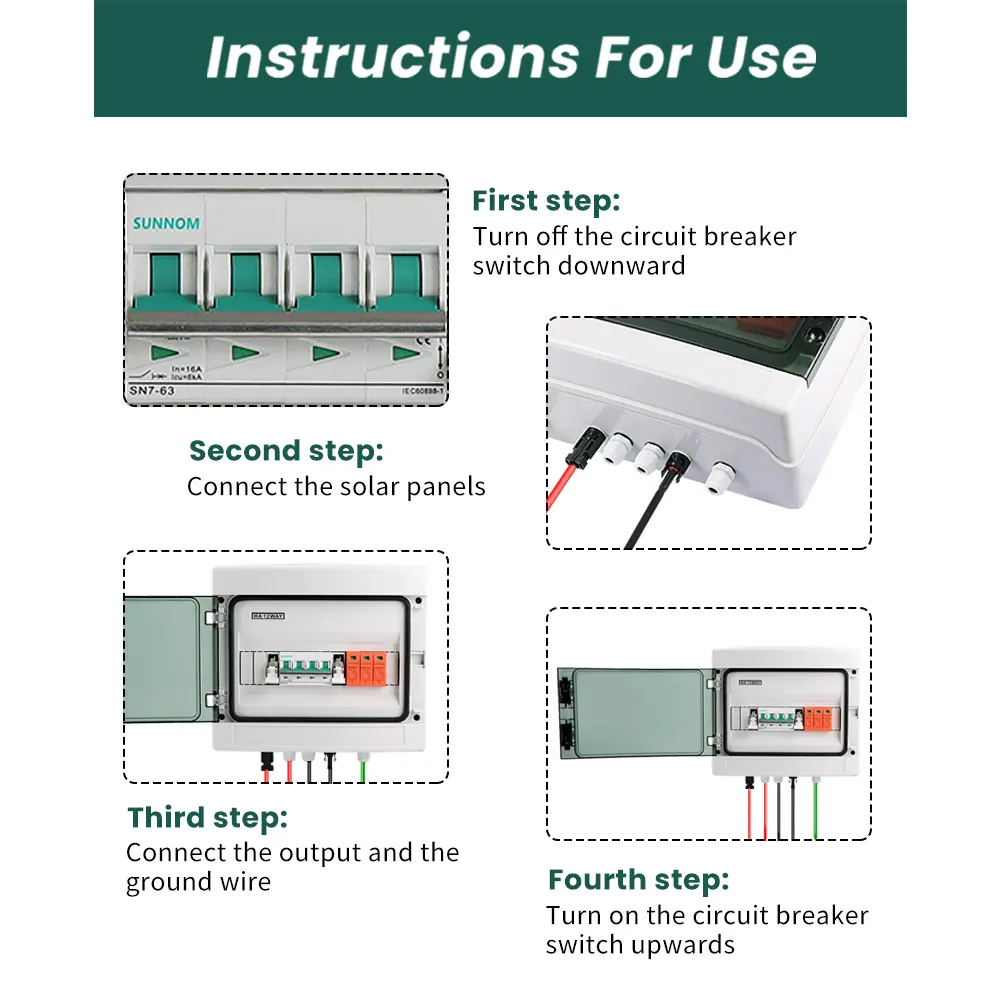
Solar energy systems require precise electrical components to ensure safe and efficient operation, with the pv combiner box serving as a critical junction point that consolidates multiple photovoltaic array outputs. Understanding the safety standards that govern these essential devices helps system designers, installers, and facility managers make informed decisions about equipment selection and installation practices. Modern solar installations depend on reliable electrical infrastructure, and combiner boxes represent one of the most important safety interfaces between solar panels and the broader electrical system.
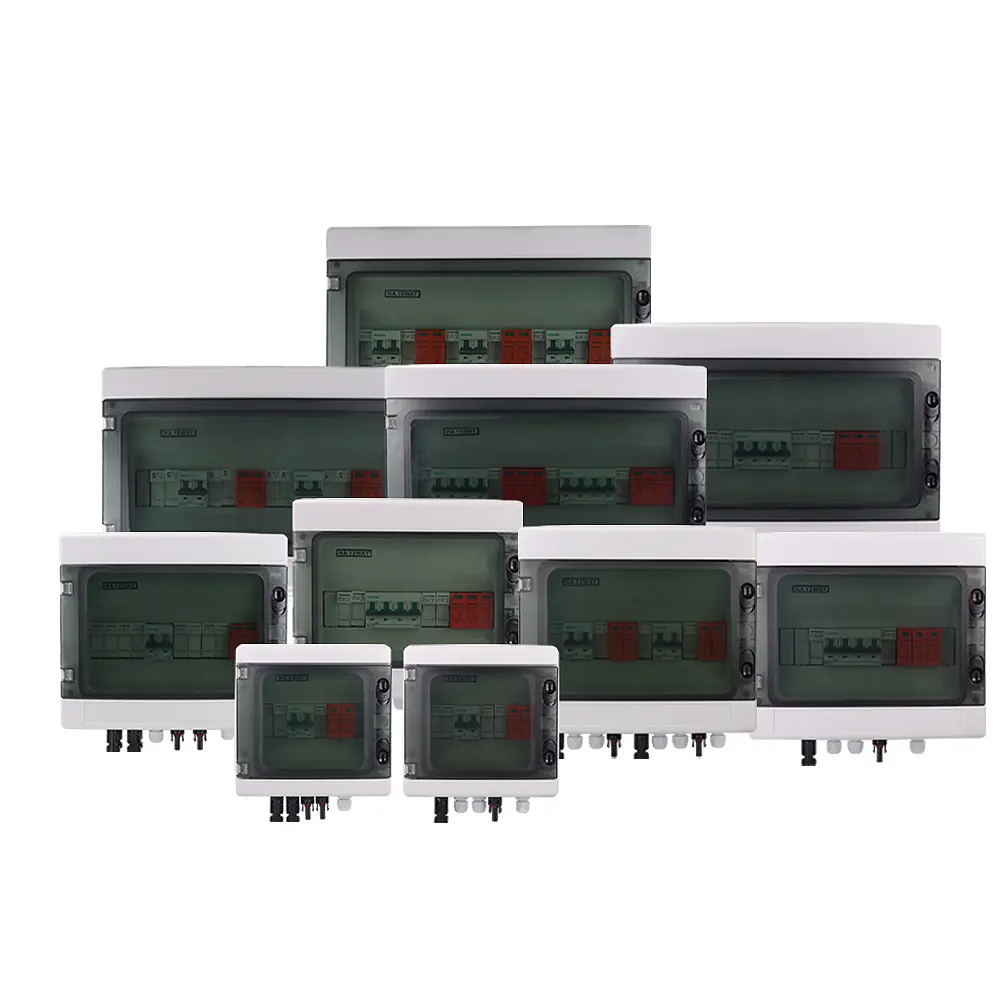
The electrical safety requirements for photovoltaic systems have evolved significantly as the industry has matured, leading to comprehensive standards that address everything from component materials to installation procedures. Each pv combiner box must undergo rigorous testing to verify its ability to handle the unique electrical characteristics of solar power generation. These testing protocols examine thermal performance, electrical isolation, environmental resistance, and mechanical durability under various operating conditions that reflect real-world deployment scenarios.
International certification bodies have established detailed frameworks for evaluating combiner box performance, ensuring that devices meet minimum safety thresholds before reaching commercial markets. The certification process involves extensive laboratory testing, field validation studies, and ongoing quality assurance measures that protect both installers and end users. Manufacturers must demonstrate compliance with multiple safety criteria, including proper grounding systems, arc fault protection capabilities, and robust enclosure designs that prevent electrical hazards.
Fundamental Electrical Safety Requirements
Overcurrent Protection Standards
Every quality pv combiner box incorporates sophisticated overcurrent protection mechanisms designed to prevent electrical faults from escalating into dangerous situations. These protection systems must respond rapidly to abnormal current conditions while maintaining stable operation during normal solar energy production cycles. The overcurrent devices typically include fuses or circuit breakers rated specifically for direct current applications, as DC electrical characteristics differ significantly from alternating current systems found in conventional electrical installations.
Current rating specifications for combiner box protection devices must align with the maximum expected output from connected solar panels, accounting for environmental factors that can influence electrical generation. Temperature variations, solar irradiance levels, and aging panel characteristics all affect the electrical output that flows through combiner box circuits. Safety standards require that protection devices activate before current levels reach potentially hazardous thresholds, while avoiding nuisance tripping that could interrupt legitimate power generation.
The coordination between different protection levels ensures that local faults isolate properly without affecting other parts of the solar array system. This selective coordination principle requires careful analysis of protection device characteristics and proper sizing for specific installation requirements. Modern pv combiner box designs incorporate monitoring capabilities that provide real-time information about protection device status and electrical performance metrics.
Grounding and Bonding Compliance
Proper grounding represents one of the most critical safety aspects of any electrical system, and solar installations present unique challenges due to their outdoor exposure and distributed nature. A compliant pv combiner box must provide reliable grounding connections for both equipment grounding and system grounding requirements. Equipment grounding protects personnel from electrical shock hazards, while system grounding ensures proper operation of overcurrent protection devices and limits voltage stress on system components.
The grounding electrode system connection typically routes through the combiner box, requiring robust conductor sizing and corrosion-resistant connection methods. Bonding jumpers within the enclosure must maintain electrical continuity even under thermal cycling conditions that cause expansion and contraction of metallic components. Quality combiner boxes include dedicated grounding terminals with proper torque specifications and anti-corrosion treatments that ensure long-term electrical integrity.
Grounding system verification procedures include resistance measurements and continuity testing that confirm proper installation and ongoing performance. These testing protocols help identify potential problems before they compromise system safety or reliability. Regular maintenance of grounding connections becomes essential for installations in corrosive environments or areas subject to mechanical vibration that could loosen electrical connections over time.
Environmental Protection and Enclosure Standards
Weather Resistance Specifications
Solar installations operate in challenging outdoor environments that expose electrical equipment to temperature extremes, moisture, ultraviolet radiation, and atmospheric pollutants. The enclosure of a quality pv combiner box must provide comprehensive protection against these environmental stressors while maintaining accessibility for maintenance and inspection activities. Weather resistance testing simulates decades of exposure through accelerated aging protocols that verify material durability and seal integrity.
Ingress protection ratings define the level of protection against solid particles and liquid intrusion, with higher ratings indicating better environmental sealing. Most solar combiner boxes require IP65 or higher protection ratings to ensure reliable operation in outdoor installations. The sealing systems must accommodate thermal expansion and contraction cycles without compromising protection effectiveness, requiring careful selection of gasket materials and seal designs.
Ultraviolet resistance becomes particularly important for enclosure materials exposed to direct sunlight over extended periods. Plastic components require UV stabilizers or protective coatings to prevent degradation that could compromise mechanical strength or electrical insulation properties. Metal enclosures need corrosion-resistant finishes that maintain protective integrity throughout the expected service life of the solar installation.
Temperature Management and Thermal Performance
Effective thermal management ensures that electrical components within the pv combiner box operate within safe temperature ranges despite varying ambient conditions and internal heat generation. Thermal design considerations include enclosure ventilation, component spacing, heat dissipation paths, and thermal isolation between sensitive components. Proper thermal management extends component life while maintaining electrical performance and safety margins.
Temperature cycling testing evaluates the ability of combiner box assemblies to withstand repeated heating and cooling cycles that occur naturally in outdoor installations. These thermal stress tests identify potential failure modes related to differential thermal expansion, solder joint reliability, and insulation system degradation. Quality combiner boxes maintain electrical integrity and mechanical stability throughout specified temperature ranges that reflect actual installation conditions.
Heat dissipation calculations must account for maximum expected ambient temperatures plus internal heating from electrical losses and solar radiation absorption by the enclosure. Convective cooling through ventilation openings requires careful design to prevent moisture intrusion while providing adequate airflow. Some advanced combiner box designs incorporate active cooling systems or enhanced heat sink configurations for high-power applications.
Electrical Isolation and Arc Fault Protection
Insulation Coordination Principles
Electrical insulation systems in photovoltaic combiner boxes must withstand both normal operating voltages and transient overvoltages that can occur during fault conditions or lightning events. Insulation coordination involves selecting appropriate insulation levels for different parts of the electrical system based on expected voltage stresses and required safety margins. The pv combiner box design must account for altitude effects, pollution levels, and moisture conditions that influence insulation performance.
Creepage and clearance distances define the minimum spacing required between conductive elements at different electrical potentials to prevent flashover or tracking failures. These distances vary based on pollution degree, material group classifications, and voltage levels present in the system. Quality combiner boxes provide generous spacing margins that exceed minimum requirements to ensure reliable operation under adverse conditions.
Insulation testing protocols verify the ability of electrical barriers to withstand specified test voltages without breakdown or degradation. These high-potential tests apply voltages significantly higher than normal operating levels to confirm adequate safety margins. Partial discharge testing detects insulation defects that might not cause immediate failure but could lead to premature aging or reliability problems.
Arc Fault Detection and Interruption
Arc fault protection represents an increasingly important safety requirement for photovoltaic systems, as electrical arcs can ignite fires or cause severe equipment damage. Modern pv combiner box designs often incorporate arc fault circuit interrupters that monitor electrical signatures associated with dangerous arcing conditions. These protective devices must distinguish between harmful arcs and normal switching or operational transients that occur during routine system operation.
Arc fault detection algorithms analyze current and voltage waveforms to identify characteristic patterns that indicate arcing faults. The detection sensitivity must balance rapid response to genuine hazards against false triggering from normal system transients or electromagnetic interference. Advanced arc fault protection systems include communication capabilities that provide detailed information about fault locations and characteristics to support troubleshooting efforts.
Integration of arc fault protection with other safety systems creates comprehensive protection schemes that address multiple hazard types. Coordination with overcurrent protection, ground fault detection, and rapid shutdown systems ensures optimal safety performance while minimizing system complexity. Testing protocols for arc fault protection verify proper operation under various fault scenarios and environmental conditions.
Installation and Maintenance Safety Standards
Accessibility and Service Requirements
Safe installation and maintenance of photovoltaic combiner boxes requires careful attention to accessibility, working clearances, and service procedures that protect personnel while ensuring proper system function. Installation standards specify minimum clearances around combiner boxes to provide adequate space for electrical work and emergency access. These clearances must accommodate the opening of enclosure doors or covers while maintaining safe approach distances from energized components.
Labeling requirements ensure that combiner boxes provide clear identification of electrical hazards, operating procedures, and emergency shutdown methods. Warning labels must use standardized symbols and text that communicate effectively with personnel who may have varying levels of technical expertise. Multilingual labeling may be necessary for installations in diverse work environments or international markets.
Service procedures for pv combiner box maintenance must address the unique safety challenges of working on energized photovoltaic systems that cannot be easily shut down during daylight hours. Lockout and tagout procedures require special consideration for solar installations where conventional electrical isolation methods may not eliminate all energy sources. Personal protective equipment specifications must account for arc flash hazards and DC electrical characteristics.
Documentation and Compliance Verification
Comprehensive documentation requirements ensure that pv combiner box installations include proper certification, testing records, and maintenance procedures that support ongoing safety and performance verification. Installation documentation must demonstrate compliance with applicable electrical codes, building codes, and manufacturer specifications. This documentation provides essential information for inspectors, maintenance personnel, and emergency responders who may need to work with the system.
Testing and commissioning procedures verify proper installation and initial performance of combiner box assemblies before system energization. These procedures include verification of grounding connections, insulation resistance measurements, protection device coordination, and functional testing of safety systems. Documented test results provide baseline information for comparison with future maintenance testing activities.
Ongoing compliance verification through periodic inspection and testing ensures that combiner box safety performance remains acceptable throughout the system operating life. Maintenance schedules must account for environmental conditions, system utilization patterns, and manufacturer recommendations for component replacement or refurbishment. Record keeping systems track maintenance activities and facilitate trend analysis that can identify emerging problems before they compromise safety or reliability.
Certification Bodies and Testing Protocols
International Standards Organizations
Multiple international organizations develop and maintain safety standards for photovoltaic equipment, including specific requirements for combiner boxes and associated protection systems. The International Electrotechnical Commission establishes global standards that provide the foundation for national and regional certification programs. These standards address fundamental safety principles while allowing flexibility for regional variations in installation practices and environmental conditions.
Underwriters Laboratories and similar testing organizations provide certification services that verify compliance with applicable safety standards through comprehensive testing and evaluation programs. The certification process includes initial product evaluation, ongoing quality assurance monitoring, and periodic retesting to ensure continued compliance. Certified pv combiner box products display appropriate markings that indicate successful completion of required testing and evaluation procedures.
Regional certification requirements may include additional testing or evaluation criteria that address specific local conditions or regulatory requirements. European CE marking, North American UL listing, and other regional certifications provide market access while ensuring appropriate safety performance levels. Manufacturers must navigate multiple certification requirements to serve global markets while maintaining consistent product quality and safety characteristics.
Performance Testing Methodologies
Standardized testing protocols ensure consistent evaluation of pv combiner box safety and performance characteristics across different manufacturers and product designs. Environmental testing includes temperature cycling, humidity exposure, salt spray corrosion testing, and ultraviolet radiation exposure that simulate long-term outdoor operation. Mechanical testing evaluates structural integrity, vibration resistance, and impact tolerance under specified conditions.
Electrical testing encompasses insulation resistance measurements, dielectric withstand testing, ground continuity verification, and protection device coordination studies. These tests verify proper electrical performance under both normal and abnormal operating conditions. Arc fault testing protocols evaluate the effectiveness of protection systems under controlled laboratory conditions that replicate dangerous arcing scenarios.
Accelerated aging tests predict long-term performance by subjecting combiner box components to elevated stress conditions that compress years of normal operation into shorter test periods. These tests help identify potential failure modes and establish appropriate maintenance intervals for field installations. Statistical analysis of test results provides confidence levels for predicted service life and reliability performance.
FAQ
What certifications should I look for when selecting a pv combiner box
Look for UL 508A listing in North America, CE marking for European installations, and IEC 61439 compliance for international projects. These certifications indicate that the combiner box has undergone rigorous testing for electrical safety, environmental performance, and mechanical durability. Additional certifications like IP65 ingress protection rating and specific temperature range approvals may be required depending on your installation environment and local code requirements.
How often should combiner box safety systems be tested and maintained
Annual inspection and testing of combiner box safety systems provides adequate monitoring for most installations, though more frequent inspection may be warranted in harsh environments or high-utilization applications. Testing should include verification of grounding connections, insulation resistance measurements, protection device operation, and enclosure integrity. Documentation of all testing activities helps establish performance trends and identify components that may require more frequent attention or replacement.
What environmental factors most significantly impact combiner box safety performance
Temperature extremes, moisture exposure, ultraviolet radiation, and atmospheric pollutants represent the primary environmental threats to combiner box safety performance. Coastal installations face additional challenges from salt spray corrosion, while desert environments present extreme temperature cycling and dust infiltration concerns. Proper site assessment during system design helps identify specific environmental stressors and select appropriate combiner box specifications and protection measures.
Can arc fault protection be retrofitted to existing pv combiner box installations
Arc fault protection can often be added to existing installations through replacement of standard fuses or circuit breakers with arc fault circuit interrupters, though compatibility and space limitations must be carefully evaluated. Retrofit installations require verification that existing combiner box designs provide adequate clearances and mounting provisions for arc fault devices. Professional electrical consultation helps ensure proper integration and compliance with current safety codes and manufacturer specifications.
Table of Contents
- Fundamental Electrical Safety Requirements
- Environmental Protection and Enclosure Standards
- Electrical Isolation and Arc Fault Protection
- Installation and Maintenance Safety Standards
- Certification Bodies and Testing Protocols
-
FAQ
- What certifications should I look for when selecting a pv combiner box
- How often should combiner box safety systems be tested and maintained
- What environmental factors most significantly impact combiner box safety performance
- Can arc fault protection be retrofitted to existing pv combiner box installations