
 EN
EN



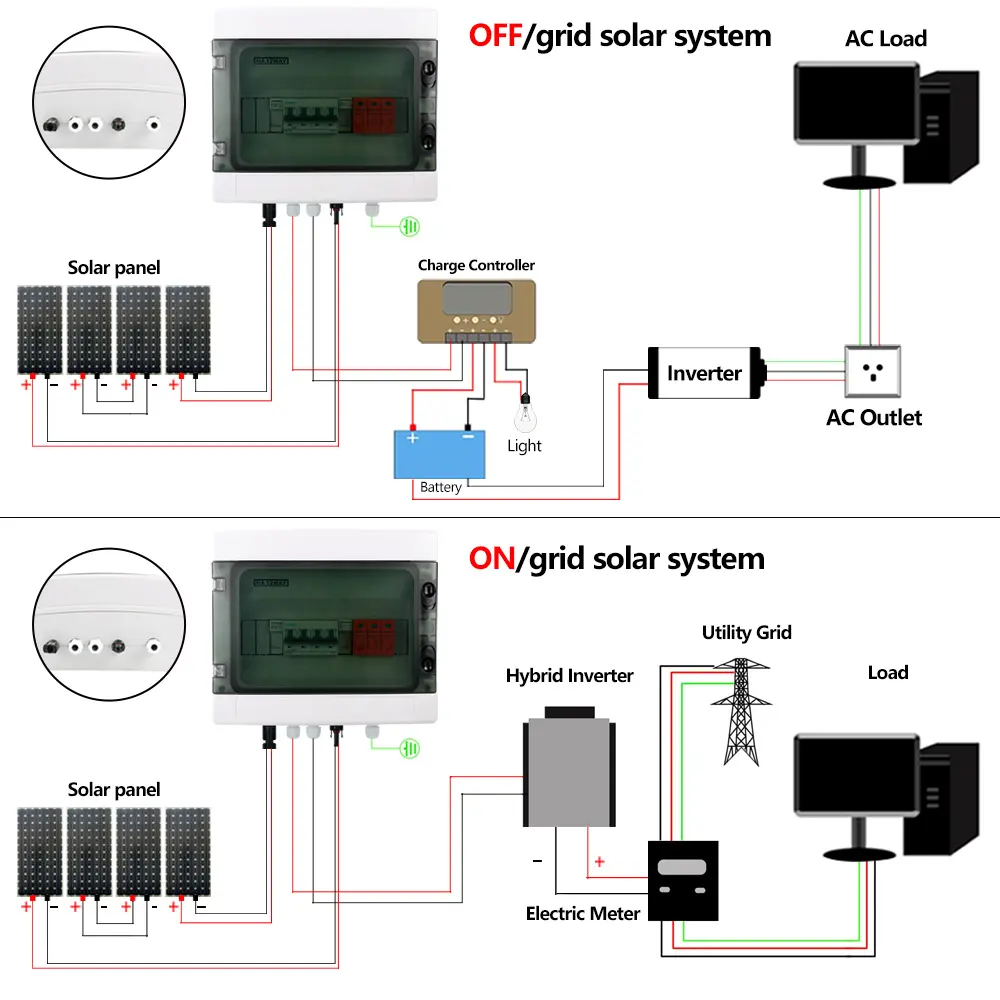
Solar power installations require careful management of electrical components to ensure optimal performance and safety. The pv combiner box serves as a critical component in photovoltaic systems, consolidating multiple DC inputs from solar panel strings into a single output that feeds into the inverter. Understanding the common issues that affect these essential devices and implementing proper maintenance practices can significantly extend their operational lifespan while preventing costly system downtime. Proper care and attention to your pv combiner box installation will help maintain peak solar energy production throughout the system's lifetime.
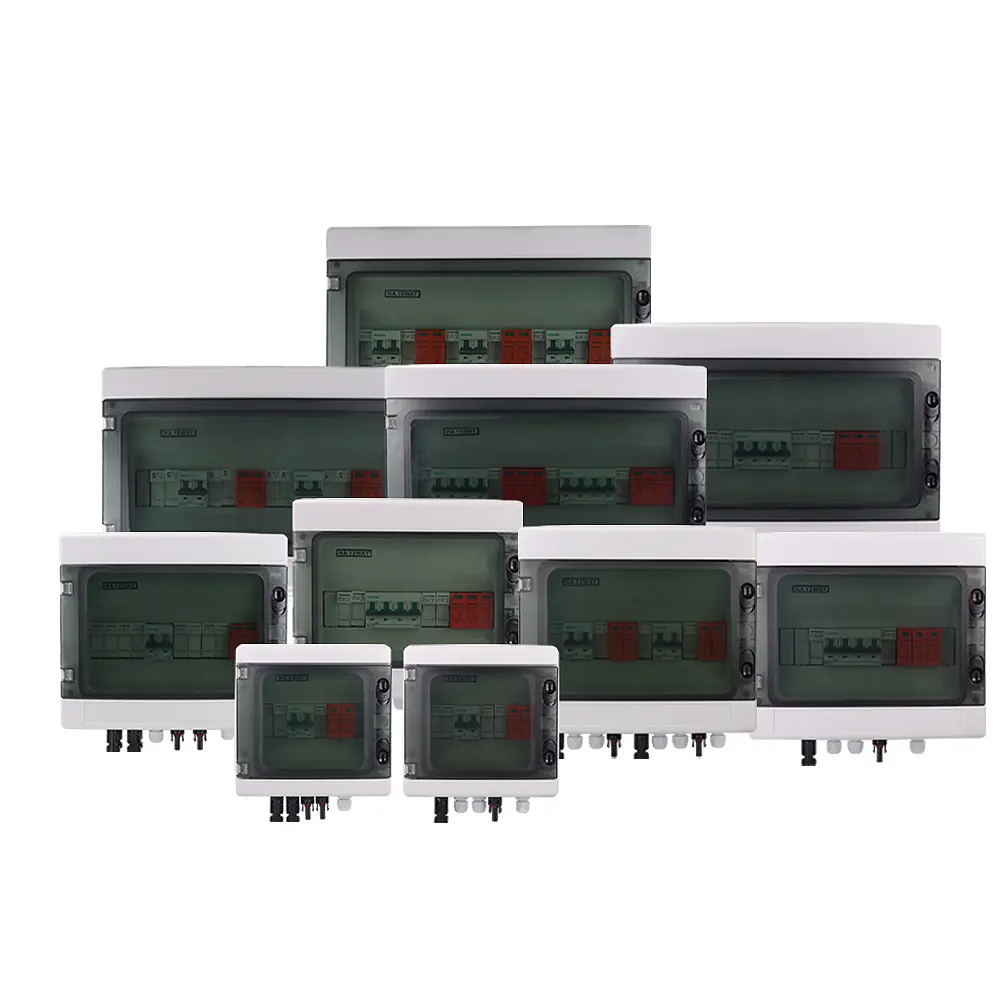
Environmental Challenges Affecting PV Combiner Box Performance
Weather-Related Deterioration Factors
Outdoor installations expose pv combiner box units to harsh environmental conditions that can accelerate component degradation. Temperature fluctuations cause thermal expansion and contraction of internal components, potentially leading to loose connections and compromised electrical contacts. Extreme heat can cause internal components to overheat, while freezing temperatures may make plastic housings brittle and susceptible to cracking. UV radiation from prolonged sun exposure degrades protective coatings and plastic materials, reducing the overall integrity of the enclosure.
Moisture intrusion represents one of the most significant threats to pv combiner box functionality. Water can enter through damaged seals, worn gaskets, or manufacturing defects, leading to corrosion of internal components and potential electrical failures. High humidity environments accelerate this process, creating conditions that promote rust formation on metal components and degradation of electrical connections. Regular inspection of sealing materials helps prevent these moisture-related issues before they compromise system performance.
Dust and Debris Accumulation Problems
Desert installations and agricultural environments present unique challenges for pv combiner box maintenance due to excessive dust and debris accumulation. Fine particles can infiltrate enclosures through ventilation openings or damaged seals, coating internal components and interfering with proper heat dissipation. This accumulation can cause overheating issues and create pathways for electrical arcing between components. Sand and other abrasive materials may also wear down external surfaces and compromise the protective coating.
Organic debris such as leaves, bird nests, and insect intrusion can create additional problems for outdoor pv combiner box installations. These materials may block ventilation systems, creating hot spots that accelerate component degradation. Insects and small animals seeking shelter can cause physical damage to wiring and create unwanted electrical paths that result in system malfunctions.
Electrical Component Failures and Troubleshooting
Fuse and Circuit Breaker Issues
Protective devices within a pv combiner box frequently experience failures that can compromise entire solar installations. Fuses may blow due to overcurrent conditions caused by system faults, ground faults, or improper sizing during initial installation. When fuses fail repeatedly, it often indicates underlying system problems that require professional diagnosis and correction. Circuit breakers can also malfunction due to mechanical wear, contamination, or exposure to extreme temperatures that affect their trip mechanisms.
Corrosion of fuse holders and breaker contacts creates high-resistance connections that generate excessive heat and can lead to complete component failure. Regular inspection of these protective devices helps identify potential problems before they result in system downtime. Proper torque specifications for connections and use of appropriate contact cleaners can prevent many common electrical failures in these critical components.
Wiring and Connection Deterioration
Internal wiring within a pv combiner box faces constant stress from temperature cycling, vibration, and environmental exposure. Copper conductors can develop oxidation that increases resistance and generates heat, potentially leading to wire insulation failure and fire hazards. Aluminum wiring presents additional challenges due to its tendency to expand and contract more than copper, creating loose connections over time.
Terminal connections represent critical failure points where improper torque, dissimilar metals, or contamination can create high-resistance joints. These problematic connections generate heat that accelerates further degradation and can result in complete connection failure. Using proper connection techniques, appropriate torque values, and compatible materials helps prevent these common wiring issues from affecting system performance.
Preventive Maintenance Strategies
Regular Visual Inspection Protocols
Establishing a systematic visual inspection routine helps identify potential pv combiner box problems before they result in costly failures. Monthly external inspections should focus on enclosure integrity, checking for cracks, damaged seals, or signs of moisture intrusion. Look for discoloration, rust, or corrosion on external surfaces that might indicate internal problems. Verify that all access panels are properly secured and that ventilation openings remain clear of obstructions.
Internal inspections should be performed quarterly by qualified personnel, examining all electrical connections for signs of loosening, corrosion, or overheating. Check fuses and circuit breakers for proper operation and signs of damage. Document any abnormal findings and track changes over time to identify developing trends that might predict future failures. Photography can help maintain consistent inspection records and provide valuable documentation for warranty claims or insurance purposes.
Cleaning and Environmental Protection
Regular cleaning of pv combiner box installations helps maintain optimal operating conditions and prevents many common problems. Use appropriate cleaning solutions and techniques that won't damage protective coatings or compromise sealing materials. Remove dust, debris, and organic matter from external surfaces and ventilation openings. Pay special attention to drainage systems and ensure that water can properly exit the enclosure without pooling.
Environmental protection measures such as shade structures or protective covers can help reduce the impact of extreme weather conditions on pv combiner box installations. Consider relocating units that experience excessive environmental stress or upgrading to more robust enclosure materials in challenging environments. Proper grounding and surge protection systems help protect against lightning damage and electrical surges that can destroy internal components.
Performance Monitoring and Diagnostic Techniques
Electrical Testing Procedures
Comprehensive electrical testing provides valuable insights into pv combiner box performance and helps identify developing problems before they cause system failures. Voltage measurements across individual string inputs can reveal imbalanced conditions that might indicate panel problems or wiring issues. Current measurements help verify that each string is contributing expected power levels to the overall system output.
Insulation resistance testing helps identify degraded wiring or components that might pose safety hazards or cause ground faults. This testing should be performed with the system disconnected and following proper safety procedures. Temperature measurements using infrared thermography can identify hot spots caused by high-resistance connections or overloaded components within the pv combiner box enclosure.
Data Logging and Trend Analysis
Modern pv combiner box installations often include monitoring capabilities that provide valuable performance data for maintenance decision-making. Continuous monitoring of voltage, current, and power levels helps establish baseline performance parameters and identify gradual degradation trends. This data can help predict maintenance needs and optimize inspection schedules based on actual system performance rather than arbitrary time intervals.
Trend analysis of historical performance data helps identify seasonal patterns and long-term degradation rates that affect pv combiner box installations. This information supports more informed decisions about component replacement timing and helps justify preventive maintenance investments. Integration with overall system monitoring provides comprehensive insights into how combiner box performance affects total energy production.
Component Replacement and Upgrade Considerations
Identifying Replacement Indicators
Several key indicators suggest when pv combiner box components require replacement rather than repair. Repeated fuse failures often indicate underlying system problems that warrant component upgrades or system modifications. Visible corrosion, damaged enclosures, or compromised sealing systems typically require complete replacement to ensure continued reliable operation. Age-related degradation becomes more significant as systems approach their design life expectations.
Performance monitoring data provides objective criteria for replacement decisions, helping avoid premature component changes while preventing failures that could damage other system components. Declining insulation resistance, increasing operating temperatures, or reduced power output may indicate that internal components have reached the end of their useful service life and require replacement with updated technology.
Technology Upgrade Opportunities
Replacement provides opportunities to upgrade pv combiner box installations with improved technology that offers enhanced performance, monitoring capabilities, or environmental protection. Modern units often include integrated monitoring systems, improved protective devices, and more robust enclosure materials that extend service life. Smart combiner boxes with communication capabilities enable remote monitoring and diagnostics that reduce maintenance costs.
Consider upgrading to units with improved arc fault protection, enhanced surge suppression, or rapid shutdown capabilities that meet current electrical code requirements. These safety enhancements protect both system components and personnel while ensuring compliance with evolving industry standards. Energy storage integration capabilities in newer pv combiner box designs support system expansion and improved energy management.
Safety Considerations and Best Practices
Electrical Safety Protocols
Working with pv combiner box installations requires strict adherence to electrical safety protocols to prevent injury and equipment damage. Always verify that systems are properly de-energized before beginning maintenance work, using appropriate lockout/tagout procedures. Multiple energy sources, including battery backup systems, may remain energized even when main breakers are opened, requiring careful verification of complete de-energization.
Personal protective equipment appropriate for the voltage levels and arc flash hazards present in pv combiner box installations must be worn during all maintenance activities. This includes insulated tools, flame-resistant clothing, and eye protection. Ground fault circuit interrupters provide additional protection during maintenance activities and should be used whenever temporary power is required for testing equipment.
Emergency Response Procedures
Develop and maintain emergency response procedures specific to pv combiner box installations, including fire suppression techniques appropriate for electrical equipment. Traditional water-based fire suppression can create additional electrical hazards and should be avoided unless proper de-energization procedures have been completed. Class C fire extinguishers designed for electrical fires provide safer options for initial fire suppression efforts.
Emergency shutdown procedures should be clearly documented and accessible to all personnel working on or near pv combiner box installations. Rapid shutdown systems help minimize hazards during emergency situations by quickly reducing system voltage to safe levels. Regular emergency response training helps ensure that personnel can respond appropriately to various failure scenarios.
FAQ
How often should a pv combiner box undergo professional maintenance
Professional maintenance of a pv combiner box should typically occur annually, with more frequent inspections in harsh environmental conditions. Monthly visual inspections can be performed by site personnel, while detailed electrical testing and internal component inspection require qualified technicians. Systems in coastal, desert, or industrial environments may benefit from semi-annual professional maintenance due to accelerated degradation from salt air, dust, or chemical exposure.
What are the most common signs of pv combiner box failure
Common failure indicators include repeated fuse or breaker tripping, visible corrosion or damage to the enclosure, unusual odors or sounds from the unit, and declining system power output. Hot spots detected during infrared thermography, moisture inside the enclosure, and loose or damaged connections also signal potential failures. Monitoring systems may show imbalanced string currents or irregular voltage patterns that indicate internal problems.
Can weather conditions affect pv combiner box lifespan
Weather conditions significantly impact pv combiner box lifespan, with extreme temperatures, humidity, UV exposure, and precipitation all contributing to component degradation. High temperatures accelerate chemical reactions that degrade materials, while thermal cycling causes mechanical stress on connections and components. Moisture intrusion from rain, snow, or high humidity creates corrosive conditions that damage electrical components and reduce insulation effectiveness.
What safety precautions are necessary when servicing a pv combiner box
Essential safety precautions include proper system de-energization, lockout/tagout procedures, and verification of zero energy state before beginning work. Personal protective equipment appropriate for the voltage levels and arc flash hazards must be worn, including insulated tools and flame-resistant clothing. Ground fault protection should be used when temporary power is needed, and emergency response procedures must be readily available and understood by all personnel.