
 EN
EN



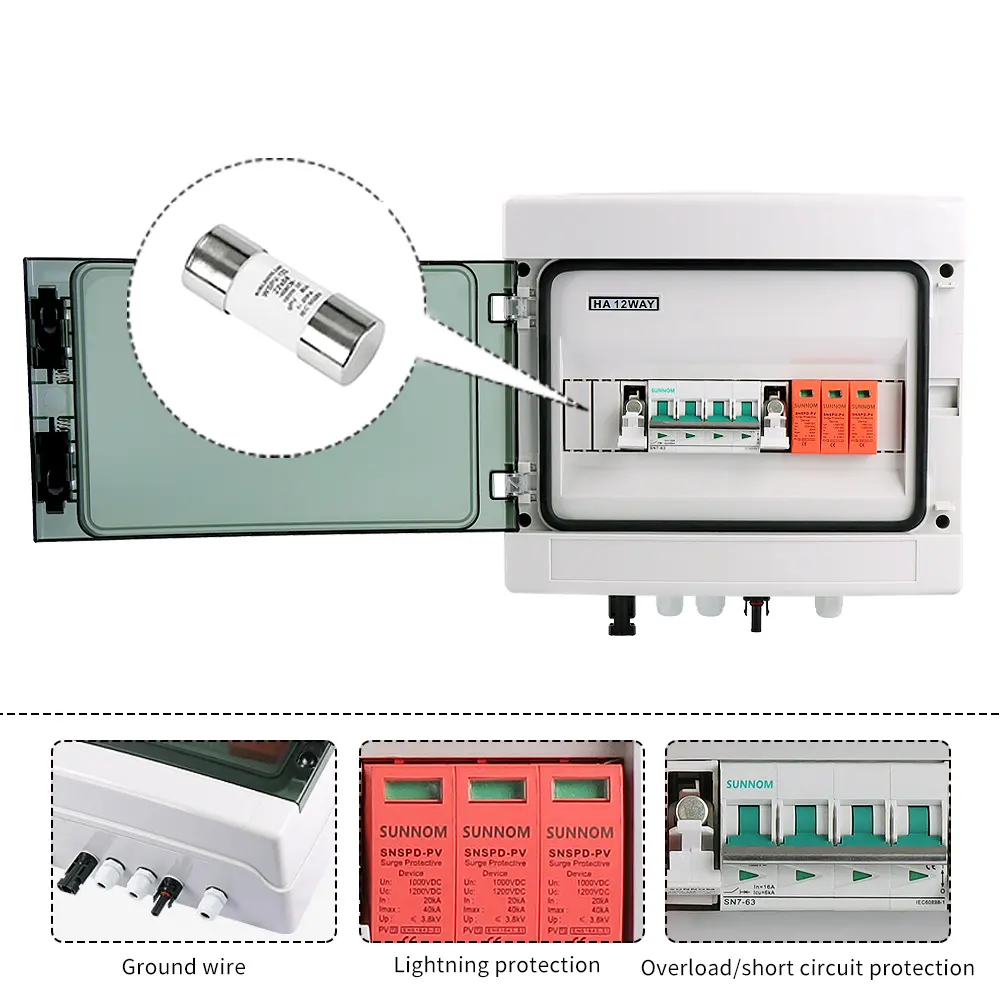
Solar energy systems rely on numerous interconnected components to efficiently convert sunlight into usable electricity. Among these critical elements, the pv combiner box serves as an essential junction point that consolidates multiple solar panel strings into a unified electrical pathway. This sophisticated device plays a pivotal role in optimizing system performance, enhancing safety protocols, and simplifying maintenance procedures across residential and commercial photovoltaic installations.
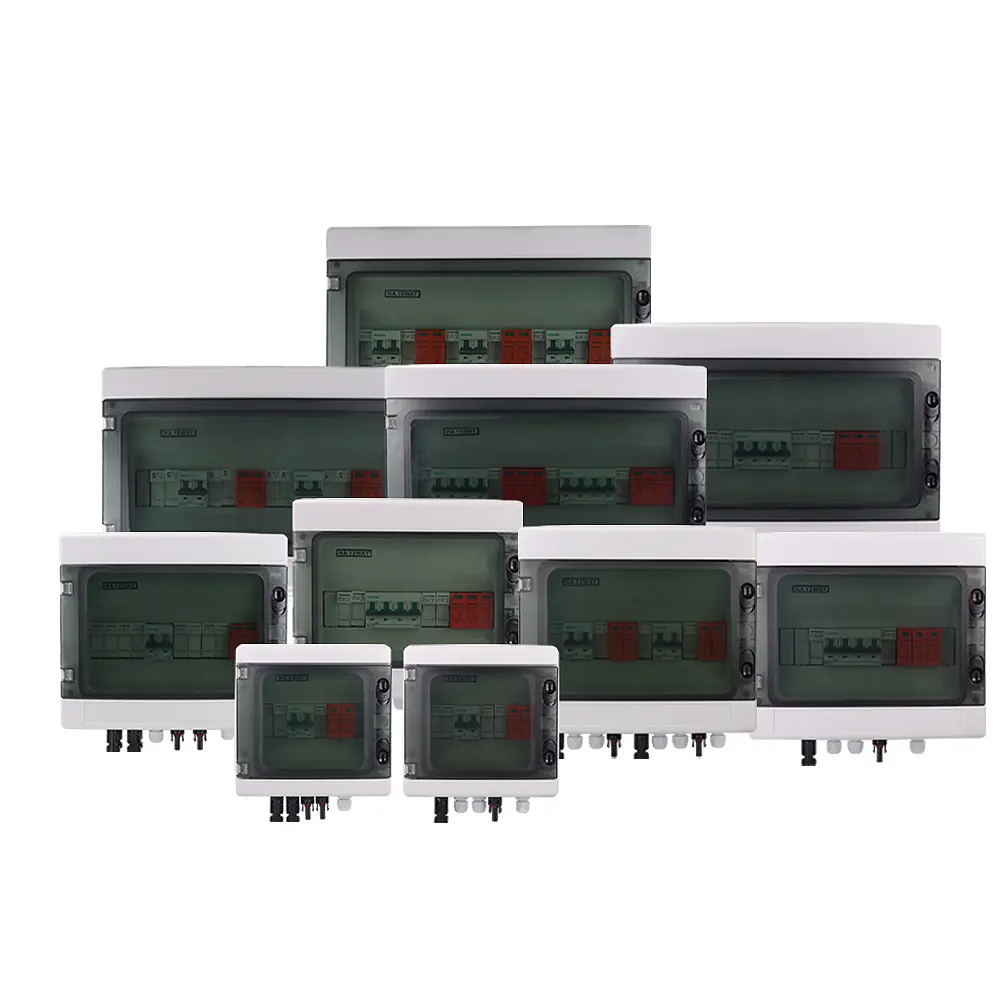
Understanding the fundamental operation of a pv combiner box requires examining its primary function within the broader solar array architecture. This electrical enclosure receives direct current output from individual solar panel strings and consolidates these separate feeds into fewer, higher-capacity conductors. By reducing the number of cables running to the inverter system, the combiner box significantly streamlines installation complexity while reducing material costs and potential failure points throughout the photovoltaic system.
Modern solar installations incorporate combiner boxes to address specific challenges related to system scalability and electrical management. As solar arrays expand beyond basic configurations, managing dozens or hundreds of individual panel connections becomes increasingly complex without proper consolidation infrastructure. The pv combiner box addresses this challenge by providing organized termination points for multiple string circuits, enabling systematic monitoring and control of electrical flow throughout the installation.
Essential Components and Internal Architecture
Fusing and Circuit Protection Elements
The internal architecture of a pv combiner box incorporates multiple layers of electrical protection designed to safeguard both equipment and personnel. Individual string fuses represent the primary protection mechanism, preventing overcurrent conditions that could damage panels or wiring infrastructure. These specialized photovoltaic fuses are designed to handle the unique characteristics of solar panel output, including reverse current flow and varying environmental conditions that affect electrical behavior.
Circuit breakers within the combiner box provide additional protection beyond basic fusing, offering manual disconnect capability for maintenance and emergency situations. These breakers are specifically rated for direct current applications, as traditional alternating current breakers cannot safely interrupt DC circuits under load conditions. The combination of fuses and circuit breakers creates a comprehensive protection strategy that addresses both automatic and manual safety requirements.
Surge protection devices integrated into the pv combiner box protect against voltage spikes caused by lightning strikes, grid disturbances, or switching events within the electrical system. These devices divert excess energy to ground, preventing damage to sensitive inverter electronics and other downstream components. Proper surge protection is essential in solar installations due to their exposure to weather-related electrical phenomena and their connection to utility grid systems.
Monitoring and Communication Infrastructure
Advanced pv combiner box designs incorporate sophisticated monitoring capabilities that enable real-time assessment of individual string performance. Current monitoring devices track the electrical output of each connected string, identifying underperforming circuits that may indicate panel degradation, shading issues, or wiring problems. This granular monitoring capability allows system operators to quickly identify and address performance issues before they significantly impact overall system output.
Communication interfaces within modern combiner boxes enable integration with comprehensive energy management systems and remote monitoring platforms. These interfaces typically utilize industry-standard protocols such as Modbus or proprietary communication systems that allow centralized monitoring of multiple combiner boxes across large installations. The ability to remotely access performance data and diagnostic information reduces maintenance costs and enables proactive system management strategies.
Data logging capabilities built into intelligent combiner boxes provide historical performance records that support long-term system analysis and warranty claims. These systems continuously record string currents, voltage levels, and environmental conditions, creating comprehensive databases that help identify trends and predict maintenance requirements. Access to detailed historical data proves invaluable for optimizing system performance and demonstrating compliance with performance guarantees.
Installation Considerations and System Integration
Placement and Environmental Requirements
Proper placement of a pv combiner box requires careful consideration of multiple factors including accessibility, environmental exposure, and electrical code requirements. The device should be positioned to minimize cable runs from solar panel strings while maintaining reasonable access for maintenance personnel. Excessive cable lengths increase voltage drop and material costs, while inaccessible locations complicate routine maintenance and emergency response procedures.
Environmental protection represents a critical consideration in combiner box placement, as these devices contain sensitive electrical components that must operate reliably across varying weather conditions. Enclosures must provide adequate protection against moisture infiltration, temperature extremes, and ultraviolet radiation that can degrade materials over time. Many installations utilize NEMA-rated enclosures that provide standardized protection levels appropriate for outdoor electrical equipment.
Ventilation requirements for pv combiner box installations ensure proper heat dissipation during peak solar production periods. Electrical components generate heat during normal operation, and inadequate ventilation can lead to premature component failure or reduced performance. Proper ventilation design balances the need for heat dissipation with requirements for environmental protection, often incorporating features such as filtered vents or heat exchangers.
Electrical Integration and Wiring Protocols
Electrical integration of a pv combiner box requires adherence to specific wiring protocols and safety standards established by national electrical codes and industry best practices. Input connections must accommodate the voltage and current characteristics of connected solar panel strings, while output connections must be sized appropriately for the combined electrical load. Proper wire sizing ensures safe operation while minimizing voltage drop that reduces system efficiency.
Grounding systems integrated with the combiner box provide essential safety protection and electrical noise reduction throughout the solar installation. Equipment grounding conductors connect all metallic components to the system grounding electrode, while grounding electrode conductors establish connection to earth ground. These grounding systems protect against electrical shock hazards and provide a reference point for system operation.
String identification and labeling within the pv combiner box ensures proper maintenance procedures and facilitates troubleshooting activities. Clear labeling systems identify individual strings, their corresponding solar panel locations, and expected electrical characteristics. This documentation proves essential for commissioning procedures, routine maintenance activities, and system modifications throughout the installation lifecycle.
Performance Optimization and Maintenance Strategies
Monitoring and Diagnostic Procedures
Regular monitoring of pv combiner box performance involves systematic assessment of electrical parameters and physical condition indicators that reveal potential issues before they impact system performance. Current measurements for individual strings should be compared against expected values based on solar irradiance conditions and historical performance data. Significant deviations from expected current levels may indicate panel degradation, shading problems, or wiring issues requiring investigation.
Visual inspections of the combiner box enclosure and internal components identify physical deterioration that could compromise safety or performance. These inspections should focus on signs of moisture infiltration, corrosion, insect intrusion, or mechanical damage that could affect electrical connections or component operation. Regular visual assessments help identify maintenance requirements before minor issues develop into major problems requiring extensive repairs.
Thermal imaging assessments of pv combiner box installations reveal hot spots that may indicate loose connections, overloaded circuits, or component degradation. Infrared thermography can identify temperature anomalies that are not visible during standard visual inspections, enabling proactive maintenance interventions. These thermal assessments should be conducted during peak solar production periods when electrical loads are highest and temperature differences are most apparent.
Preventive Maintenance and Component Replacement
Preventive maintenance programs for pv combiner box installations focus on preserving electrical connections, protecting against environmental degradation, and ensuring continued compliance with safety standards. Connection tightening procedures address the natural loosening that occurs due to thermal cycling and mechanical vibration over time. Loose connections create resistance that generates heat and reduces system efficiency while potentially creating fire hazards.
Component replacement schedules for fuses, surge protection devices, and monitoring equipment ensure continued protection and performance throughout the system lifecycle. Surge protection devices have finite lifespans and may require replacement after major electrical events or according to manufacturer recommendations. Similarly, monitoring equipment may require calibration or replacement to maintain accuracy as technology evolves and components age.
Environmental protection maintenance includes cleaning, sealing, and weatherproofing activities that preserve enclosure integrity against moisture, dust, and pest intrusion. Regular cleaning removes accumulated debris that could block ventilation or create pathways for moisture infiltration. Gasket inspection and replacement maintains seal integrity, while pest exclusion measures prevent insects and small animals from accessing internal components.
Safety Protocols and Regulatory Compliance
Electrical Safety Requirements
Safety protocols surrounding pv combiner box operation emphasize the unique hazards associated with direct current electrical systems and photovoltaic installations. Unlike alternating current systems that can be easily de-energized, solar panels continue producing electricity whenever light is present, creating persistent electrical hazards within the combiner box. Personnel working on these systems must understand proper lockout/tagout procedures and utilize appropriate personal protective equipment designed for DC electrical work.
Arc flash protection represents a critical safety consideration for personnel working on energized combiner boxes, as DC arc faults can be particularly difficult to extinguish and may cause severe burns or equipment damage. Proper arc flash analysis determines appropriate personal protective equipment requirements and establishes safe working distances for various maintenance activities. These analyses must consider the specific electrical characteristics of the solar installation and available fault current levels.
Emergency response procedures for pv combiner box incidents must address the unique challenges of solar electrical systems, including coordination with fire departments and other emergency responders who may not be familiar with photovoltaic hazards. Clear labeling and emergency contact information help first responders understand system hazards and appropriate response procedures. Rapid shutdown capabilities required by modern electrical codes help reduce electrical hazards during emergency situations.
Code Compliance and Installation Standards
Regulatory compliance for pv combiner box installations requires adherence to national electrical codes, local building codes, and industry standards that govern photovoltaic system design and installation. These regulations address equipment selection, installation methods, grounding requirements, and safety provisions that ensure reliable and safe operation throughout the system lifecycle. Regular code updates reflect evolving technology and safety understanding, requiring ongoing education for installation professionals.
Listed equipment requirements ensure that combiner boxes meet established safety and performance standards through independent testing and certification. Equipment listings verify compliance with applicable standards and provide assurance that devices will perform safely under specified conditions. Using listed equipment is typically required by electrical codes and may be necessary for insurance coverage and warranty protection.
Documentation requirements for pv combiner box installations include electrical diagrams, equipment specifications, and commissioning records that demonstrate compliance with applicable codes and standards. These documents serve multiple purposes including permit approval, inspection verification, warranty claims, and future maintenance reference. Proper documentation practices support long-term system reliability and legal compliance throughout the installation lifecycle.
Future Technologies and Industry Trends
Smart Grid Integration and Communication Advances
Emerging technologies in pv combiner box design focus on enhanced integration with smart grid infrastructure and advanced communication capabilities that enable more sophisticated energy management strategies. These developments include support for grid-interactive protocols that allow solar installations to participate in demand response programs and provide grid stabilization services. Advanced communication interfaces enable real-time coordination between solar generation, energy storage systems, and utility grid operations.
Artificial intelligence integration within intelligent combiner boxes enables predictive maintenance capabilities and automated performance optimization based on historical data analysis and machine learning algorithms. These systems can identify subtle performance trends that indicate developing problems and recommend maintenance interventions before failures occur. AI-powered diagnostics also optimize system performance by automatically adjusting operating parameters based on changing environmental conditions and electrical load requirements.
Cybersecurity considerations for connected combiner boxes address the growing importance of protecting solar installations against digital threats that could compromise system operation or data integrity. Advanced security protocols include encrypted communication channels, secure authentication mechanisms, and intrusion detection capabilities that protect against unauthorized access and malicious attacks. These security measures become increasingly important as solar installations become more integrated with critical infrastructure systems.
Advanced Materials and Manufacturing Innovation
Material science advances in pv combiner box construction focus on improving durability, reducing environmental impact, and enhancing performance under extreme conditions. Advanced polymer materials offer improved resistance to ultraviolet radiation and thermal cycling while reducing weight and manufacturing costs. These materials also enable more complex geometric designs that optimize internal airflow and component arrangement for improved thermal management.
Manufacturing innovations including additive manufacturing and advanced assembly techniques enable more cost-effective production of customized combiner box configurations tailored to specific installation requirements. These manufacturing advances reduce lead times for specialized configurations while maintaining quality and reliability standards. Modular design approaches allow field customization of combiner box functionality without requiring completely custom manufacturing.
Sustainability initiatives in combiner box manufacturing emphasize recyclable materials, reduced energy consumption during production, and end-of-life recycling programs that minimize environmental impact. These initiatives support the overall environmental benefits of solar energy systems while addressing growing concerns about electronic waste and resource consumption in renewable energy infrastructure. Sustainable manufacturing practices also help reduce long-term costs and improve the economic viability of solar installations.
FAQ
What is the primary function of a pv combiner box in a solar installation
A pv combiner box serves as a central junction point that consolidates multiple solar panel strings into fewer output circuits, reducing the number of cables running to the inverter while providing essential safety features such as overcurrent protection, disconnect switches, and monitoring capabilities. This consolidation simplifies installation, reduces material costs, and enables systematic monitoring of individual string performance throughout the solar array.
How does a combiner box improve solar system safety and maintenance
Combiner boxes enhance safety by providing centralized disconnect switches, individual string fusing, and surge protection that protect against electrical hazards and equipment damage. For maintenance purposes, these devices enable technicians to safely isolate individual strings for service while maintaining system operation, and integrated monitoring capabilities help identify performance issues before they require emergency repairs.
What are the key factors to consider when selecting a pv combiner box
Key selection factors include the number of input strings required, current and voltage ratings that match the solar array specifications, environmental protection rating appropriate for the installation location, monitoring and communication capabilities needed for the specific application, and compliance with applicable electrical codes and standards. The selected combiner box should also accommodate future system expansion requirements and integrate properly with other system components.
How often should a pv combiner box be inspected and maintained
Regular visual inspections should be conducted quarterly to check for physical damage, moisture intrusion, or pest problems, while detailed electrical testing and connection tightening should be performed annually by qualified technicians. Monitoring system data should be reviewed monthly to identify performance trends, and any unusual readings or alarms should be investigated promptly to prevent minor issues from developing into major problems requiring extensive repairs.