
 EN
EN



In modern electrical systems, particularly those involving direct current applications, the choice between traditional fuses and miniature circuit breakers becomes increasingly critical. A dc mcb offers superior protection and operational advantages that have made it the preferred choice for many industrial and commercial applications. Understanding these advantages helps engineers and facility managers make informed decisions about electrical safety and system reliability.
The evolution from fuses to circuit breakers represents a significant advancement in electrical protection technology. While fuses have served the electrical industry for decades, the unique characteristics of DC systems demand more sophisticated protection mechanisms. DC applications present distinct challenges that require specialized solutions, making the comparison between traditional fuses and modern dc mcb devices particularly relevant for today's electrical professionals.
Enhanced Safety Features and Operational Benefits
Superior Arc Extinction Capabilities
One of the most significant advantages of a dc mcb over traditional fuses lies in its superior arc extinction capabilities. Direct current creates persistent arcs that can be challenging to extinguish, unlike alternating current which naturally crosses zero twice per cycle. A dc mcb incorporates specialized arc chambers and magnetic blowout systems designed specifically to handle DC arc characteristics.
The arc extinction process in a dc mcb involves multiple stages of arc stretching, cooling, and deionization. These devices utilize permanent magnets or electromagnetic coils to force the arc into specially designed arc chambers where it is rapidly extinguished. This sophisticated approach ensures reliable protection even under high DC voltage conditions where traditional fuses might struggle to interrupt the current effectively.
Modern dc mcb designs incorporate advanced materials and geometries that optimize arc management. The use of ceramic or composite arc chambers, combined with precise contact spacing and timing mechanisms, provides consistent performance across varying load conditions. This reliability is crucial in applications such as solar power systems, battery banks, and DC motor drives where safety and system integrity are paramount.
Immediate Visual Indication and Status Monitoring
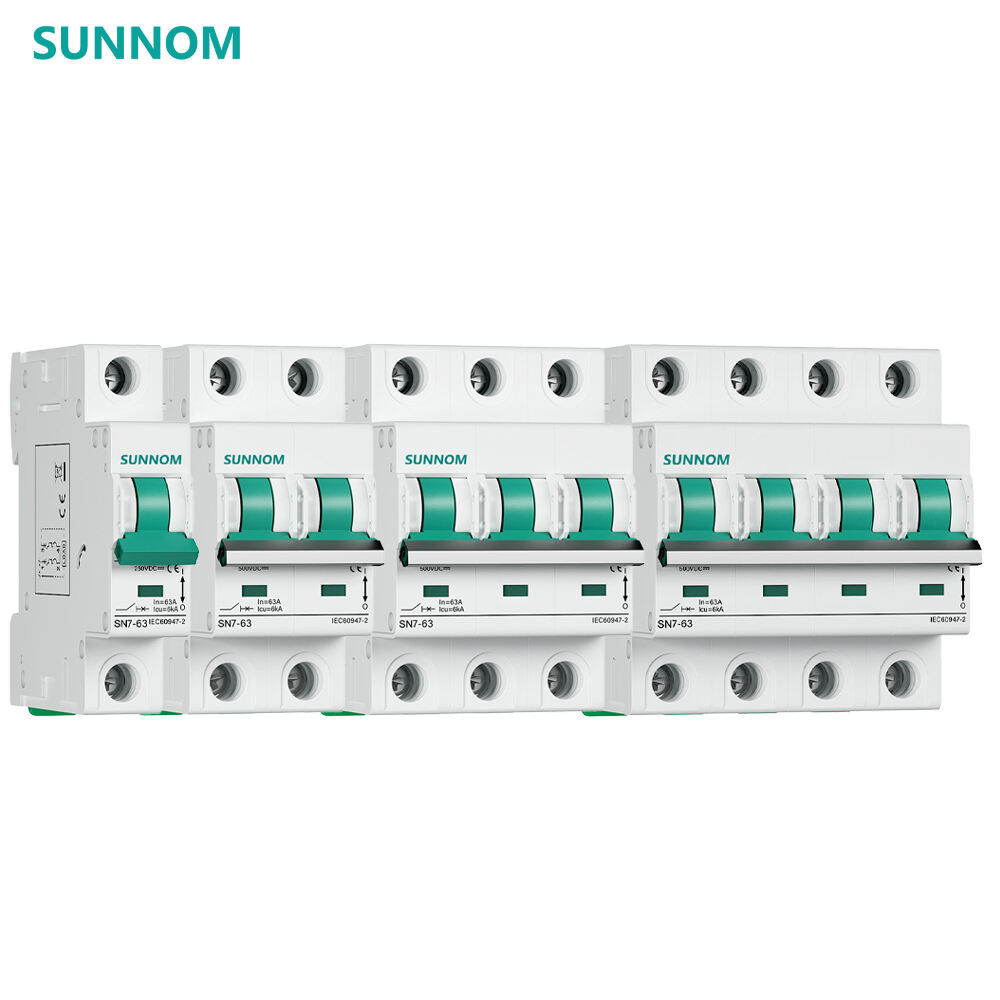
Unlike fuses which require physical inspection or replacement to determine their status, a dc mcb provides immediate visual indication of its operational state. The toggle mechanism clearly shows whether the device is in the ON, OFF, or TRIPPED position, allowing maintenance personnel to quickly assess system status without the need for testing equipment or physical component removal.
This visual indication capability significantly reduces troubleshooting time and minimizes system downtime. When a fault occurs, technicians can immediately identify which protection device has operated, streamlining the diagnostic process. The clear indication also helps prevent accidental energization of circuits during maintenance procedures, enhancing worker safety.
Advanced dc mcb models often incorporate additional status indicators such as LED lights or electronic displays that provide information about fault conditions, operating parameters, or maintenance requirements. These features transform the protection device from a simple safety component into an intelligent monitoring system that contributes to overall system reliability and maintenance efficiency.
Cost-Effectiveness and Maintenance Advantages
Elimination of Replacement Costs
The reusable nature of a dc mcb represents a significant economic advantage over fuses. When a fuse operates due to an overcurrent condition, it must be replaced entirely, incurring both material costs and labor expenses. In contrast, a dc mcb can be reset after clearing the fault condition, provided the underlying problem has been addressed.
This reusability becomes particularly valuable in applications where nuisance tripping might occur due to temporary overload conditions or system transients. Rather than repeatedly purchasing replacement fuses, operators can simply reset the dc mcb after investigating and resolving the cause of the trip. Over the operational lifetime of an electrical system, these savings can be substantial.
The cost analysis becomes even more favorable when considering the inventory requirements. Facilities using fuses must maintain stocks of various ratings and types to ensure replacement availability. A dc mcb installation reduces this inventory burden while providing more flexible protection characteristics that can be adjusted as system requirements evolve.
Reduced Maintenance Requirements
Maintenance requirements for dc mcb devices are significantly lower compared to fuse-based protection systems. Fuses require regular inspection to check for signs of aging, corrosion, or mechanical damage that might affect their performance. They also need periodic replacement as part of preventive maintenance programs, even when they haven't operated.
A well-designed dc mcb typically requires minimal maintenance beyond periodic testing and inspection of connections. The mechanical components are engineered for thousands of operations, and the contact systems are designed to handle the demanding conditions of DC switching. Many modern dc mcb units include self-diagnostic capabilities that monitor internal conditions and provide advance warning of potential issues.
The maintenance advantages extend to system documentation and compliance requirements. With fuses, facilities must track replacement dates, maintain proper ratings, and ensure compliance with various standards. A dc mcb simplifies these requirements while providing better documentation of fault events and system performance through integrated monitoring capabilities.
Technical Performance and Reliability Superiority
Precise Trip Characteristics and Selectivity
The trip characteristics of a dc mcb can be precisely engineered to match specific application requirements. Unlike fuses, which have fixed time-current characteristics determined by their physical construction, modern dc mcb devices offer adjustable trip settings that can be optimized for different load profiles and coordination schemes.
This precision enables better selective coordination between protection devices at different system levels. A dc mcb can be configured with specific time delays and pickup settings that ensure only the device closest to a fault operates, minimizing the extent of system shutdown. This selectivity is particularly important in complex DC systems such as data centers, industrial facilities, or renewable energy installations.
Advanced dc mcb models incorporate electronic trip units that provide multiple protection functions including overcurrent, short circuit, ground fault, and arc fault protection. These integrated capabilities eliminate the need for multiple separate protection devices while ensuring comprehensive system protection. The electronic systems also enable remote monitoring and control capabilities that support modern smart grid and building automation systems.
Enhanced Interrupting Capacity
The interrupting capacity of a dc mcb is specifically designed to handle the challenging conditions present in DC systems. Direct current systems can generate significant fault currents that persist until actively interrupted, unlike AC systems where the natural current zero crossings assist in arc extinction.
Modern dc mcb designs achieve high interrupting capacities through sophisticated contact systems and arc management technologies. These devices can safely interrupt fault currents that would exceed the capabilities of similarly rated fuses, particularly at higher DC voltages where arc extinction becomes increasingly difficult.
The consistent interrupting performance of a dc mcb across its operating range provides system designers with greater confidence in protection system reliability. This consistency is particularly important in applications where fault current levels may vary significantly due to changing system configurations or operating conditions.
Environmental and Operational Considerations
Environmental Resistance and Durability
Environmental conditions significantly impact the performance and reliability of electrical protection devices. A dc mcb is typically designed with enhanced environmental resistance compared to traditional fuses, incorporating features such as sealed contact systems, corrosion-resistant materials, and improved thermal management.
The robust construction of dc mcb devices enables reliable operation across wide temperature ranges and in challenging environmental conditions. This durability is particularly important in outdoor installations, industrial environments, or marine applications where exposure to moisture, dust, chemicals, or extreme temperatures is common.
Many dc mcb units feature IP ratings that provide protection against ingress of dust and water, ensuring reliable operation even in harsh conditions. The mechanical components are designed to withstand vibration, shock, and other environmental stresses that might compromise the performance of more delicate fuse assemblies.
Integration with Modern Control Systems
The integration capabilities of modern dc mcb devices align well with contemporary electrical system requirements. These devices can interface with building management systems, SCADA networks, and other control platforms to provide real-time monitoring and remote operation capabilities.
Smart dc mcb units incorporate communication protocols such as Modbus, Profibus, or Ethernet that enable seamless integration with existing control infrastructure. This connectivity allows for remote monitoring of protection device status, fault event logging, and predictive maintenance scheduling based on operational data.
The data collection capabilities of intelligent dc mcb systems provide valuable insights into system performance and loading patterns. This information supports optimization of electrical system design and operation while enabling proactive maintenance strategies that improve overall system reliability.
Application-Specific Advantages
Renewable Energy Systems
In photovoltaic and other renewable energy applications, a dc mcb provides essential protection advantages over traditional fuses. Solar installations generate DC power that must be safely managed from the panel level through inverters and into the electrical distribution system. The unique characteristics of solar installations, including variable power generation and potential for arc faults, require sophisticated protection solutions.
A dc mcb designed for photovoltaic applications incorporates specialized features such as arc fault detection and rapid shutdown capabilities that comply with modern electrical codes and safety standards. These devices can distinguish between normal switching operations and dangerous arc faults, providing enhanced fire safety protection.
The resettable nature of dc mcb devices is particularly valuable in remote solar installations where site visits for fuse replacement would be costly and time-consuming. The ability to remotely reset protection devices after fault clearance minimizes system downtime and maintenance costs in these applications.
Industrial Motor Control Applications
DC motor control systems benefit significantly from the advanced protection characteristics of modern dc mcb devices. These applications often involve variable loads, frequent starting and stopping cycles, and the potential for regenerative braking that can create challenging protection requirements.
A dc mcb configured for motor protection can provide overload protection with adjustable time-current characteristics that accommodate motor starting transients while providing reliable protection against sustained overloads. The precise trip characteristics prevent nuisance tripping during normal motor operation while ensuring rapid disconnection during fault conditions.
Integration with motor control systems enables advanced protection functions such as phase loss detection, motor thermal protection, and coordination with variable frequency drives. These capabilities enhance system reliability while reducing the complexity of motor control panel designs.
Future-Proofing and Technology Evolution
Adaptability to Changing Requirements
The electrical industry continues to evolve with increasing adoption of DC systems, renewable energy integration, and smart grid technologies. A dc mcb provides the flexibility to adapt to changing system requirements through adjustable settings and upgrade capabilities that are not available with fixed-characteristic fuses.
As electrical codes and standards evolve to address new technologies and safety requirements, dc mcb systems can often be updated or reconfigured to maintain compliance without requiring complete replacement. This adaptability provides long-term value and reduces the risk of premature obsolescence.
The modular design of many dc mcb systems enables easy expansion or modification as system requirements change. Additional protection functions or communication capabilities can often be added through plug-in modules or software updates, preserving the initial investment while enhancing system capabilities.
Integration with Emerging Technologies
Emerging technologies such as energy storage systems, electric vehicle charging infrastructure, and microgrids rely heavily on DC power distribution and require sophisticated protection solutions. A dc mcb provides the foundation for these advanced applications while supporting integration with energy management systems and smart grid infrastructure.
The communication and monitoring capabilities of modern dc mcb devices enable participation in demand response programs, load management systems, and other smart grid applications. These features position facilities to take advantage of evolving utility programs and regulatory incentives while maintaining high levels of electrical safety and reliability.
Artificial intelligence and machine learning technologies are beginning to be incorporated into advanced protection systems, enabling predictive maintenance and optimization of protection settings based on historical performance data. These capabilities represent the future direction of electrical protection and are more readily implemented in intelligent dc mcb platforms than in traditional fuse-based systems.
FAQ
What is the typical lifespan of a dc mcb compared to fuses
A high-quality dc mcb typically has a mechanical life of 10,000 to 25,000 operations and an electrical life of several thousand operations under rated conditions. In contrast, fuses are single-use devices that must be replaced after each operation. Under normal conditions without fault operations, a dc mcb can provide decades of reliable service, while fuses may require replacement every few years as part of preventive maintenance programs.
Can dc mcb devices handle the same current ratings as traditional fuses
Modern dc mcb devices are available in current ratings from a few amperes up to several thousand amperes, covering the same range as traditional fuses. However, the key difference lies in their interrupting capability and precision of protection characteristics. A dc mcb provides more accurate and repeatable trip characteristics while offering superior interrupting capacity for DC applications where arc extinction is more challenging than with AC systems.
How does the initial cost of dc mcb compare to fuse-based protection
The initial purchase price of a dc mcb is typically higher than a comparable fuse and fuse holder assembly. However, the total cost of ownership strongly favors the dc mcb due to elimination of replacement costs, reduced maintenance requirements, and improved system reliability. Most facilities see a return on investment within the first few years of operation, particularly in applications where fault conditions might occur periodically.
Are there any applications where fuses might still be preferred over dc mcb devices
Fuses may still be preferred in certain specialized applications such as semiconductor protection where extremely fast clearing times are required, or in simple, low-cost installations where the advanced features of a dc mcb are not needed. However, for most general-purpose DC protection applications, the advantages of dc mcb devices in terms of safety, reliability, and long-term cost-effectiveness make them the preferred choice for modern electrical systems.