
 EN
EN



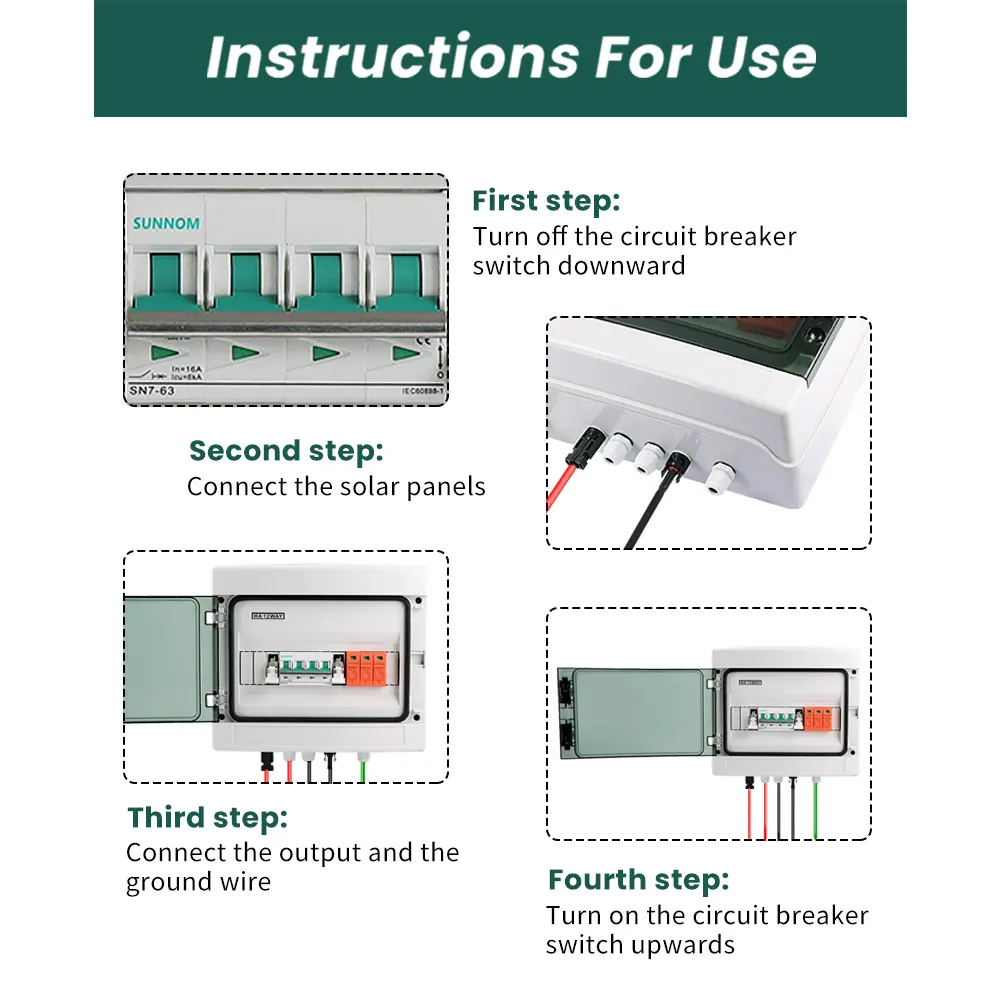
Direct current miniature circuit breakers, commonly known as DC MCBs, represent critical safety components in modern solar photovoltaic systems. These specialized protection devices are engineered to handle the unique challenges posed by direct current circuits, including arc extinction and fault current interruption. Unlike their alternating current counterparts, DC MCBs must overcome the absence of natural current zero-crossing points, making their design and application particularly crucial in solar installations. The growing adoption of renewable energy systems has significantly increased the demand for reliable DC protection solutions across residential, commercial, and utility-scale solar projects.
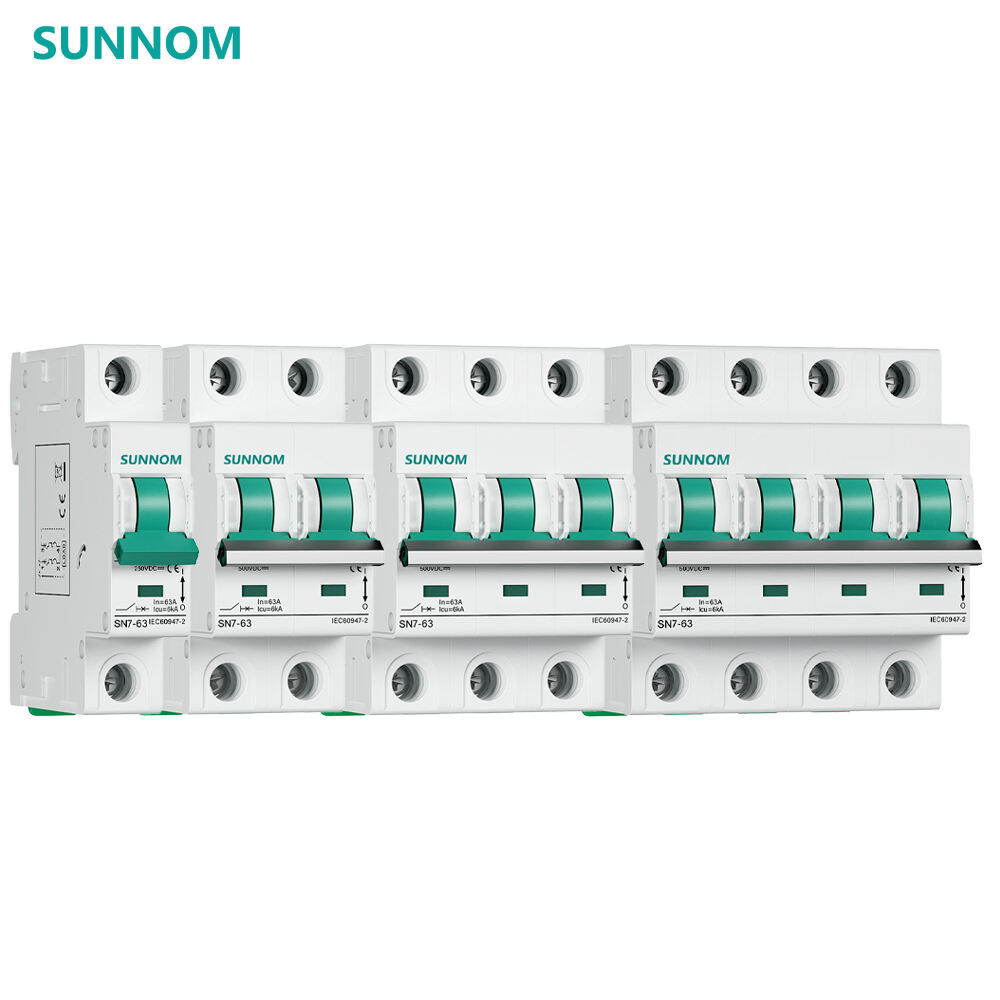
Solar energy systems operate exclusively on direct current from the photovoltaic panels until conversion through inverters, creating multiple points where DC MCBs become essential for system protection. These protective devices must handle voltage levels ranging from 600V to 1500V DC, depending on the system configuration and panel string arrangements. The unique electrical characteristics of DC current, including continuous arc formation potential and higher fault current magnitudes, necessitate specialized circuit breaker designs that differ substantially from conventional AC protection devices. Understanding where these components fit within the solar ecosystem helps installers and system designers implement comprehensive protection strategies.
Residential Solar System Applications
Rooftop PV Array Protection
Residential solar installations commonly employ DC MCBs at the combiner box level, where multiple panel strings converge before connecting to the central inverter. These protection devices safeguard individual string circuits from overcurrent conditions that could result from ground faults, reverse current flow, or module-level failures. The typical residential application involves DC MCBs rated between 15A and 30A, matching the maximum series fuse ratings specified by solar panel manufacturers. String-level protection ensures that a fault in one circuit segment does not compromise the entire array's performance or create safety hazards for maintenance personnel.
Modern residential systems increasingly incorporate DC MCBs directly at the inverter input terminals, providing an additional layer of protection and enabling safe disconnection during maintenance procedures. This configuration allows technicians to isolate the DC input safely while performing inverter servicing or replacement operations. The strategic placement of these protective devices also facilitates compliance with National Electrical Code requirements for readily accessible disconnection means. Advanced residential installations may feature DC MCBs with remote monitoring capabilities, enabling homeowners and installers to track system performance and identify potential issues proactively.
Battery Storage Integration
Residential energy storage systems require dedicated DC MCBs to protect battery circuits from overcurrent conditions during charging and discharging cycles. These applications demand circuit breakers capable of handling bidirectional current flow, as batteries alternately charge from solar production and discharge to supply household loads. The protection scheme typically includes DC MCBs rated for the maximum charge and discharge currents specified by battery manufacturers, often ranging from 50A to 200A for residential installations. Proper coordination between battery management systems and DC MCBs ensures safe operation while maximizing energy storage system lifespan.
Battery-connected DC MCBs must also provide protection against internal battery faults, including thermal runaway conditions and cell-level failures that could propagate throughout the storage system. The rapid response characteristics of quality DC MCBs help minimize damage during fault conditions while maintaining system availability for critical loads. Integration with smart home energy management systems allows these protective devices to coordinate with other system components, optimizing energy flow while maintaining safety standards. The growing popularity of residential battery storage has driven innovations in DC MCB design, including enhanced arc fault detection and communication capabilities.
Commercial and Industrial Solar Applications
Large-Scale Array Protection
Commercial solar installations utilize DC MCBs extensively throughout their electrical distribution systems, from individual string protection to main combiner panel applications. These larger systems typically operate at higher voltage levels, requiring DC MCBs rated for 1000V to 1500V DC operation. The protection strategy often involves a hierarchical approach, with string-level circuit breakers feeding into combiner panels equipped with higher-rated DC MCBs for section-level protection. This configuration provides selective coordination, ensuring that only the affected circuit segment trips during fault conditions while maintaining power production from unaffected system areas.
Industrial solar applications frequently incorporate DC MCBs with advanced monitoring and communication features, enabling integration with facility management systems and predictive maintenance programs. These intelligent protection devices provide real-time current and voltage measurements, fault logging, and remote operation capabilities that support optimized system performance. The harsh environmental conditions typical of industrial installations demand DC MCBs with enhanced enclosure ratings and corrosion-resistant materials. Proper selection and installation of these protective devices directly impact system reliability, maintenance costs, and overall return on investment for commercial solar projects.
Ground-Mount System Configurations
Ground-mounted commercial solar arrays present unique challenges for DC MCB application, including extended cable runs, environmental exposure, and accessibility considerations. These installations typically employ centralized combiner stations containing multiple DC MCBs arranged in organized panels for efficient maintenance and monitoring. The protection scheme must account for voltage drop considerations over longer DC cable runs while maintaining adequate fault current interruption capability. Ground-mount systems often utilize higher-capacity DC MCBs due to larger string configurations and increased system scales compared to rooftop installations.
Weather-resistant enclosures housing DC MCBs in ground-mount applications must withstand temperature extremes, moisture ingress, and UV exposure while maintaining reliable operation over the system's 25-year design life. The strategic placement of these protection panels considers both electrical performance and maintenance accessibility, often incorporating weather protection features and secure access controls. Advanced ground-mount installations may include redundant protection schemes using multiple DC MCBs in parallel configurations to enhance system availability and reliability. The scale of these projects justifies investment in sophisticated monitoring systems that track individual circuit breaker performance and predict maintenance requirements.
Utility-Scale Solar Power Plants
Centralized Inverter Protection
Utility-scale solar installations represent the most demanding applications for DC MCBs, requiring devices capable of handling megawatt-level power flows and extreme fault currents. These large-scale systems typically employ centralized inverter configurations where hundreds of solar panel strings connect through sophisticated combiner and recombiner systems protected by appropriately rated DC MCBs. The protection coordination in utility-scale applications involves multiple levels of circuit breakers, from string-level devices rated at 15-30A up to main combiner breakers rated at several hundred amperes. This hierarchical protection scheme ensures system stability while minimizing downtime during fault conditions.
The selection of DC MCBs for utility-scale applications requires careful consideration of short-circuit current calculations, selectivity studies, and arc flash hazard analyses. These protection devices must coordinate with other system protection elements, including AC circuit breakers, protective relays, and emergency shutdown systems. Advanced utility-scale installations incorporate DC MCBs with integrated monitoring and control systems that interface with supervisory control and data acquisition systems. The reliability requirements of utility-scale solar plants often justify redundant protection schemes and regular maintenance programs to ensure continuous operation and regulatory compliance.
String Combiner Applications
String combiner boxes in utility-scale solar plants house multiple DC MCBs that protect individual panel strings while providing isolation capabilities for maintenance operations. These applications typically involve custom-engineered combiner designs that optimize space utilization while maintaining adequate clearances and heat dissipation. The DC MCBs used in string combiners must handle the challenging environmental conditions of utility-scale installations, including wide temperature ranges, high humidity, and potential exposure to dust and debris. Quality assurance programs for these critical components often include factory testing, field commissioning verification, and ongoing performance monitoring.
Modern string combiner applications increasingly incorporate smart DC MCBs with communication capabilities that enable remote monitoring and control of individual string circuits. These advanced features support predictive maintenance programs and allow operations personnel to optimize system performance through real-time monitoring of string-level current and voltage measurements. The integration of DC MCBs with plant-wide monitoring systems provides valuable data for performance analysis, fault detection, and maintenance scheduling. The economics of utility-scale solar projects justify investment in high-quality DC MCBs that provide long-term reliability and enhanced operational capabilities.
Marine and Mobile Solar Applications
Boat and RV Solar Systems
Marine and recreational vehicle solar installations require DC MCBs specifically designed for mobile and harsh environment applications. These systems face unique challenges including vibration, moisture exposure, space constraints, and limited maintenance access that influence circuit breaker selection and installation practices. Marine-grade DC MCBs must meet stringent corrosion resistance requirements while maintaining reliable operation in saltwater environments. The compact system designs typical of boat and RV applications often utilize lower-rated DC MCBs, typically 10A to 25A, but require devices with enhanced mechanical robustness to withstand constant motion and vibration.
The integration of DC MCBs in marine solar systems often involves coordination with existing 12V or 24V DC electrical systems, requiring careful attention to voltage compatibility and grounding considerations. RV applications frequently incorporate DC MCBs in easily accessible control panels that allow users to isolate solar charging circuits when needed. These mobile applications benefit from compact, lightweight DC MCBs that maximize installation flexibility while providing reliable protection. The growing popularity of off-grid recreational activities has driven demand for ruggedized DC MCBs suitable for these challenging applications.
Portable Solar Generator Systems
Portable solar generator applications utilize miniature DC MCBs designed for frequent operation and transport between locations. These systems typically operate at lower voltages and currents compared to fixed installations but require robust protection devices that can withstand regular handling and setup cycles. The DC MCBs used in portable generators must provide user-friendly operation while maintaining safety standards appropriate for non-technical users. Integration with portable battery storage systems requires DC MCBs capable of protecting both charging and discharging circuits in compact, efficient package designs.
Emergency and backup power applications increasingly rely on portable solar systems equipped with appropriate DC MCBs for safe, reliable operation during critical situations. These applications demand circuit breakers that provide clear visual indication of operating status and simple manual operation procedures. The versatility of portable solar systems has expanded their use in construction sites, remote monitoring stations, and temporary power applications where reliable DC protection remains essential. Quality portable systems incorporate DC MCBs that balance performance requirements with size and weight constraints while maintaining durability for extended field use.
Specialized Solar Applications
Agricultural Solar Installations
Agricultural solar applications present unique environmental challenges that influence DC MCB selection and installation practices. Farm-based solar systems must withstand exposure to dust, moisture, agricultural chemicals, and extreme temperature variations while providing reliable protection for substantial electrical loads. These installations often combine solar power generation with irrigation systems, barn ventilation, and livestock facility operations that require specialized DC MCBs capable of handling variable load conditions. The remote locations typical of agricultural installations necessitate robust, low-maintenance DC MCBs that can operate reliably with minimal service intervention.
Agrivoltaic systems, which combine solar power generation with crop production, require DC MCBs designed for installation in agricultural environments where farming equipment operates in close proximity to electrical equipment. These applications often utilize elevated mounting structures that present unique access challenges for maintenance operations. The selection of DC MCBs for agricultural applications must consider the economic constraints typical of farming operations while providing adequate protection for valuable solar assets. Integration with farm management systems increasingly includes monitoring capabilities that track solar production alongside other agricultural operations.
Remote Monitoring and Communication Systems
Remote monitoring stations, cellular towers, and communication infrastructure rely on solar power systems protected by specialized DC MCBs designed for unattended operation. These applications require extremely reliable circuit breakers that can operate for extended periods without maintenance while providing consistent protection for critical communication equipment. The DC MCBs used in these systems often incorporate remote monitoring capabilities that allow operators to assess system status and performance from central control facilities. The reliability requirements of communication infrastructure justify investment in high-quality DC MCBs with proven track records in harsh environmental conditions.
Telemetry and data collection systems powered by solar energy increasingly depend on intelligent DC MCBs that provide both protection and system monitoring capabilities. These applications benefit from circuit breakers that can communicate operational status and performance data through various protocols including cellular, satellite, and radio frequency systems. The integration of DC MCBs with remote monitoring infrastructure supports predictive maintenance programs that minimize system downtime and reduce operational costs. Advanced installations may incorporate redundant protection schemes using multiple DC MCBs to ensure continuous operation of critical monitoring and communication functions.
FAQ
What voltage ratings are typically required for DC MCBs in solar applications
DC MCBs used in solar applications typically require voltage ratings between 600V and 1500V DC, depending on the system configuration and panel string arrangements. Residential systems commonly operate at 600V to 1000V DC, while commercial and utility-scale installations may require 1500V DC rated devices. The voltage rating must exceed the maximum system voltage under all operating conditions, including temperature-related voltage increases and open-circuit conditions. Proper voltage rating selection ensures reliable arc extinction and prevents device damage during fault conditions.
How do DC MCBs differ from standard AC circuit breakers in solar installations
DC MCBs differ significantly from AC circuit breakers primarily in their arc extinction capabilities, as DC current lacks the natural zero-crossing points that facilitate arc interruption in AC circuits. Solar application DC MCBs must handle continuous current flow and provide reliable interruption of fault currents without the benefit of alternating current characteristics. These devices typically incorporate enhanced contact systems, specialized arc chutes, and magnetic blowout features designed specifically for DC applications. The construction differences result in larger physical sizes and higher costs compared to equivalent AC circuit breakers.
What current ratings should be selected for residential solar DC MCBs
Residential solar DC MCBs are typically rated between 15A and 30A for string-level protection, matching the maximum series fuse ratings specified by solar panel manufacturers. Battery circuit protection may require higher ratings, commonly 50A to 200A depending on the energy storage system capacity. The current rating selection must consider the maximum short-circuit current available from the solar array while providing adequate protection for connected conductors and equipment. Proper current rating ensures reliable operation without nuisance tripping during normal system variations.
Can DC MCBs be used for both solar panel and battery circuit protection
DC MCBs can protect both solar panel and battery circuits, but the application requirements may differ significantly in terms of current ratings, voltage levels, and operational characteristics. Battery circuits often require bidirectional current handling capabilities and higher current ratings compared to solar panel string protection. Some installations utilize separate DC MCBs optimized for each application, while others employ devices rated for the most demanding conditions in both circuits. The selection should consider the specific requirements of each circuit type to ensure optimal protection and system performance.