
 EN
EN



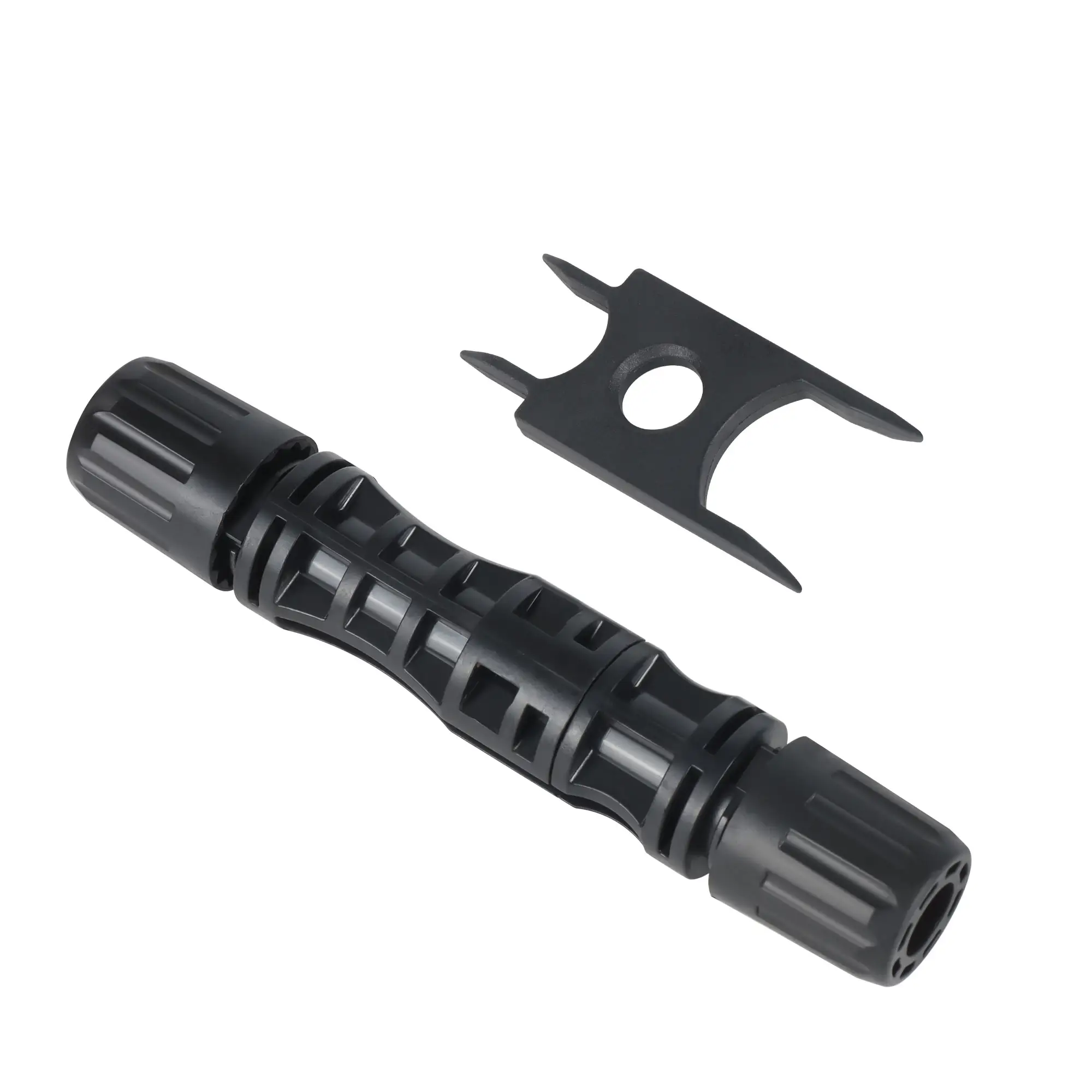
Overheating in a solar connector is one of the most common yet underestimated causes of performance loss and safety hazards in photovoltaic systems. When a solar connector runs hotter than its rated operating temperature, the consequences range from gradual power degradation to arc faults, melted housings, and in severe cases, electrical fires. Understanding how to prevent and troubleshoot this issue is essential for installers, system integrators, and maintenance engineers who want to protect both their equipment and their clients' investments.
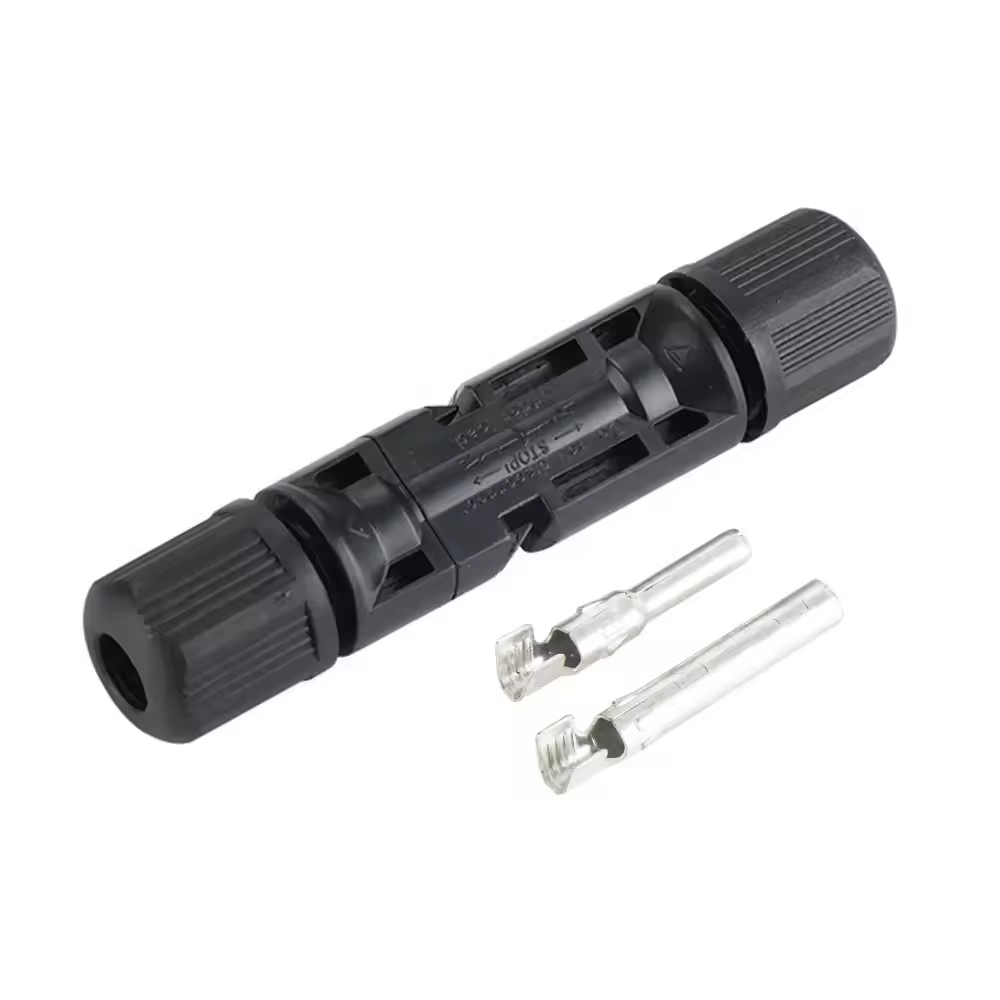
This guide walks through the root causes of solar connector overheating, the warning signs to watch for, and the practical steps you can take to prevent the problem before it starts and resolve it when it appears. Whether you are commissioning a new rooftop array or auditing an aging utility-scale installation, the principles covered here apply directly to keeping your solar connector junctions cool, reliable, and code-compliant.
Why Solar Connectors Overheat
Resistance as the Primary Driver
Every solar connector junction introduces a small amount of electrical resistance into the circuit. Under normal conditions, this resistance is negligible and the connector operates well within its thermal limits. However, when resistance rises due to poor contact, contamination, or mechanical damage, the junction begins to dissipate energy as heat rather than passing it along as useful current. This is the fundamental physics behind virtually every overheating event in a solar connector.
Resistance increases for several reasons. Oxidation on the contact surfaces creates a thin insulating layer that forces current through a smaller effective contact area. Loose crimps leave air gaps between the conductor and the contact pin, concentrating current flow and generating localized heat. Even a partially engaged solar connector housing can allow micro-movement under thermal cycling, gradually wearing down the contact surfaces and raising resistance over time.
The relationship between resistance and heat is not linear. As the junction warms, the resistance of most metals increases further, which generates more heat, which raises resistance again. This self-reinforcing cycle means that a solar connector with even a modest contact problem can escalate to a dangerous temperature surprisingly quickly under full-load conditions.
Environmental and Installation Factors
Beyond contact quality, the operating environment plays a significant role in solar connector thermal behavior. Connectors installed in poorly ventilated conduit bundles or pressed tightly against roofing membranes have limited ability to shed heat to the surrounding air. When ambient temperatures are already high, as they often are on a south-facing roof in summer, the thermal headroom available to the connector shrinks considerably.
Moisture ingress is another environmental factor that accelerates overheating. A solar connector that has lost its IP rating due to a cracked housing or an improperly seated seal allows humidity to enter the contact cavity. Water and dissolved salts promote corrosion, which raises contact resistance and initiates the heating cycle described above. Connectors in coastal or high-humidity environments are particularly vulnerable if the original installation did not use properly rated components.
Mismatched connector brands are a frequently overlooked installation factor. The photovoltaic industry has converged on a broadly similar connector form factor, but dimensional tolerances, contact spring forces, and locking mechanisms vary between manufacturers. Mating a solar connector from one brand with a housing from another can result in incomplete engagement, reduced contact area, and elevated resistance even when the connection appears visually secure.
Recognizing the Warning Signs
Visual and Physical Indicators
The earliest visible sign of a solar connector overheating problem is often discoloration. The polymer housing of a healthy connector is typically black or dark grey with a uniform surface finish. A connector that has been running hot will show browning, yellowing, or a chalky, degraded texture around the mating interface or along the cable entry point. In advanced cases, the housing may be visibly warped, cracked, or partially melted.
Cable insulation near the connector is another reliable indicator. PV cable is rated to handle elevated temperatures, but sustained overheating at the junction will eventually cause the insulation to harden, crack, or discolor within a few centimeters of the connector body. If you notice this during a visual inspection, treat it as a serious warning that the solar connector has been operating outside its thermal limits for an extended period.
A burning or acrid smell during or after peak generation hours is a strong signal that a solar connector somewhere in the array is overheating. This smell comes from the thermal degradation of the polymer housing or cable insulation and should prompt an immediate inspection rather than a wait-and-see approach.
Electrical and Thermal Measurement Methods
Infrared thermography is the most effective tool for identifying overheating solar connector junctions without interrupting system operation. A thermal imaging camera used during peak generation hours will reveal hot spots at problem junctions as bright areas against the cooler background of healthy connectors and cables. Even a modest temperature differential of 10 to 15 degrees Celsius above adjacent connectors warrants investigation.
Contact resistance measurement provides a quantitative baseline for solar connector health. Using a milliohm meter or a dedicated connector resistance tester, a healthy junction should measure well below 1 milliohm. Readings above 5 milliohms indicate a degraded contact that will generate measurable heat under load. This test requires the string to be de-energized and is best performed during commissioning and at regular maintenance intervals.
String-level current monitoring can also reveal overheating problems indirectly. A solar connector with high resistance will reduce the current output of the affected string relative to adjacent strings of similar orientation and shading. If your monitoring system shows a persistent underperforming string without an obvious cause such as shading or soiling, a degraded connector junction is a strong candidate.
Prevention Strategies for Long-Term Reliability
Correct Crimping and Assembly Practices
The single most effective way to prevent solar connector overheating is to ensure every crimp is made correctly at the time of installation. This means using the manufacturer-specified crimping tool for the specific solar connector model and conductor cross-section. Generic or undersized crimping tools produce crimps that look acceptable visually but have insufficient contact area and mechanical retention to perform reliably over a 25-year system life.
Conductor preparation is equally important. The cable insulation must be stripped to the exact length specified for the contact pin, leaving no exposed conductor beyond the crimp barrel and no insulation inside it. Strands that are nicked, frayed, or folded back during stripping reduce the effective conductor cross-section and create points of elevated resistance within the crimp itself. A properly prepared and crimped solar connector contact should pass a pull-out force test before the housing is assembled.
After crimping, the contact must be fully inserted into the housing until the locking mechanism audibly clicks into place. A partially inserted contact is one of the most common causes of field failures because it is not detectable by visual inspection of the assembled connector. Develop a habit of applying a firm pull-test to every assembled solar connector to confirm that the contact is properly retained.
Component Selection and Compatibility
Selecting a solar connector that is rated for the actual operating conditions of the installation is a foundational prevention step. For systems operating at 1000V DC, the connector must carry a 1000V rating with appropriate safety margins. Using a connector rated for a lower voltage in a higher-voltage system is a code violation and a thermal risk, because the reduced creepage and clearance distances can lead to partial discharge and resistive heating at the contact interface.
Current rating is equally critical. A solar connector rated for 30 amperes should not be used in a string where the maximum short-circuit current approaches or exceeds that figure. Thermal derating curves published by connector manufacturers show how the rated current must be reduced as ambient temperature increases. In hot climates or enclosed installations, applying a conservative derating factor is a straightforward way to keep the solar connector operating well within its thermal comfort zone.
Always mate connectors from the same manufacturer and product family. If a system uses a specific solar connector model on the module side, use the same model for field-installed connectors and string combiners. Mixing brands introduces dimensional uncertainty that can compromise contact engagement and void the certifications of both components.
Sealing, Routing, and Environmental Protection
Maintaining the IP rating of every solar connector in the field requires attention to both the connector itself and the cable management around it. Cables should enter the connector housing at the correct angle and with sufficient strain relief to prevent the cable from pulling the housing out of alignment over time. Excessive cable tension or sharp bends near the connector can deform the seal and allow moisture ingress.
In installations where connectors are exposed to standing water, such as flat roofs or ground-mount systems with poor drainage, consider using connector covers or positioning connectors to face downward so that gravity assists drainage rather than pooling. Even a fully rated solar connector will degrade faster if it spends extended periods submerged or in contact with pooled water.
Cable routing that allows adequate airflow around connector junctions reduces the ambient temperature the connector must shed heat into. Avoid bundling large numbers of cables tightly together over long runs, and where possible, leave a small gap between cable bundles and mounting surfaces to allow convective cooling. These simple routing practices can meaningfully extend the service life of every solar connector in the array.
Troubleshooting an Overheating Solar Connector
Isolation and Safe De-Energization
Before any hands-on troubleshooting of a suspected overheating solar connector, the affected string must be safely de-energized. This means opening the string combiner fuse or breaker on the DC side and confirming with a calibrated voltmeter that the connector junction is at zero volts before touching it. PV strings remain energized as long as there is light on the modules, so de-energization requires either working at night, covering the modules with an opaque tarp, or both, depending on the system voltage and your local safety regulations.
Once de-energized, allow the connector to cool fully before handling it. A solar connector that has been running hot may have a housing that is structurally compromised, and handling it while still warm increases the risk of cracking the housing and exposing live contacts when the string is re-energized. Use insulated gloves and follow your organization's lockout-tagout procedures throughout the troubleshooting process.
Diagnosis, Replacement, and Verification
With the connector safely de-energized and cooled, begin diagnosis by disconnecting the mating halves and inspecting the contact pins and sockets under good lighting. Look for discoloration, pitting, carbon deposits, or deformation of the contact surfaces. Any of these findings confirms that the solar connector has experienced thermal stress and must be replaced rather than cleaned and re-used. Attempting to restore a thermally damaged contact to service is a false economy that typically leads to a repeat failure within months.
Measure the resistance of the replacement crimp before assembling the new solar connector housing. If the resistance is within specification, assemble and engage the housing, confirm the locking click, and apply a pull-test. Re-energize the string and use a clamp meter to confirm that the string current matches adjacent strings of similar configuration. If the current is still low, the problem may be at a different junction in the string, and the thermal imaging inspection should be repeated.
Document every solar connector replacement with the date, location in the array, measured resistance before and after, and any observations about the failure mode. This record becomes valuable during future maintenance audits and can reveal patterns such as a specific module brand with undersized connector pins or a section of the array with a chronic moisture problem that needs a more systematic solution.
FAQ
How hot is too hot for a solar connector?
Most solar connector products are rated for continuous operation up to 90 degrees Celsius at the contact, with some high-temperature variants rated to 105 degrees Celsius. In practice, a junction temperature more than 20 degrees Celsius above the ambient temperature of adjacent connectors is a warning sign worth investigating, even if the absolute temperature is within the rated range. The differential matters because it indicates elevated resistance at that specific junction relative to its neighbors.
Can a solar connector be repaired, or does it always need replacement?
A solar connector that has experienced visible thermal damage to the housing or contact surfaces should always be replaced, not repaired. The polymer housing of a thermally stressed connector has degraded mechanical and dielectric properties that cannot be restored by cleaning or re-assembly. Replacement with a new, correctly crimped connector is the only reliable fix. If the connector shows no thermal damage but has a high resistance reading, re-crimping the contact with the correct tool and a fresh contact pin is acceptable, provided the cable conductor is also inspected and found to be undamaged.
How often should solar connectors be inspected for overheating?
A visual inspection of accessible solar connector junctions should be part of every annual maintenance visit. Infrared thermography under load conditions is recommended every two to three years for residential systems and annually for commercial and utility-scale installations. Systems in harsh environments, such as coastal, desert, or high-humidity locations, benefit from more frequent inspection because the environmental stressors that promote solar connector degradation are more intense and act more quickly.
Does using a higher-rated solar connector prevent overheating?
Using a solar connector with a higher current or voltage rating than the minimum required does provide additional thermal headroom and is a reasonable conservative practice, particularly in high-ambient-temperature environments. However, a higher-rated solar connector will still overheat if it is incorrectly crimped, improperly mated, or exposed to moisture ingress. Rating selection addresses thermal margin, but it does not substitute for correct installation practice and regular maintenance. Both factors must be addressed together for reliable long-term performance.