
 EN
EN



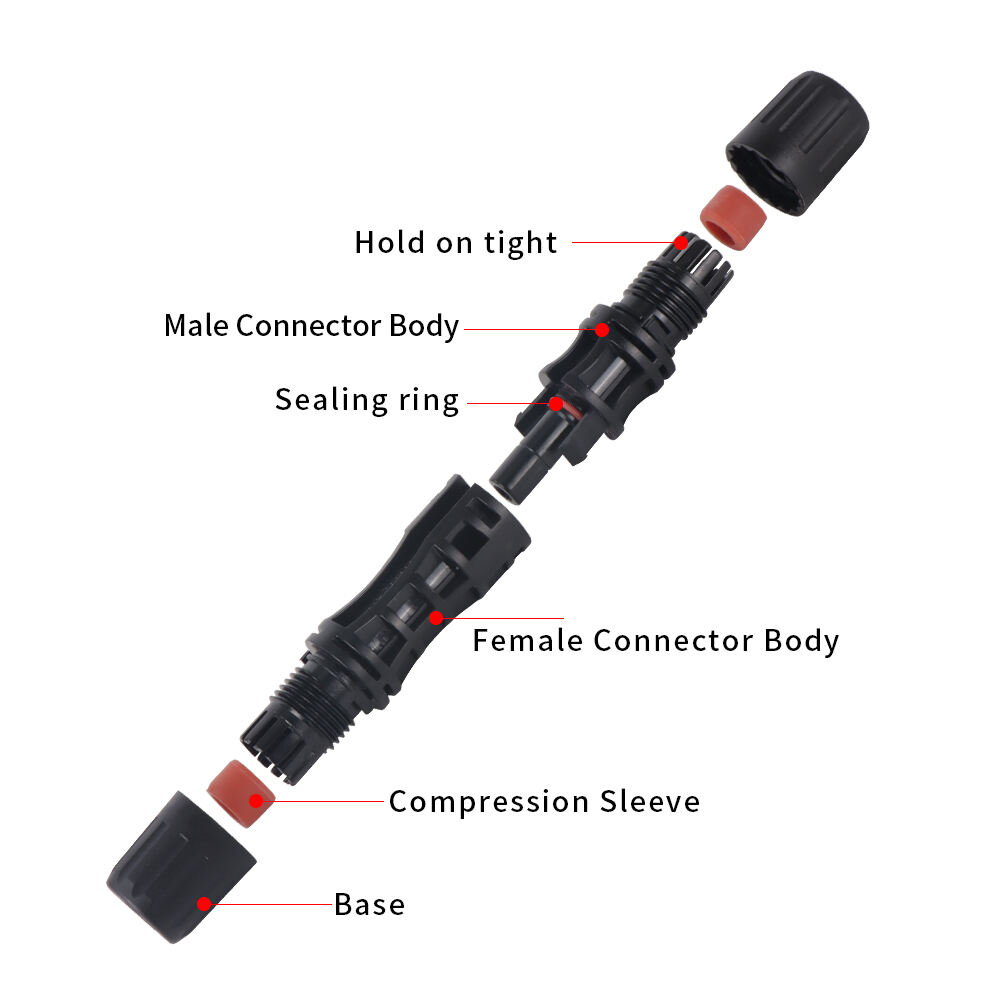
The solar energy industry is evolving at a remarkable pace, and the components that hold photovoltaic systems together are evolving just as fast. Among these, the solar connector has moved from a simple wiring accessory to a precision-engineered component that directly influences system safety, efficiency, and long-term reliability. As installations grow in scale and complexity — from rooftop residential arrays to utility-scale solar farms — the demands placed on every solar connector in the system have intensified considerably.
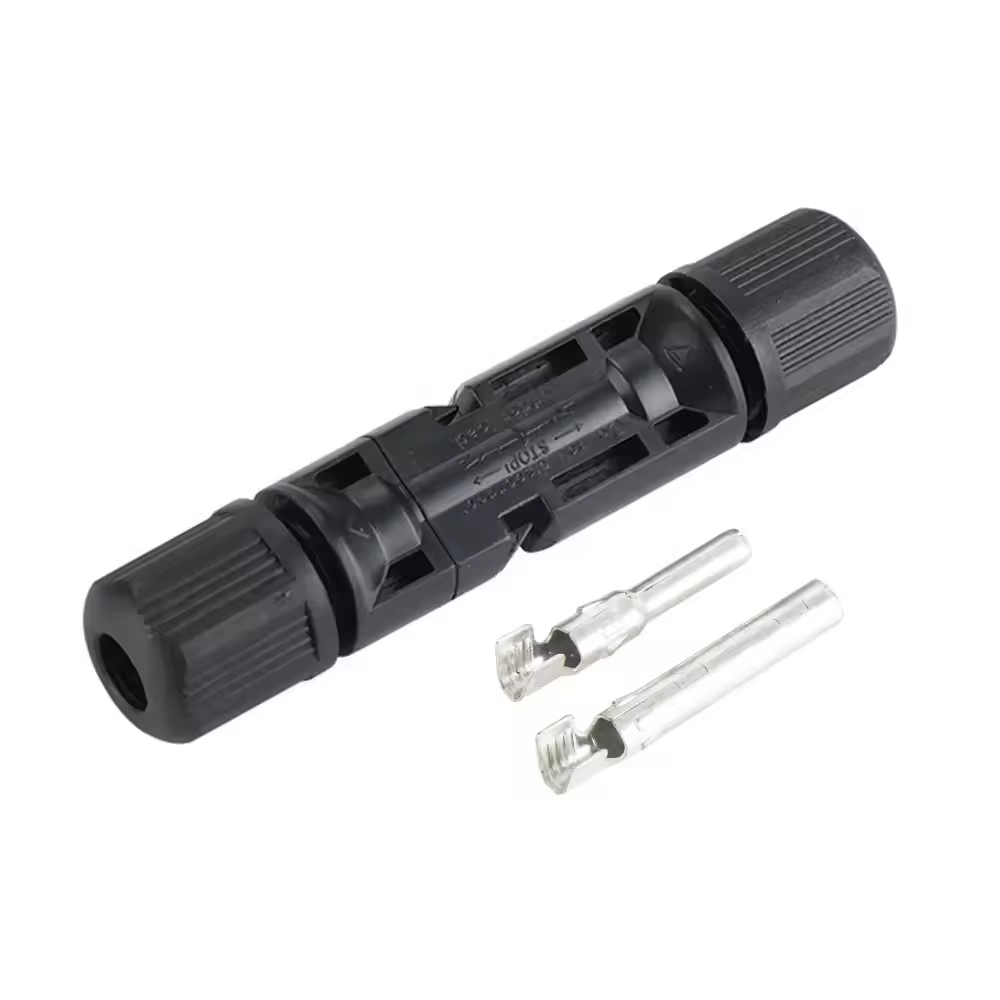
Understanding the latest trends in quick-connect solar connector technology is essential for engineers, procurement specialists, and project developers who want to stay ahead of performance benchmarks and compliance requirements. This article examines the key directions shaping solar connector design and adoption today, covering voltage rating advancements, material innovations, smart monitoring integration, and the push toward standardized interoperability — all of which are redefining what a modern solar connector can and should deliver.
Higher Voltage Ratings and System-Level Efficiency
The Shift Toward 1500V and Beyond
One of the most significant trends in solar connector technology is the industry-wide migration from 1000V to 1500V DC systems. Higher system voltages reduce the number of strings required in a solar array, which in turn lowers balance-of-system costs, reduces cable runs, and improves overall energy yield. For every solar connector deployed in these higher-voltage environments, the electrical and mechanical specifications must be substantially more demanding than those used in legacy 1000V designs.
A solar connector rated for 1500V must maintain reliable contact resistance under sustained high-voltage stress, thermal cycling, and UV exposure. Manufacturers have responded by redesigning contact geometries, increasing creepage and clearance distances, and selecting dielectric materials with superior arc-resistance properties. The result is a new generation of solar connector products that are physically compact yet electrically robust enough to handle the elevated demands of modern high-voltage arrays.
For utility-scale developers, the economic case for 1500V systems is compelling. Fewer combiners, shorter cable lengths, and reduced installation labor all contribute to a lower levelized cost of energy. The solar connector sits at the heart of this transition, and its ability to perform reliably at elevated voltages is a non-negotiable prerequisite for realizing those savings over a 25-year project lifespan.
Thermal Management in High-Current Applications
As module power outputs increase and string currents rise, thermal management within the solar connector has become a critical design consideration. Excessive contact resistance generates heat, which accelerates insulation degradation and can ultimately lead to arc faults or fire hazards. Leading connector designs now incorporate silver-plated or tin-plated copper contacts with tighter dimensional tolerances to minimize resistive heating at the connection point.
Some advanced solar connector designs also feature enhanced heat dissipation geometries, where the connector housing is shaped to promote convective cooling in densely packed junction boxes and combiner enclosures. These thermal improvements are not merely incremental — they represent a fundamental rethinking of how a solar connector manages energy at the point of contact, particularly in high-density commercial and industrial rooftop installations where airflow is restricted.
Material and Sealing Innovations for Harsh Environments
Advanced Polymer Compounds for UV and Chemical Resistance
Outdoor photovoltaic installations expose every solar connector to decades of UV radiation, temperature extremes, moisture ingress, and in some environments, chemical contamination from agricultural or industrial activity. Traditional thermoplastic materials have given way to high-performance polymer compounds — including modified polyamides and halogen-free flame-retardant formulations — that offer significantly improved resistance to UV-induced embrittlement and surface tracking.
The choice of housing material in a solar connector directly affects its IP rating retention over time. A connector that achieves IP67 or IP68 on day one but loses its sealing integrity after five years of thermal cycling provides a false sense of security. Modern material science has addressed this by developing elastomeric sealing elements that maintain their compression set characteristics across a wider temperature range, ensuring that the solar connector continues to exclude moisture and contaminants throughout its service life.
Halogen-free materials have also gained traction in markets where fire safety regulations are stringent. In the event of a fault, a solar connector made from halogen-free compounds produces significantly less toxic smoke, which is an important consideration for building-integrated photovoltaic applications and installations in densely populated areas.
Improved Locking Mechanisms and Pull-Out Force Standards
The mechanical integrity of a solar connector is just as important as its electrical performance. Accidental disconnection under load is a serious safety hazard, and industry standards have progressively tightened the minimum pull-out force requirements for quick-connect solar connector designs. Modern locking mechanisms use multi-stage latching geometries that require deliberate tool-assisted disengagement, preventing inadvertent disconnection during maintenance or in high-wind conditions.
Some manufacturers have introduced color-coded locking indicators and audible click confirmation features that give field technicians immediate tactile and visual feedback that a solar connector is fully seated and locked. These seemingly small ergonomic improvements have a measurable impact on installation quality, reducing the incidence of partially engaged connections that can cause intermittent faults and localized heating over time.
Smart Monitoring and Digitally Integrated Solar Connectors
Embedded Sensing and Condition Monitoring
Perhaps the most forward-looking trend in solar connector technology is the integration of embedded sensing capabilities directly into the connector body. Prototype and early-commercial designs now incorporate miniaturized temperature sensors and current-sensing elements that can transmit real-time data to a central monitoring platform via wireless protocols. This transforms the solar connector from a passive electrical component into an active node in the system's digital monitoring architecture.
The practical value of this capability is substantial. A solar connector that reports its own temperature and contact resistance allows operations and maintenance teams to identify degrading connections before they become fault conditions. Predictive maintenance based on connector-level data can prevent costly downtime, reduce the risk of arc faults, and extend the operational life of the broader photovoltaic system. For large utility-scale plants with tens of thousands of connectors, even a modest improvement in fault detection speed translates into significant revenue protection.
While fully smart solar connector products are still emerging, the underlying sensing and communication technologies are maturing rapidly. As the cost of miniaturized electronics continues to fall, it is reasonable to expect that condition-monitoring capabilities will become a standard feature in premium solar connector product lines within the next few years.
Integration with Asset Management Platforms
Beyond individual connector monitoring, there is a broader trend toward integrating solar connector data into plant-level asset management and SCADA systems. When connector health data is correlated with string-level power output and environmental conditions, operators gain a much richer picture of system performance. Anomalies that would previously require a physical site inspection can be diagnosed remotely, reducing operational expenditure and improving response times.
This integration trend is driving demand for solar connector designs that are compatible with standardized communication protocols and that can be easily incorporated into existing monitoring infrastructure. Procurement teams are increasingly evaluating solar connector products not just on their electrical and mechanical specifications, but on their compatibility with digital operations frameworks — a shift that reflects the broader digitalization of the solar energy sector.
Standardization, Interoperability, and Compliance Trends
The Push for Cross-Compatible Quick-Connect Designs
Historically, the solar connector market has been fragmented, with proprietary designs from different manufacturers that are nominally similar but not genuinely interchangeable. This has created significant challenges for system integrators and O&M providers who must manage mixed-brand installations. The industry has been moving — albeit slowly — toward greater interoperability, driven by pressure from large-scale developers and updated guidance from certification bodies.
The core issue is that mating a solar connector from one manufacturer with a counterpart from a different manufacturer can result in dimensional mismatches that compromise the sealing interface or the contact engagement depth. Even if the connection appears secure, the long-term reliability may be significantly lower than a matched-pair connection. Awareness of this risk has grown considerably, and many project specifications now explicitly require matched solar connector pairs from a single qualified source.
At the same time, standards bodies are working to define tighter dimensional and performance tolerances that would enable genuine interoperability without sacrificing reliability. Progress has been gradual, but the direction of travel is clear: the next generation of solar connector standards will place greater emphasis on cross-compatibility testing and third-party verification of mating performance.
Evolving Certification Requirements and Regional Compliance
Certification requirements for the solar connector continue to evolve in response to field failure data and advances in testing methodology. IEC 62852 remains the primary international standard governing solar connector performance, but regional markets — particularly in North America, Europe, and parts of Asia — have additional requirements that must be satisfied before a solar connector can be specified on a project.
Recent updates to certification protocols have placed greater emphasis on long-term aging tests, including damp heat exposure, thermal cycling, and UV weathering sequences that more accurately simulate real-world service conditions. A solar connector that passes these extended test sequences provides a much stronger reliability assurance than one certified under older, less demanding protocols. Procurement professionals should verify that any solar connector under consideration carries current certifications under the latest applicable standard revisions.
Compliance with fire safety standards is also becoming more prominent, particularly for building-integrated and commercial rooftop applications. The solar connector's flame-retardancy rating, smoke density characteristics, and behavior under arc fault conditions are all receiving greater scrutiny from building codes and insurance underwriters, adding another dimension to the specification process.
Sustainability and End-of-Life Considerations
Material Selection and Recyclability
As the solar industry matures and the first large cohorts of photovoltaic installations approach end-of-life, attention is turning to the recyclability and environmental footprint of system components — including the solar connector. Halogen-free and heavy-metal-free material formulations are increasingly preferred not only for their safety performance but also for their compatibility with established recycling streams.
Some solar connector manufacturers are beginning to publish environmental product declarations that quantify the carbon footprint and material composition of their products, enabling project developers to make more informed decisions in the context of whole-system lifecycle assessments. This transparency is still relatively rare in the connector segment, but it is likely to become a standard expectation as sustainability reporting requirements tighten across the renewable energy sector.
Design for Disassembly and Reuse
A related trend is the design of solar connector products that can be safely and efficiently disassembled at end-of-life, allowing the copper contacts and housing materials to be recovered and recycled separately. Traditional potted or permanently sealed designs make material recovery difficult and costly. Newer designs that use mechanical retention rather than adhesive bonding are better suited to disassembly, and this characteristic is beginning to appear as a specification criterion in sustainability-focused procurement frameworks.
The economic value of copper recovery from decommissioned solar connector populations is not trivial at scale. A utility-scale solar plant may contain hundreds of thousands of individual connectors, and the aggregate copper content represents a meaningful material stream. Designing for efficient recovery from the outset is both an environmental responsibility and a practical economic consideration for the industry.
FAQ
What makes a quick-connect solar connector different from a standard electrical connector?
A quick-connect solar connector is specifically engineered for outdoor photovoltaic applications, featuring UV-resistant housing materials, IP-rated weatherproof sealing, and locking mechanisms designed to prevent accidental disconnection under load. Standard electrical connectors are typically not rated for the sustained DC voltages, outdoor exposure conditions, or the specific safety requirements that govern photovoltaic systems. The solar connector also undergoes certification testing under standards such as IEC 62852, which are tailored to the unique demands of solar energy installations.
How does voltage rating affect solar connector selection for a new project?
The system voltage determines the minimum voltage rating required for every solar connector in the array. For 1500V DC systems, which are now common in utility-scale projects, the solar connector must be rated and certified for that voltage level, with adequate creepage and clearance distances to prevent tracking or arc faults. Using a 1000V-rated solar connector in a 1500V system is a serious safety violation and will void certifications. Always verify that the connector's rated voltage matches or exceeds the maximum open-circuit voltage of the system under worst-case temperature conditions.
Can solar connectors from different manufacturers be safely mated together?
This is a widely debated topic in the industry. While many quick-connect solar connector designs appear physically similar, mating products from different manufacturers is generally not recommended unless both parties have explicitly validated and certified the cross-mating combination. Dimensional tolerances, sealing geometry, and contact engagement depth can vary enough between brands to compromise long-term reliability. Most certification standards and project specifications require matched solar connector pairs from a single qualified source to ensure consistent performance.
What should procurement teams look for when evaluating solar connector products for a large-scale project?
Key evaluation criteria include current and voltage ratings appropriate for the system design, certification status under the latest revision of IEC 62852 or applicable regional standards, IP rating and sealing durability under extended aging tests, material compliance with halogen-free and RoHS requirements, and compatibility with the specific cable cross-sections used in the project. For projects with digital monitoring ambitions, evaluating whether the solar connector is compatible with condition-monitoring platforms is increasingly relevant. Pull-out force ratings, locking mechanism reliability, and the availability of matched mating pairs should also be confirmed before finalizing specifications.
Table of Contents
- Higher Voltage Ratings and System-Level Efficiency
- Material and Sealing Innovations for Harsh Environments
- Smart Monitoring and Digitally Integrated Solar Connectors
- Standardization, Interoperability, and Compliance Trends
- Sustainability and End-of-Life Considerations
-
FAQ
- What makes a quick-connect solar connector different from a standard electrical connector?
- How does voltage rating affect solar connector selection for a new project?
- Can solar connectors from different manufacturers be safely mated together?
- What should procurement teams look for when evaluating solar connector products for a large-scale project?