
 EN
EN



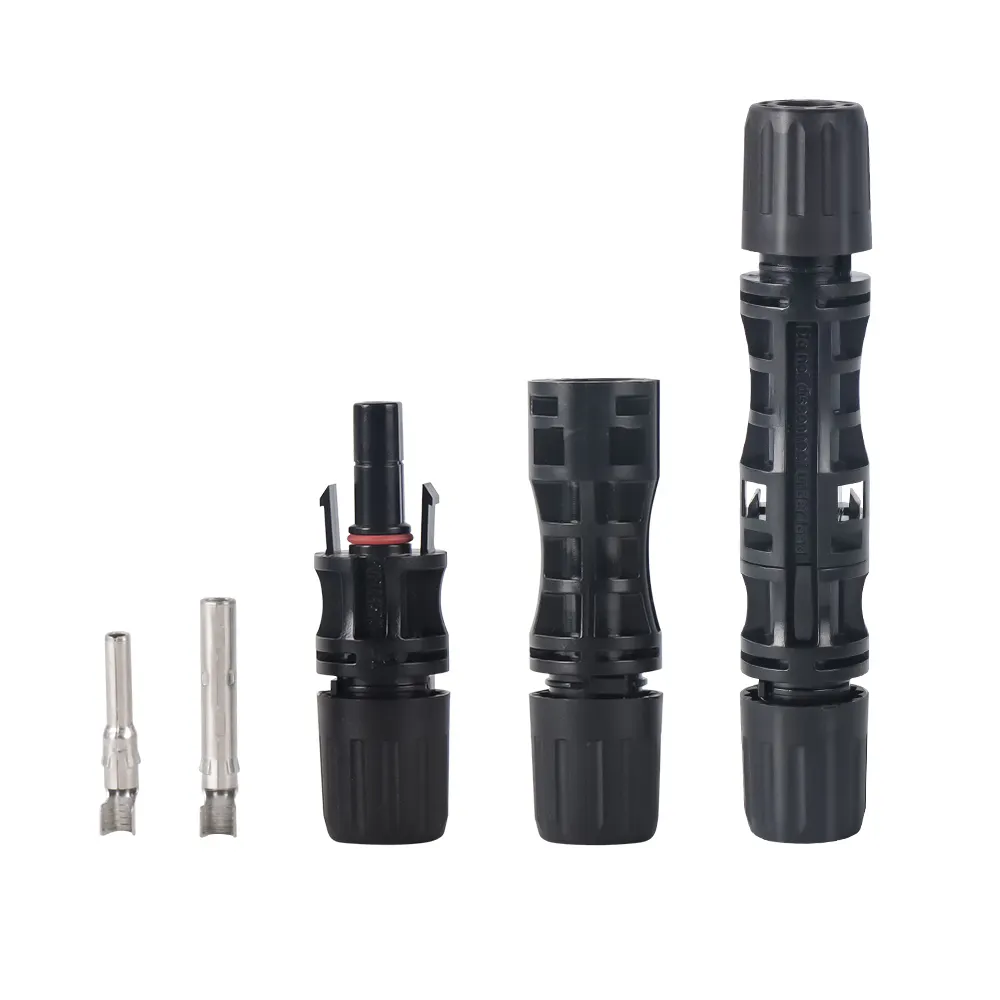
Solar energy systems have become increasingly sophisticated, requiring components that can withstand harsh environmental conditions while maintaining optimal performance. Among the most critical elements in any solar installation are photovoltaic connectors, which serve as the vital link between solar panels, inverters, and other system components. These specialized connectors must handle significant electrical loads, resist weather extremes, and provide reliable connections for decades of operation. Understanding the advantages of high-quality photovoltaic connectors is essential for anyone involved in solar system design, installation, or maintenance.
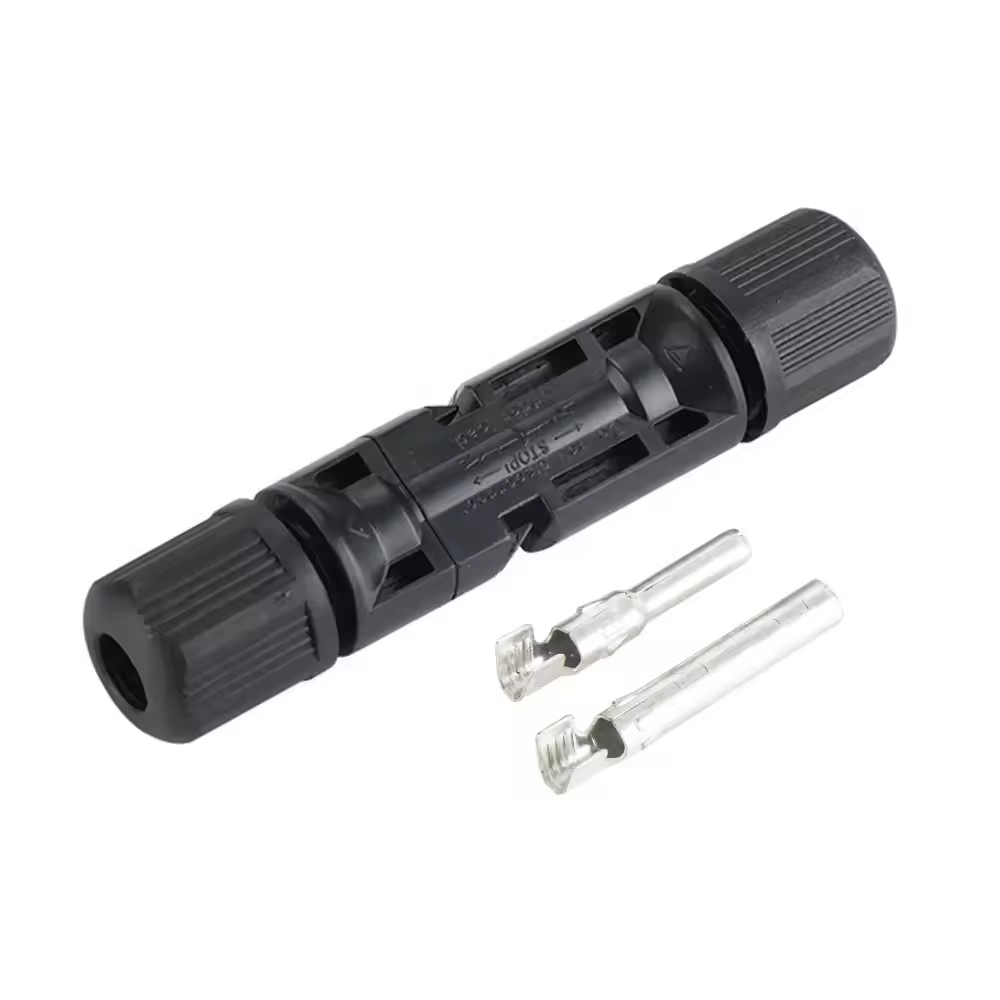
The quality of connectors directly impacts the overall efficiency, safety, and longevity of solar energy systems. Premium connectors offer superior electrical conductivity, enhanced weatherproofing, and robust mechanical integrity that ensures consistent power transmission over the system's operational lifetime. When solar installers and system designers prioritize high-quality connectors, they create installations that deliver maximum energy output while minimizing maintenance requirements and potential failures.
Enhanced Electrical Performance and Efficiency
Superior Conductivity and Low Resistance
High-quality photovoltaic connectors utilize premium conductive materials, typically copper or silver-plated contacts, which significantly reduce electrical resistance compared to standard alternatives. This reduced resistance translates directly into improved energy transfer efficiency, ensuring that more of the power generated by solar panels reaches the inverter and ultimately the electrical grid or storage system. The difference in conductivity can result in measurable improvements in overall system performance, particularly in large-scale installations where even small efficiency gains compound significantly.
Premium connectors also maintain their conductivity characteristics over extended periods, resisting corrosion and oxidation that can degrade electrical performance. The use of high-grade materials and advanced plating techniques ensures that contact resistance remains consistently low throughout the connector's operational life. This stability is crucial for maintaining optimal power transfer as the solar system ages, preventing the gradual efficiency decline that can occur with inferior connectors.
Minimized Power Loss and Heat Generation
Electrical resistance in connectors generates unwanted heat, which not only represents lost energy but can also accelerate component degradation and create safety hazards. Quality photovoltaic connectors are engineered to minimize resistance, thereby reducing heat generation and improving overall system efficiency. The advanced materials and precision manufacturing techniques used in premium connectors ensure tight tolerances and optimal contact pressure, which are essential for maintaining low resistance connections.
The reduced heat generation also contributes to improved component reliability and extended service life. Excessive heat can accelerate the aging of plastic housings, gaskets, and other connector components, leading to premature failures and potentially dangerous conditions. By choosing high-quality connectors that operate at lower temperatures, system owners can expect better long-term performance and reduced maintenance requirements.
Superior Weather Resistance and Durability
Advanced Environmental Protection
Solar installations must withstand decades of exposure to harsh environmental conditions, including extreme temperatures, UV radiation, moisture, and corrosive atmospheric elements. Premium photovoltaic connectors incorporate advanced materials and sealing technologies that provide exceptional protection against these environmental challenges. The housings are typically manufactured from high-grade polymers with UV stabilizers and flame-retardant properties, ensuring they maintain their structural integrity and electrical insulation properties over extended periods.
The sealing systems in quality connectors utilize multiple barriers to prevent moisture ingress, including precision-molded gaskets, advanced sealants, and innovative contact protection mechanisms. These comprehensive sealing solutions ensure that connectors maintain their IP67 or IP68 ratings throughout their operational life, preventing water infiltration that could cause corrosion, short circuits, or other electrical faults. The superior environmental protection provided by premium connectors is particularly important in coastal areas, industrial environments, or regions with extreme weather patterns.
Extended Operational Lifespan
The combination of superior materials, advanced manufacturing techniques, and comprehensive environmental protection enables high-quality photovoltaic connectors to achieve operational lifespans that match or exceed those of the solar panels themselves. While standard connectors may begin showing signs of degradation within 10-15 years, premium connectors are designed to maintain their performance characteristics for 25 years or more. This extended lifespan reduces the need for replacement and maintenance, resulting in lower total cost of ownership and improved system reliability.
The durability of quality connectors also extends to their mechanical properties, with robust locking mechanisms and strain relief features that prevent accidental disconnection or damage from thermal cycling, wind loading, or installation stresses. These mechanical design features ensure that connections remain secure and reliable throughout the system's operational life, reducing the risk of arc faults or other dangerous conditions that can arise from loose or damaged connections.
Enhanced Safety Features and Compliance
Arc Fault Prevention and Electrical Safety
Safety is paramount in solar installations, and high-quality photovoltaic connectors incorporate multiple design features that enhance system safety and prevent dangerous conditions. Advanced contact designs minimize the potential for arc formation during connection or disconnection, while robust locking mechanisms prevent accidental disconnection that could create dangerous arc faults. The superior materials and construction techniques used in premium connectors also provide better resistance to thermal stress and mechanical wear that could compromise electrical integrity.
Quality connectors also feature enhanced insulation properties and creepage distances that prevent electrical tracking and reduce the risk of ground faults or other electrical hazards. The use of flame-retardant materials and advanced thermal management techniques ensures that connectors can safely handle fault conditions without creating fire hazards or propagating electrical problems throughout the system. These safety features are particularly important in residential installations where electrical faults could pose significant risks to property and occupants.
Regulatory Compliance and Certification Standards
Premium photovoltaic connectors are manufactured to meet or exceed the most stringent international safety and performance standards, including UL, TUV, IEC, and other recognized certification requirements. These certifications provide assurance that connectors have been thoroughly tested for electrical performance, environmental resistance, mechanical durability, and safety characteristics. The comprehensive testing protocols required for certification ensure that connectors will perform reliably under the full range of conditions they may encounter in real-world installations.
Compliance with recognized standards also facilitates system approval and inspection processes, reducing the complexity and time required for project completion. Many jurisdictions require the use of certified components in solar installations, making the selection of properly certified connectors essential for project approval. The documentation and traceability provided with certified premium connectors also supports warranty claims and insurance requirements, providing additional protection for system owners and installers.
Cost-Effectiveness and Return on Investment
Reduced Maintenance and Replacement Costs
While high-quality photovoltaic connectors typically require a higher initial investment compared to standard alternatives, they deliver significant cost savings over the system's operational life through reduced maintenance requirements and extended service life. The superior durability and reliability of premium connectors minimize the need for replacement and repair, reducing both material costs and labor expenses associated with system maintenance. This is particularly important for large commercial or utility-scale installations where maintenance activities can be complex and expensive.
The improved reliability of quality connectors also reduces the risk of unexpected system downtime, which can result in significant revenue losses for commercial solar installations. By investing in premium connectors, system owners can minimize the risk of production interruptions and ensure consistent energy generation throughout the system's operational life. The avoided costs of emergency repairs, system downtime, and premature component replacement often exceed the additional initial investment in quality connectors.
Improved System Performance and Energy Yield
The enhanced electrical performance characteristics of high-quality photovoltaic connectors directly translate into improved energy yield and system performance. The reduced electrical losses associated with superior conductivity and lower resistance connections result in measurable increases in power output, which can significantly impact the financial returns from solar investments. Over the 25-year typical lifespan of a solar system, even small improvements in efficiency can result in substantial additional revenue or energy savings.
The consistent performance characteristics maintained by quality connectors throughout their operational life ensure that system efficiency remains stable over time, preventing the gradual degradation that can occur with inferior components. This stability in performance is particularly valuable for commercial and utility-scale installations where predictable energy production is essential for financial planning and contract compliance. The improved return on investment delivered by quality connectors makes them a sound financial choice for serious solar installations.
FAQ
What is the typical lifespan of high-quality photovoltaic connectors
High-quality photovoltaic connectors are designed to last 25 years or more when properly installed and maintained. Premium connectors utilize advanced materials and manufacturing techniques that resist environmental degradation, ensuring they maintain their electrical and mechanical properties throughout the solar system's operational life. The extended lifespan of quality connectors matches or exceeds that of the solar panels themselves, providing consistent performance and reducing the need for replacement during the system's lifetime.
How do quality connectors improve solar system safety
Quality photovoltaic connectors enhance system safety through multiple design features including arc fault prevention, robust insulation properties, flame-retardant materials, and secure locking mechanisms that prevent accidental disconnection. These connectors are manufactured to meet stringent safety standards and undergo comprehensive testing to ensure they can safely handle fault conditions without creating fire hazards or electrical dangers. The superior construction and materials used in premium connectors significantly reduce the risk of electrical accidents and system failures.
What certifications should I look for in photovoltaic connectors
Look for photovoltaic connectors that have been certified by recognized testing organizations such as UL (Underwriters Laboratories), TUV (Technischer Überwachungsverein), and meet IEC (International Electrotechnical Commission) standards. These certifications ensure that connectors have been thoroughly tested for electrical performance, environmental resistance, mechanical durability, and safety characteristics. Certified connectors are more likely to be accepted by inspectors and insurance providers, and they provide assurance of quality and reliability.
How do I determine if connectors are compatible with my solar system
Connector compatibility depends on several factors including voltage and current ratings, mechanical fit with existing components, and compliance with system design requirements. Ensure that connectors are rated for your system's maximum voltage and current levels, typically 1000V or 1500V for modern solar installations. Check that the connector types match your solar panels and other system components, and verify that they meet the environmental ratings required for your installation location. Consult with system designers or manufacturers to ensure proper compatibility and optimal performance.