
 EN
EN



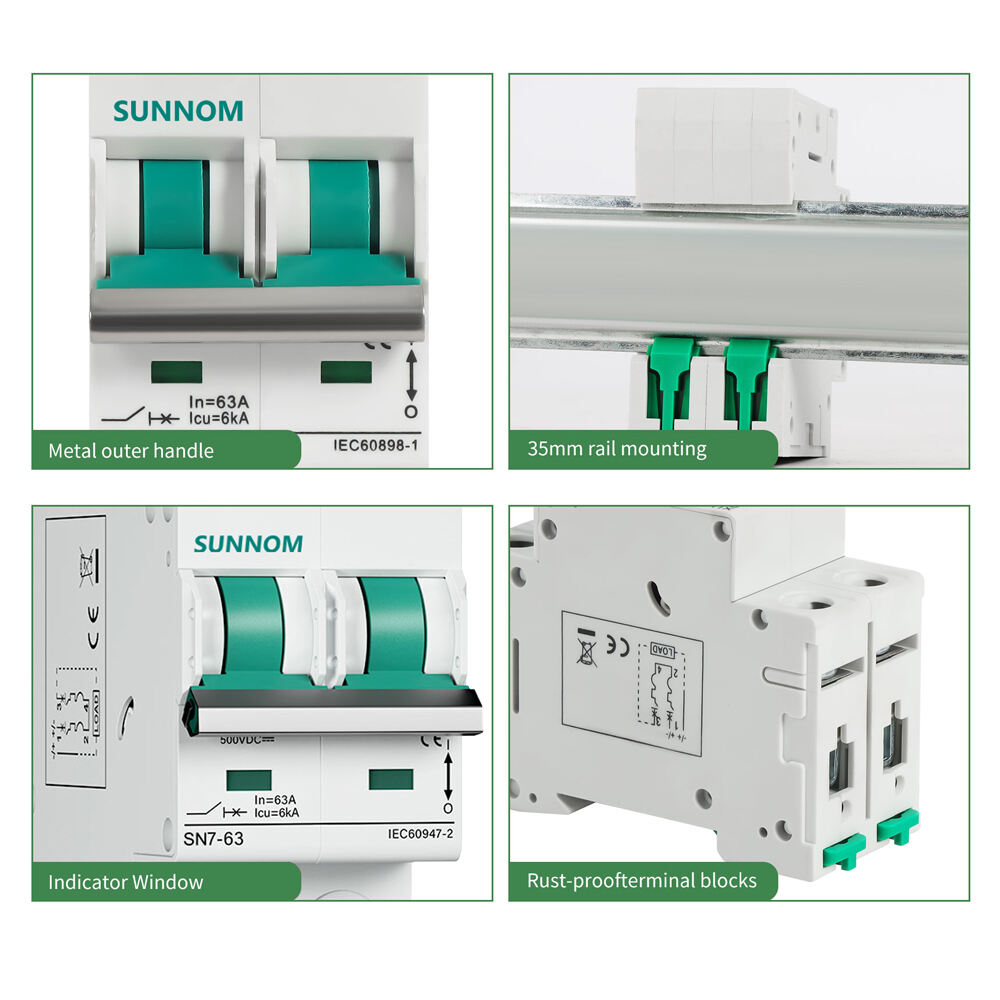
Solar photovoltaic systems have become increasingly sophisticated as the industry pushes toward higher efficiency and greater power density. Modern installations often operate at elevated voltage levels to maximize energy harvest and minimize transmission losses. Within these high-performance systems, protective components play a critical role in ensuring both operational reliability and safety compliance. Among these essential components, the 1000V DC fuse stands out as a fundamental safeguard that protects valuable equipment and prevents potentially catastrophic failures in commercial and utility-scale installations.
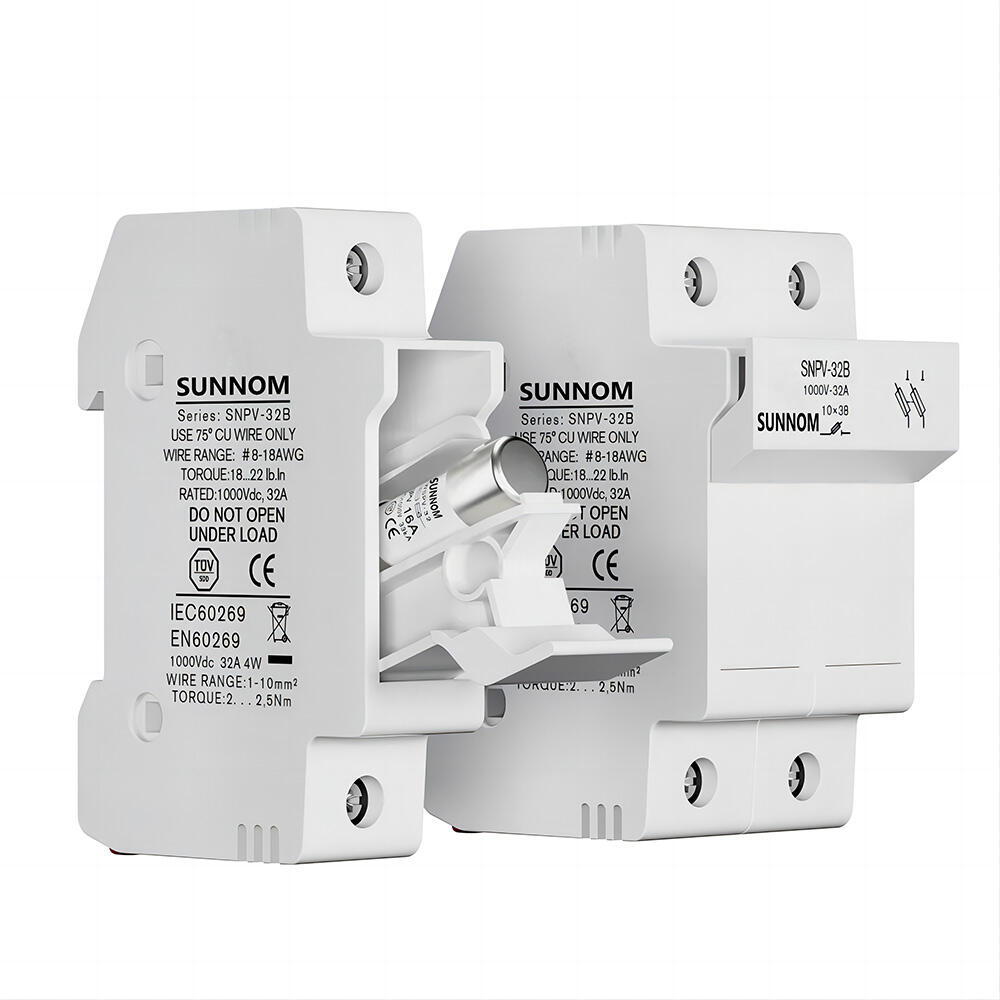
The transition from traditional alternating current electrical systems to direct current photovoltaic networks has introduced unique challenges that require specialized protection strategies. DC electrical environments behave fundamentally differently from AC systems, particularly when it comes to fault conditions and arc suppression. Understanding these distinctions becomes crucial for installers who want to deliver systems that operate safely and reliably over their expected 25-year lifespan. Professional installers recognize that cutting corners on protective components often leads to expensive service calls, warranty claims, and potential safety hazards that could have been easily prevented with proper component selection.
Understanding DC Electrical Protection Requirements
Fundamental Differences Between AC and DC Protection
Direct current electrical systems present unique protection challenges that differ significantly from traditional alternating current applications. In AC systems, the natural zero-crossing of the sinusoidal waveform helps extinguish electrical arcs when protective devices operate. DC systems lack this natural arc extinction mechanism, making it more difficult to safely interrupt fault currents. This fundamental difference requires specialized fusing technology designed specifically for DC applications, with enhanced arc quenching capabilities and materials that can withstand the continuous current flow characteristic of photovoltaic systems.
The voltage rating of protective devices becomes particularly important in DC applications because there are no peak-to-RMS conversion factors to consider. A 1000V DC fuse must be capable of safely interrupting fault currents at the full rated voltage without creating dangerous arcing conditions. Modern photovoltaic installations often operate at or near these voltage levels to optimize system efficiency and reduce copper losses in DC wiring. Installers must ensure that all protective components are properly rated for both the operating voltage and the maximum fault current that could occur in the system.
Surge and Transient Protection Considerations
Photovoltaic systems are particularly susceptible to voltage transients caused by lightning strikes, switching operations, and inverter startup sequences. These transient events can produce voltage spikes that exceed normal operating levels by several times, potentially damaging sensitive electronic components or creating safety hazards. High-quality fusing systems incorporate surge withstand capabilities that allow them to remain operational during normal transient events while still providing reliable protection during genuine fault conditions.
The selection of appropriate time-current characteristics becomes critical in DC fusing applications because the protective device must distinguish between normal system transients and actual fault conditions. Modern 1000V DC fuse designs incorporate sophisticated melting elements and arc quenching chambers that respond appropriately to different types of overcurrent conditions. This selectivity ensures that temporary system disturbances do not cause nuisance trips while genuine faults are cleared quickly and safely.
Safety Implications of Substandard Fusing Components
Fire and Arc Flash Hazards
The use of inappropriate or substandard fusing components in high-voltage DC applications can create serious fire and arc flash hazards that put both personnel and property at risk. When a fuse is not properly rated for DC service, it may fail to interrupt fault currents effectively, leading to sustained arcing that can ignite surrounding materials or create dangerous plasma conditions. Professional installers understand that the cost of premium protective components is negligible compared to the potential liability and property damage that could result from a protection system failure.
Arc flash incidents in DC systems can be particularly severe because the sustained nature of DC arcs makes them more difficult to extinguish than AC arcs. The energy released during such events can cause severe burns, equipment damage, and facility fires that extend far beyond the immediate electrical system. Proper fusing selection helps minimize these risks by ensuring that fault currents are interrupted quickly and safely, before they can escalate into dangerous arc flash conditions that threaten personnel safety and system integrity.
Equipment Damage and System Reliability
Inadequate protection can lead to cascading failures that damage multiple system components and result in extended downtime periods that affect energy production revenues. When protective devices fail to operate properly during fault conditions, the resulting damage often extends beyond the immediate fault location to affect inverters, monitoring systems, and other sensitive electronic components. The replacement costs for these components, combined with lost energy production during repair periods, typically exceed the initial cost of proper protective components by orders of magnitude.
System reliability considerations extend beyond immediate fault protection to include long-term component aging and degradation patterns. High-quality 1000V DC fuse assemblies are designed to maintain their protective characteristics throughout the system lifetime, even when exposed to temperature cycling, UV radiation, and other environmental stressors common in photovoltaic installations. This long-term reliability ensures consistent protection performance and reduces the need for preventive maintenance or component replacement during the system operating period.
Technical Specifications and Performance Standards
Voltage and Current Rating Requirements
The specification of appropriate voltage and current ratings for DC fusing applications requires careful consideration of both normal operating conditions and maximum fault scenarios. System designers must account for the maximum open-circuit voltage that can be produced by the photovoltaic array under standard test conditions, as well as temperature and irradiance variations that can affect actual operating voltage levels. The 1000V DC fuse rating provides adequate margin for most commercial and utility-scale installations while ensuring reliable protection under all anticipated operating conditions.
Current rating selection involves analyzing both the continuous current carrying requirements and the fault current interruption capabilities needed for the specific application. The continuous current rating must accommodate the maximum power point tracking current of the protected string or combiner circuit, with appropriate derating factors applied for ambient temperature and enclosure heating effects. The interruption rating must exceed the maximum available fault current that could be supplied by the photovoltaic array and any parallel-connected energy storage systems.
Environmental and Durability Testing
Professional-grade fusing components undergo extensive environmental testing to ensure reliable operation under the harsh conditions typical of photovoltaic installations. These tests include temperature cycling from extreme cold to high heat, humidity exposure, salt spray corrosion testing, and UV radiation exposure that simulates decades of outdoor service. The test protocols are designed to identify potential failure modes and ensure that the protective devices will maintain their specified performance throughout the system operating life.
Mechanical durability testing evaluates the ability of fusing assemblies to withstand installation handling, vibration from wind loading, and thermal expansion stresses that occur during normal system operation. High-quality components incorporate robust construction techniques and materials selection that provide consistent performance even when subjected to repeated thermal and mechanical cycling. This durability testing helps ensure that the protective system will not become the limiting factor in overall system reliability and performance.
Installation Best Practices and Code Compliance
National Electrical Code Requirements
The National Electrical Code includes specific requirements for overcurrent protection in photovoltaic systems that mandate the use of properly rated fusing or circuit protection devices. These requirements address both personnel safety and fire prevention considerations, establishing minimum standards for component selection and installation practices. Professional installers must ensure that all protective devices meet or exceed these code requirements while also satisfying local jurisdiction amendments and utility interconnection standards.
Code compliance extends beyond simple component specification to include proper installation techniques, accessibility requirements, and labeling standards that facilitate safe maintenance and inspection procedures. The installation of 1000V DC fuse assemblies must follow manufacturer specifications for torque values, wire termination methods, and enclosure sealing requirements to ensure reliable long-term operation. Proper documentation and labeling help ensure that future maintenance personnel can safely work on the system and understand the protection scheme design intent.
System Integration and Coordination
Effective protection system design requires careful coordination between different protective devices to ensure selective operation during fault conditions. The fusing characteristics must be coordinated with inverter protection functions, array-level monitoring systems, and utility interconnection protection to prevent nuisance trips while ensuring reliable fault clearing. This coordination analysis becomes particularly important in large installations where multiple protection zones must work together to isolate faults without affecting healthy portions of the system.
Integration with modern monitoring and communication systems allows protective devices to provide valuable diagnostic information that helps optimize system performance and identify potential maintenance requirements. Advanced fusing systems can provide indication of operation status, fault current levels, and aging characteristics that help system operators make informed maintenance decisions. This integration capability enhances the overall value proposition of high-quality protective components by providing operational benefits beyond basic protection functions.
Cost-Benefit Analysis of Premium Protection Components
Initial Investment Versus Long-Term Value
The economic analysis of protection component selection must consider both initial procurement costs and long-term operational benefits to accurately assess the total cost of ownership. While premium 1000V DC fuse assemblies may command higher initial prices than basic alternatives, their superior reliability and performance characteristics typically result in lower total system costs over the project lifetime. This cost advantage comes from reduced maintenance requirements, fewer emergency service calls, and enhanced system availability that maximizes energy production revenues.
Professional installers recognize that the protection system represents a small fraction of total project costs while having disproportionate influence on system reliability and safety performance. The selection of appropriate protective components can significantly impact warranty costs, insurance premiums, and long-term maintenance contracts that affect project economics throughout the operating period. Investing in proven, high-quality components helps ensure predictable operating costs and minimizes the risk of unexpected expenses that can impact project profitability.
Risk Mitigation and Insurance Considerations
Insurance providers and project financiers increasingly recognize the importance of proper protection system design in managing project risks and ensuring reliable cash flow generation. The use of certified, appropriately rated protective components can result in favorable insurance terms and reduced premium costs that help offset the initial component investment. These risk mitigation benefits become particularly important in large commercial and utility-scale projects where protection system failures could result in significant business interruption losses.
The documentation and certification requirements for professional-grade components also facilitate project financing and insurance approval processes by demonstrating compliance with industry standards and best practices. Lenders and insurers prefer projects that incorporate proven technologies and follow established design standards because these factors correlate with lower default rates and fewer claims. The selection of appropriate protection components thus contributes to overall project bankability and financing attractiveness.
FAQ
What makes a 1000V DC fuse different from standard electrical fuses
A 1000V DC fuse is specifically designed to handle the unique characteristics of direct current electrical systems, particularly the challenge of arc extinction without natural zero-crossing points. These specialized fuses incorporate enhanced arc quenching chambers, materials designed for DC service, and time-current characteristics optimized for photovoltaic applications. They must reliably interrupt fault currents at high DC voltages while withstanding the environmental conditions typical of solar installations.
How do I determine the correct current rating for my photovoltaic system
The current rating should be selected based on the maximum power point current of the protected circuit, typically 125% of the maximum continuous current per National Electrical Code requirements. You must also consider ambient temperature derating factors and ensure the interrupting capacity exceeds the maximum available fault current from the photovoltaic array. Consult the system design documentation and manufacturer specifications to verify all rating requirements are met.
Can I use AC-rated fuses in DC photovoltaic applications
No, AC-rated fuses should never be used in DC applications because they lack the necessary arc extinction capabilities for direct current service. DC systems require fuses specifically designed and tested for DC operation, with appropriate voltage ratings and interrupting capacities. Using inappropriate fuses creates serious safety hazards and may violate electrical codes and equipment warranties.
What maintenance is required for high-voltage DC fusing systems
Regular visual inspection should verify that fuse holders are properly secured, connections remain tight, and no signs of overheating or corrosion are present. Check manufacturer recommendations for specific maintenance intervals, but most quality systems require minimal maintenance beyond periodic inspection and connection retorquing. Any blown fuses should be replaced with identical ratings and types, and the cause of the fault should be investigated before re-energizing the system.