
 EN
EN



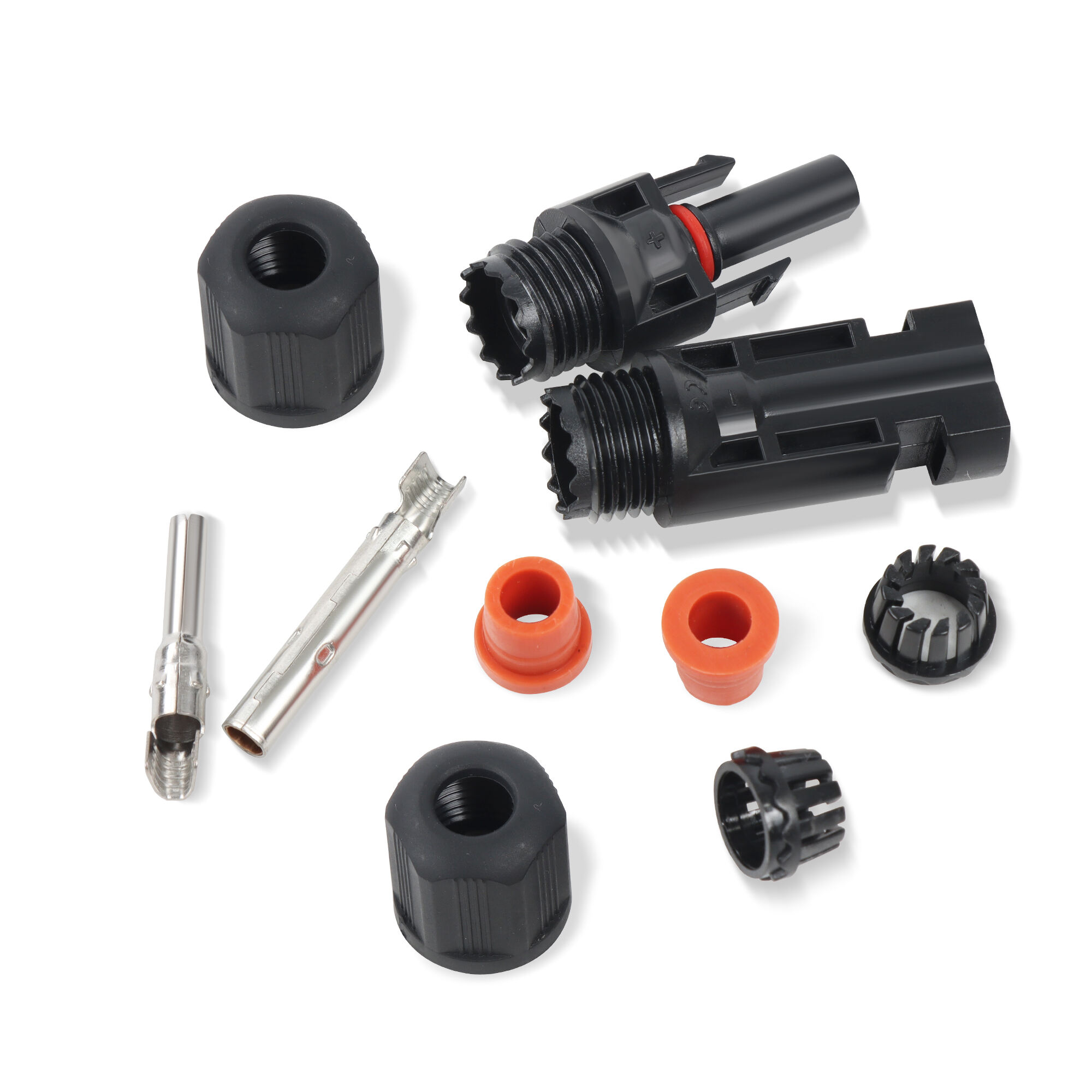
Solar energy systems have become increasingly sophisticated as renewable energy adoption accelerates across residential, commercial, and industrial applications. At the heart of every efficient solar installation lies a critical component that often goes unnoticed but plays a vital role in system performance and safety. Photovoltaic connectors serve as the essential linking elements that ensure reliable electrical connections between solar panels, inverters, and other system components. These specialized electrical connectors are engineered to withstand harsh outdoor conditions while maintaining optimal conductivity and preventing energy losses that could compromise overall system efficiency.
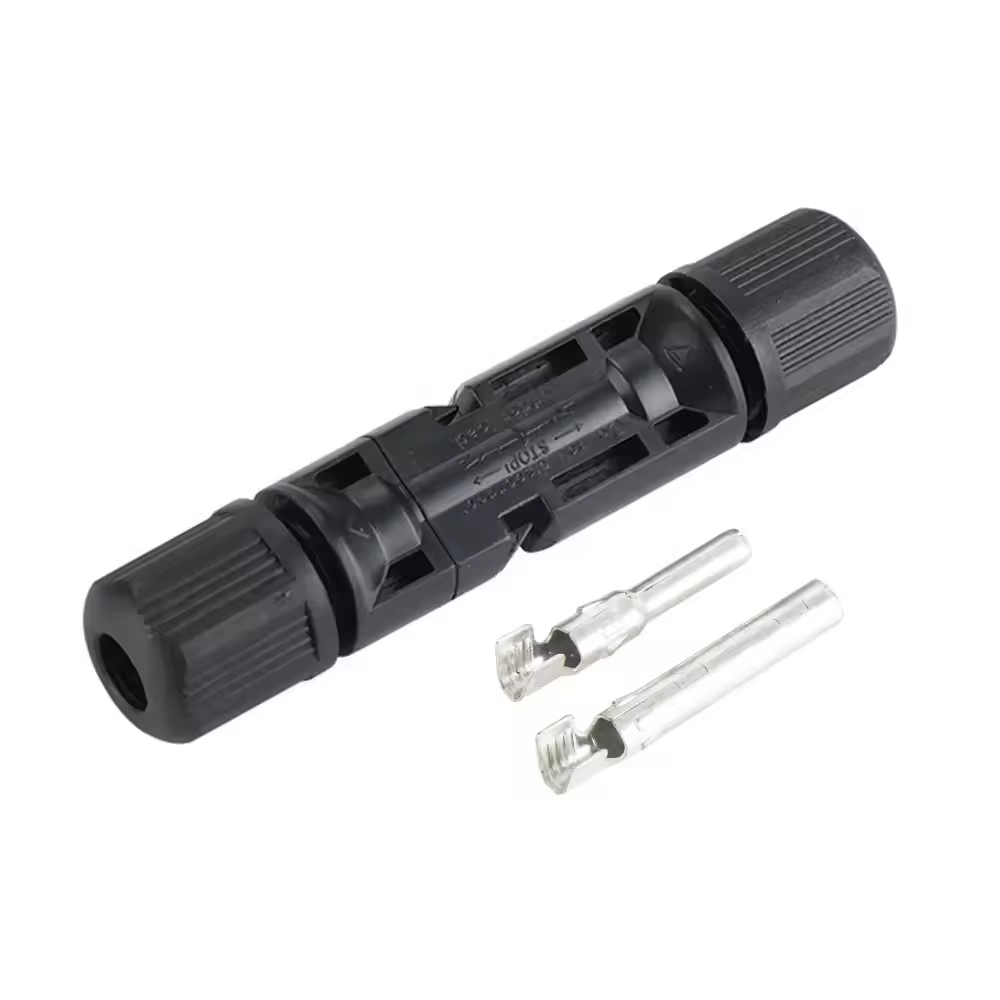
The reliability of solar energy systems depends heavily on the quality and proper installation of electrical connections throughout the entire network. When panels are connected in series or parallel configurations, each junction point represents a potential failure point where energy losses, overheating, or complete system shutdowns could occur. Modern photovoltaic connectors have evolved to address these challenges through advanced materials, precise engineering, and standardized designs that ensure compatibility across different manufacturers and system configurations.
Understanding the Critical Role of Electrical Connections in Solar Systems
Power Transfer Efficiency and Energy Losses
Every electrical connection within a solar energy system introduces resistance that can lead to power losses and reduced overall efficiency. High-quality photovoltaic connectors minimize these losses through precise contact surfaces, optimal conductor materials, and engineered designs that maximize current flow. Even small resistance increases at connection points can result in significant energy losses when multiplied across dozens or hundreds of panels in large installations. Professional-grade connectors maintain low resistance values over extended periods, ensuring that maximum power generation reaches the inverter and ultimately the electrical grid or storage systems.
Temperature variations throughout daily and seasonal cycles create expansion and contraction forces that can compromise inferior electrical connections. Premium connectors incorporate spring-loaded contacts and flexible sealing systems that accommodate these thermal movements without degrading electrical performance. The contact pressure within connector assemblies must remain consistent despite temperature fluctuations to prevent arcing, oxidation, or complete connection failures that could disable entire panel strings.
Weather Resistance and Environmental Protection
Solar installations operate continuously in outdoor environments where they face extreme weather conditions including heavy rainfall, snow accumulation, intense UV radiation, and temperature swings from below freezing to over 150 degrees Fahrenheit. Photovoltaic connectors must provide complete environmental sealing to prevent moisture ingress that could cause corrosion, short circuits, or ground faults. Advanced sealing technologies including multiple O-ring systems, IP67 or IP68 ratings, and UV-resistant housing materials ensure long-term reliability in harsh climates.
Salt air in coastal environments presents additional challenges that require specialized connector materials and coatings to prevent galvanic corrosion. Marine-grade connectors incorporate tinned copper conductors, stainless steel hardware, and specialized polymer housings that resist salt spray and maintain electrical integrity in aggressive atmospheric conditions. These environmental considerations become even more critical in utility-scale installations where connector failures could affect megawatts of generating capacity.
Safety Standards and Electrical Code Compliance
Arc Fault Prevention and Fire Safety
Electrical arcing represents one of the most serious safety hazards in solar energy systems, with the potential to ignite fires that could destroy property and endanger lives. Modern photovoltaic connectors incorporate advanced arc suppression technologies and are designed to prevent the conditions that lead to dangerous electrical arcs. Proper contact geometry, adequate contact pressure, and high-quality conductor materials work together to eliminate hot spots and ensure stable electrical connections throughout the system's operational life.
National Electrical Code requirements specify strict standards for solar system connections, including provisions for rapid shutdown capabilities and ground fault protection. Compliant connectors must meet these safety requirements while providing reliable disconnection capabilities for maintenance and emergency situations. Touch-safe designs prevent accidental contact with live conductors during installation and service procedures, protecting technicians and system owners from electrical hazards.
Grounding and System Protection
Proper grounding throughout solar energy systems requires specialized connectors designed specifically for equipment grounding conductors and grounding electrode connections. These grounding connectors must maintain low resistance paths to earth ground while resisting corrosion and mechanical stress over decades of service. Inadequate grounding connections can lead to dangerous voltage differentials, equipment damage from lightning strikes, and potential electrocution hazards during maintenance activities.
Lightning protection systems rely on robust connector assemblies that can handle high-current surge events without failing or creating additional hazards. Surge-rated connectors incorporate specialized contact materials and mechanical designs that can withstand the extreme forces generated during lightning strikes while maintaining protective conductor continuity. These protective measures become especially important in areas with high lightning activity or elevated installation locations.
Installation Efficiency and Maintenance Considerations
Tool-Free Connection Systems
Modern photovoltaic connectors have evolved to eliminate the need for specialized tools during field installation, significantly reducing installation time and labor costs. Push-in connection systems allow installers to make secure electrical connections simply by inserting prepared conductors into the connector body where internal spring mechanisms provide optimal contact pressure. These tool-free designs reduce the potential for installation errors while speeding up the connection process, particularly important in large commercial or utility-scale installations where hundreds or thousands of connections must be made.
Quick-disconnect capabilities enable rapid system reconfiguration, panel replacement, or maintenance procedures without requiring wire cutting or permanent modifications. Properly designed disconnect mechanisms provide positive locking to prevent accidental disconnection while allowing authorized personnel to safely isolate system components when necessary. Color-coded connector systems help prevent polarity errors during installation and maintenance, reducing the risk of reverse polarity connections that could damage sensitive electronic components.
Long-Term Reliability and Service Life
Solar energy systems are designed for operational lives of 25 years or more, requiring connector assemblies that can maintain electrical and mechanical integrity throughout these extended service periods. Premium connectors undergo rigorous testing including thermal cycling, humidity exposure, UV aging, and mechanical stress testing to verify their ability to perform reliably over decades of continuous operation. Accelerated aging tests simulate years of environmental exposure in compressed timeframes to identify potential failure modes before products reach the market.
Predictive maintenance programs rely on connector designs that provide visual indicators of connection quality and allow for non-invasive testing procedures. Transparent or translucent connector housings enable visual inspection of internal components without disconnection, while test points allow for electrical measurements during routine system inspections. These diagnostic capabilities help identify developing problems before they lead to system failures or safety hazards.
Economic Impact and Return on Investment
Initial Cost Versus Long-Term Value
While high-quality photovoltaic connectors represent a relatively small percentage of total system costs, their impact on long-term performance and reliability makes them a critical investment in system economics. Premium connectors that cost slightly more initially can prevent expensive service calls, system downtime, and component replacements that would far exceed the additional upfront expense. Energy production losses from poor connections compound over time, reducing the overall return on investment for solar installations and extending payback periods.
System monitoring data reveals that connection-related failures account for a significant percentage of solar system problems, often requiring expensive troubleshooting procedures and component replacement. Investing in proven connector technology from established manufacturers reduces these risks while providing warranty protection and technical support resources. The total cost of ownership calculation should include not only initial purchase price but also installation labor, maintenance requirements, and potential failure costs over the system's operational life.
Performance Optimization and Energy Yield
Every percentage point of energy loss due to poor connections directly impacts the financial returns from solar investments, making connection quality a critical factor in system economics. High-performance connectors maintain optimal conductivity throughout their service lives, ensuring that maximum energy generation reaches revenue-producing applications. In commercial and utility-scale installations, even small improvements in connection efficiency can translate to thousands of dollars in additional revenue over the system's operational life.
Advanced connector designs incorporate features that optimize power transfer under varying environmental conditions, including temperature compensation and low-temperature performance characteristics. These performance enhancements become particularly valuable in climates with extreme temperature variations where standard connections might experience degraded performance during peak heating or cooling periods. Smart monitoring systems can track connection performance in real-time, providing data for optimization decisions and predictive maintenance scheduling.
FAQ
What makes photovoltaic connectors different from standard electrical connectors?
Photovoltaic connectors are specifically engineered for outdoor solar applications with enhanced weather sealing, UV resistance, and temperature performance capabilities that exceed standard electrical connectors. They incorporate specialized materials and designs to handle DC current characteristics, prevent arcing, and maintain reliable connections over 25+ year service lives in harsh environmental conditions.
How often should photovoltaic connectors be inspected or replaced?
Most high-quality photovoltaic connectors are designed to last the entire life of the solar system without replacement, but annual visual inspections are recommended to check for signs of damage, corrosion, or loose connections. Any connectors showing signs of overheating, discoloration, or physical damage should be replaced immediately to prevent system failures or safety hazards.
Can different brands of photovoltaic connectors be mixed in the same system?
While many connectors follow industry standards for mechanical compatibility, mixing different brands is generally not recommended due to potential differences in contact materials, sealing systems, and electrical characteristics. Using connectors from the same manufacturer throughout a system ensures optimal compatibility and maintains warranty coverage for the entire installation.
What voltage and current ratings should be considered when selecting photovoltaic connectors?
Photovoltaic connectors should be rated for at least 125% of the maximum system voltage and current to provide adequate safety margins. Most modern solar applications require connectors rated for 1000V or 1500V DC systems with current ratings ranging from 20A to 50A depending on the specific application and system configuration requirements.
Table of Contents
- Understanding the Critical Role of Electrical Connections in Solar Systems
- Safety Standards and Electrical Code Compliance
- Installation Efficiency and Maintenance Considerations
- Economic Impact and Return on Investment
-
FAQ
- What makes photovoltaic connectors different from standard electrical connectors?
- How often should photovoltaic connectors be inspected or replaced?
- Can different brands of photovoltaic connectors be mixed in the same system?
- What voltage and current ratings should be considered when selecting photovoltaic connectors?