
 EN
EN


A surge protection device is a critical component in any electrical installation, acting as the first line of defense against transient overvoltages that can damage sensitive equipment, disrupt operations, and create safety hazards. Like any protective device, a surge protection device does not last forever. Its ability to absorb and divert surge energy degrades over time, and a device that appears physically intact may no longer provide adequate protection. Understanding when to inspect, maintain, and replace a surge protection device is essential for maintaining the integrity of your electrical system and avoiding costly equipment failures.
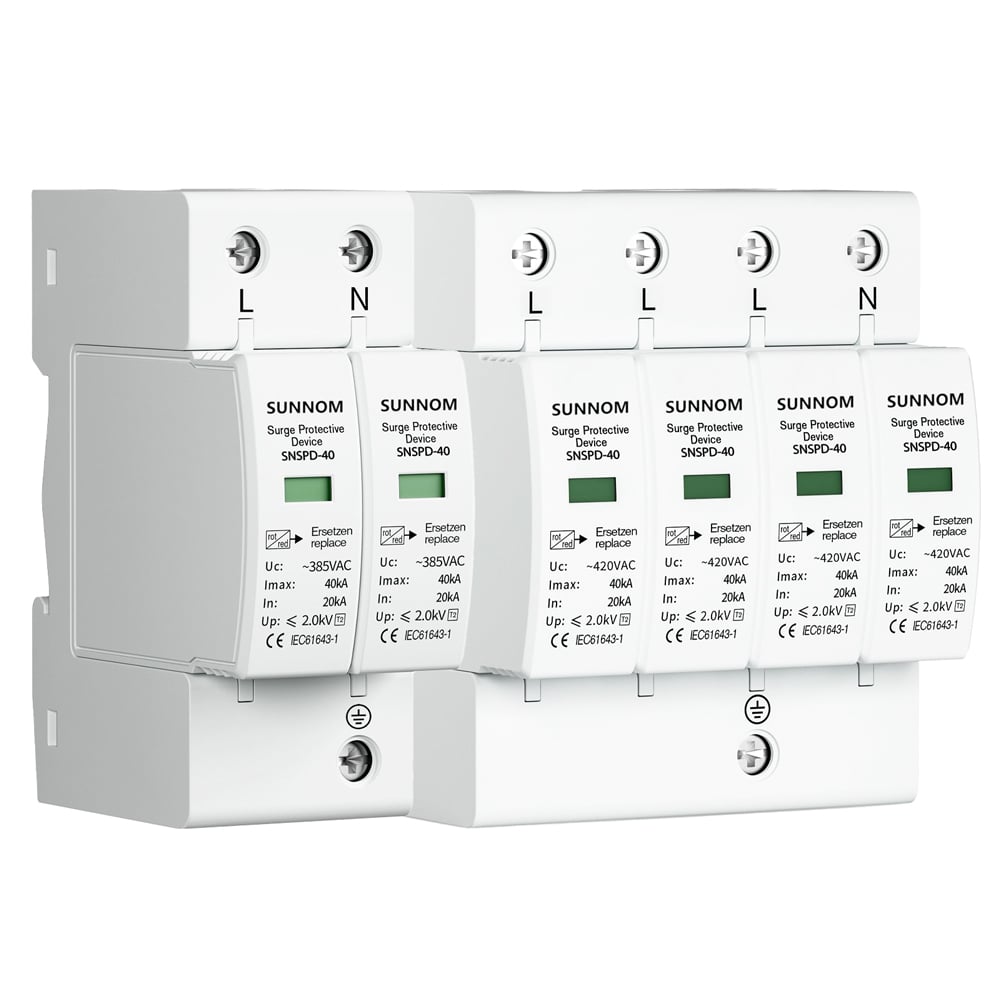
Many facility managers and electrical engineers underestimate how quickly a surge protection device can reach the end of its useful service life, particularly in environments with frequent lightning activity, industrial switching loads, or unstable grid conditions. Each surge event consumes a portion of the device's surge current capacity, and repeated exposure gradually reduces its protective capability. This article outlines the key maintenance practices and replacement indicators that every responsible operator should know, so that a surge protection device is always performing at the level your installation demands.
How a Surge Protection Device Degrades Over Time
The Role of Metal Oxide Varistors in Degradation
The core protective element inside most surge protection devices is the metal oxide varistor, commonly referred to as a MOV. This component works by clamping voltage spikes and diverting excess energy away from connected equipment. Each time a MOV absorbs a surge, its internal structure undergoes a small but cumulative change. Over many surge events, the clamping voltage threshold shifts, and the device becomes less effective at protecting against overvoltages.
In high-surge environments, this degradation can happen surprisingly fast. A surge protection device installed near industrial machinery, in a region with frequent thunderstorms, or on a grid with poor power quality may exhaust its surge capacity within months rather than years. The degradation is not always visible from the outside, which is why relying solely on visual inspection is insufficient for a complete maintenance strategy.
Understanding MOV degradation helps explain why a surge protection device must be treated as a consumable protective component rather than a permanent installation. Scheduled inspection and proactive replacement are not optional extras — they are fundamental to maintaining real protection levels.
Cumulative Surge Energy and Its Impact
Every surge protection device is rated for a maximum surge current capacity, typically expressed in kiloamperes. This rating represents the total surge energy the device can handle before its protective capability is compromised. In practice, the device absorbs this energy incrementally across many smaller surge events rather than in a single catastrophic strike.
A surge protection device installed in a commercial building may experience dozens of minor surges per week from switching operations, motor starts, and external grid disturbances. Each of these events draws down the device's remaining capacity. Without a monitoring system or regular inspection schedule, it is easy for a device to reach the end of its effective life without any obvious external sign of failure.
This cumulative energy consumption model is why maintenance intervals should be based on both time and environmental conditions. A surge protection device in a low-surge environment may remain effective for several years, while the same device in a high-surge environment may need replacement within twelve to eighteen months.
Visual and Indicator-Based Maintenance Checks
Status Indicator Windows and LED Signals
Most modern surge protection devices are equipped with built-in status indicators, typically a colored window or LED light that provides a quick visual signal of the device's operational state. A green indicator generally means the surge protection device is functioning correctly, while a red or absent indicator signals that the device has reached end of life or has suffered a fault condition. These indicators are designed to make routine inspection straightforward, even for non-specialist personnel.
It is important to establish a regular schedule for checking these indicators, particularly after known surge events such as nearby lightning strikes or grid disturbances. A surge protection device that shows a fault indicator should be replaced immediately, as it is no longer providing the protection your system requires. Delaying replacement after a fault indication leaves connected equipment fully exposed to the next surge event.
Some advanced surge protection devices also include remote monitoring outputs or dry contact signals that can be integrated into building management systems or alarm panels. These features allow facility teams to receive automatic alerts when a surge protection device requires attention, reducing the risk of a failed device going unnoticed between manual inspection rounds.
Physical Inspection for Signs of Damage
Beyond indicator lights, a thorough physical inspection of the surge protection device should be part of any scheduled maintenance routine. Inspectors should look for signs of discoloration, burn marks, or melting on the device housing, which can indicate that the device has absorbed a particularly severe surge or has experienced an internal thermal event. Any physical deformation of the enclosure is a clear replacement indicator.
The wiring connections to the surge protection device should also be checked for tightness, corrosion, and signs of overheating. Loose connections increase impedance in the protection circuit and can reduce the effectiveness of the surge protection device even if the device itself is still functional. Corroded terminals should be cleaned or replaced, and all connections should be torqued to the manufacturer's specified values.
In outdoor or industrial enclosures, moisture ingress is another concern. A surge protection device exposed to condensation or water infiltration may suffer internal corrosion that is not visible from the outside. If the installation environment is prone to moisture, the enclosure sealing should be inspected at the same time as the device itself.
Performance-Based Replacement Indicators
Unexplained Equipment Failures as a Warning Sign
One of the most telling indicators that a surge protection device is no longer performing adequately is a pattern of unexplained equipment failures or damage to sensitive electronics downstream of the device. If power supplies, control boards, or communication equipment begin failing at an unusual rate, it is worth investigating whether the surge protection device is still providing effective clamping.
A degraded surge protection device may still appear operational based on its status indicator, yet its clamping voltage may have drifted to a level that allows damaging transients to pass through to connected equipment. In such cases, the device has effectively failed in its protective function even though it has not triggered a fault indication. This scenario underscores the importance of combining indicator-based checks with time-based replacement schedules.
When investigating equipment failures, always include the surge protection device in the diagnostic process. Replacing a degraded device is far less costly than repeatedly replacing damaged downstream equipment, and it addresses the root cause rather than the symptom.
Time-Based and Event-Based Replacement Schedules
Industry best practice recommends establishing both time-based and event-based replacement criteria for every surge protection device in a facility. A time-based schedule typically calls for replacement every three to five years under normal conditions, though this interval should be shortened in high-surge environments. An event-based criterion triggers immediate inspection and likely replacement after any confirmed major surge event, such as a direct or nearby lightning strike.
Facilities with surge counters or energy monitoring systems can use recorded surge data to make more precise replacement decisions. If the cumulative surge energy recorded by the monitoring system approaches the device's rated capacity, replacement should be scheduled proactively rather than waiting for a fault indication. This approach minimizes the window of reduced protection and supports a more predictable maintenance budget.
Documenting the installation date, surge history, and inspection records for each surge protection device in a facility is a straightforward practice that pays significant dividends. This documentation supports compliance with electrical safety standards, simplifies maintenance planning, and provides evidence of due diligence in the event of an insurance claim related to surge damage.
Environmental Factors That Accelerate Replacement Needs
High-Surge and High-Pollution Environments
The operating environment has a direct impact on how quickly a surge protection device reaches the end of its service life. Facilities located in regions with high lightning activity, near industrial plants with heavy switching loads, or connected to weak or unstable grid infrastructure will subject their surge protection devices to far more stress than installations in benign environments. In these settings, annual inspection and more frequent replacement cycles are not excessive — they are prudent.
Pollution and contamination also affect surge protection device longevity. In environments with high levels of dust, chemical vapors, or conductive particles, the internal components of the device can degrade more rapidly. Selecting a surge protection device with an appropriate ingress protection rating for the installation environment is the first step, but regular inspection remains necessary to catch any deterioration before it compromises protection.
Temperature extremes are another environmental factor to consider. A surge protection device operating consistently at or near its maximum rated temperature will age faster than one operating in a moderate thermal environment. Ensuring adequate ventilation in electrical enclosures and avoiding overloading distribution panels helps extend the service life of installed surge protection devices.
Aging Electrical Infrastructure and Compatibility Considerations
In older facilities, the electrical infrastructure itself may contribute to accelerated surge protection device wear. Aging wiring, outdated distribution equipment, and the absence of coordinated protection schemes can expose individual surge protection devices to higher stress levels than they were designed to handle. When upgrading or renovating electrical systems, it is good practice to reassess the surge protection device selection and replace any devices that were sized for the old system's characteristics.
Compatibility between the surge protection device and the system voltage, frequency, and earthing arrangement should also be verified during any infrastructure change. A surge protection device that was correctly specified for the original installation may no longer be appropriate after a system upgrade, even if it has not yet reached its rated surge capacity. Mismatched devices can fail prematurely or provide inadequate protection under the new system conditions.
Consulting the device manufacturer's documentation and, where necessary, engaging a qualified electrical engineer to review the protection scheme ensures that every surge protection device in the facility is correctly matched to its application and operating environment.
Best Practices for Surge Protection Device Maintenance Programs
Establishing a Structured Inspection Routine
A well-structured maintenance program for surge protection devices begins with a complete inventory of all installed devices, including their location, installation date, model, and rated surge capacity. This inventory forms the foundation for scheduling inspections and tracking the service history of each device. Without this baseline, it is easy for devices to be overlooked, particularly in large facilities with multiple distribution boards and sub-panels.
Inspection intervals should be defined based on the risk profile of each installation point. Critical systems such as data centers, medical equipment, and process control infrastructure warrant more frequent inspection than general-purpose circuits. A tiered inspection schedule that prioritizes high-criticality locations ensures that maintenance resources are allocated where the consequences of surge protection device failure are greatest.
Training maintenance personnel to recognize the visual and indicator-based signs of surge protection device degradation is equally important. A well-trained team that understands what to look for during routine inspections is far more effective than a schedule alone. Clear documentation of inspection findings, including photographs where appropriate, supports trend analysis and helps identify locations where surge protection devices are degrading faster than expected.
Coordinating Replacement with Broader Electrical Maintenance
Replacing a surge protection device is most efficient when coordinated with other scheduled electrical maintenance activities. Combining surge protection device replacement with annual thermographic surveys, switchgear maintenance, or distribution board inspections minimizes system downtime and reduces the total cost of maintenance. Planning replacements in advance also ensures that the correct replacement devices are available on site, avoiding delays caused by procurement lead times.
When replacing a surge protection device, it is worth taking the opportunity to reassess whether the current device specification remains appropriate for the installation. Changes in connected load, system voltage, or the addition of sensitive electronic equipment may justify upgrading to a device with higher surge current capacity or improved clamping performance. A replacement event is a natural checkpoint for reviewing the overall surge protection strategy.
Proper disposal of replaced surge protection devices is also a consideration, as MOV-based devices contain materials that should be handled in accordance with local waste regulations. Maintaining records of disposed devices supports environmental compliance and provides a complete audit trail for the facility's electrical maintenance program.
FAQ
How often should a surge protection device be inspected?
A surge protection device should be visually inspected at least once a year under normal operating conditions. In high-surge environments, such as areas with frequent lightning activity or heavy industrial loads, inspection every six months is advisable. Additionally, any known major surge event should trigger an immediate inspection of all installed surge protection devices in the affected circuit.
What does a red indicator light on a surge protection device mean?
A red indicator light on a surge protection device typically signals that the device has reached end of life or has suffered a fault condition and is no longer providing effective surge protection. The device should be replaced as soon as possible. Operating a system with a faulted surge protection device leaves all connected equipment fully exposed to the next transient overvoltage event.
Can a surge protection device fail without showing any visible signs?
Yes, a surge protection device can degrade to the point where it no longer provides adequate protection without displaying obvious physical damage or triggering a fault indicator. Cumulative MOV degradation can shift the clamping voltage threshold while the device still appears operational. This is why time-based and event-based replacement schedules are important supplements to indicator-based monitoring.
What factors should be considered when selecting a replacement surge protection device?
When selecting a replacement surge protection device, key factors include the system voltage and earthing arrangement, the required surge current rating based on the installation's risk exposure, the protection level or clamping voltage, and the environmental conditions of the installation location. Any changes to the electrical system since the original device was installed should be taken into account to ensure the replacement device is correctly matched to current operating conditions.