
 EN
EN



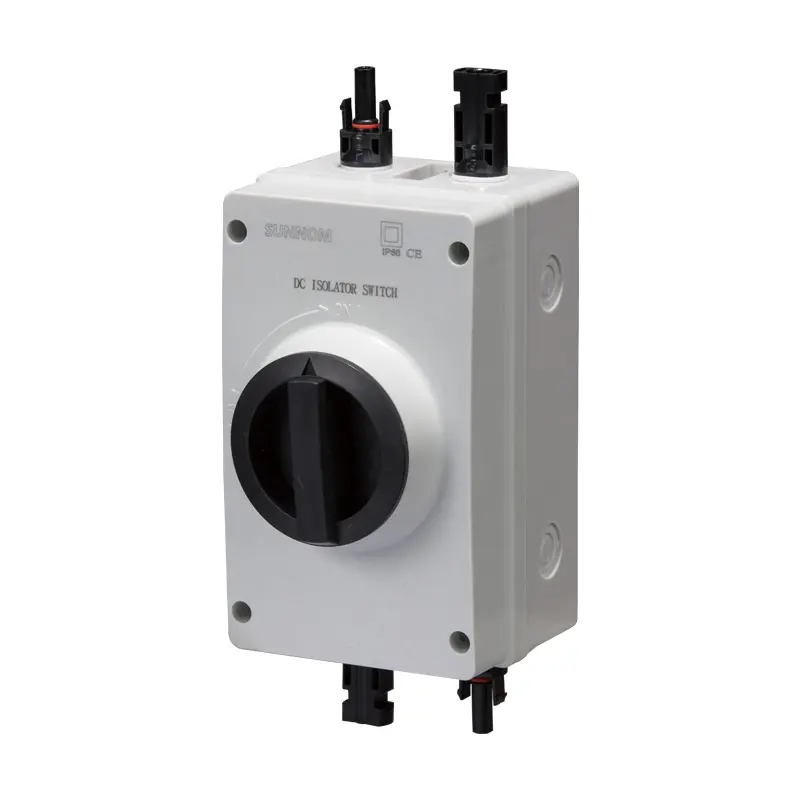
The durability of a pv isolator switch is a critical performance characteristic that directly impacts the safety, reliability, and operational lifespan of photovoltaic energy systems. As solar installations continue to expand across residential, commercial, and utility-scale applications, understanding what determines the longevity of these essential safety devices becomes paramount for system designers, installers, and facility operators. A pv isolator switch serves as the primary disconnect mechanism that allows maintenance personnel to safely de-energize solar arrays, making its structural integrity and functional reliability non-negotiable requirements. The factors influencing durability span material science, environmental exposure, electrical stress, manufacturing quality, and operational maintenance practices, each contributing to whether a switch will perform reliably for decades or fail prematurely under field conditions.
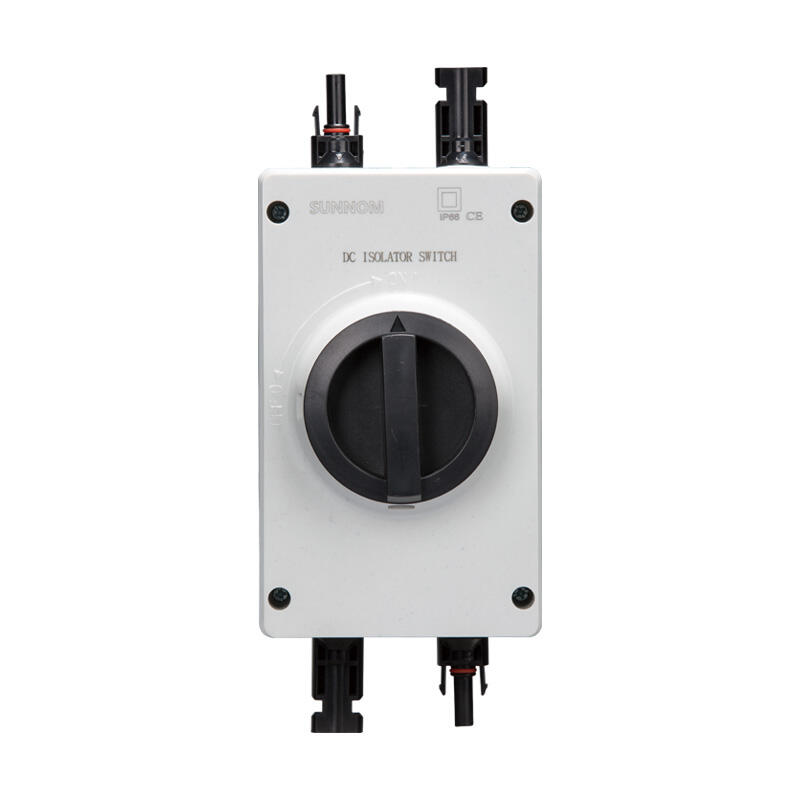
Durability in this context encompasses multiple dimensions including mechanical wear resistance, electrical contact integrity, environmental weathering resistance, and the ability to maintain safe isolation under both normal operation and fault conditions. Unlike indoor electrical components that operate in controlled environments, photovoltaic isolator switches face constant exposure to temperature extremes, humidity fluctuations, ultraviolet radiation, and atmospheric contaminants that accelerate degradation processes. The quality of materials used in construction, the precision of manufacturing processes, the appropriateness of protective coatings, and the robustness of sealing mechanisms all determine whether a device will meet or exceed its rated operational life. Additionally, the electrical stresses imposed by DC voltage characteristics, particularly arc suppression challenges and potential induced degradation phenomena, create unique durability demands distinct from traditional AC switching applications.
Material Selection and Component Quality
Contact Material Composition and Properties
The contact materials used within a pv isolator switch fundamentally determine its ability to maintain low resistance connections and withstand repeated switching operations over extended service periods. Silver-based alloys represent the industry standard for high-quality contacts due to their excellent electrical conductivity, oxidation resistance, and ability to self-clean through micro-arcing during switching operations. The specific alloy composition matters significantly, with silver-nickel, silver-cadmium oxide, and silver-tin oxide formulations each offering distinct performance characteristics under different operating conditions. These materials must resist contact welding from fault currents while maintaining stable contact resistance throughout thousands of mechanical operations. Lower-quality switches may utilize brass or copper contacts with minimal surface treatment, which oxidize more readily and develop higher resistance over time, leading to localized heating that accelerates degradation.
The contact spring mechanism that maintains pressure between mating surfaces directly influences long-term contact integrity and represents another critical material consideration. High-grade stainless steel or beryllium copper springs must provide consistent force throughout temperature cycling and mechanical wear. Spring relaxation over time, a common failure mode in inferior designs, increases contact resistance and creates conditions for arcing during switching operations. The geometry of contact surfaces, whether knife-blade, plug-in, or rotating designs, interacts with material selection to determine wear patterns and self-cleaning effectiveness. Premium pv isolator switch designs incorporate multiple contact points per pole to distribute current load and provide redundancy against localized degradation, significantly extending operational life compared to single-contact configurations.
Enclosure Materials and Construction
The enclosure material of a pv isolator switch serves as the primary defense against environmental degradation and directly impacts the device's ability to maintain its ingress protection rating throughout its service life. Polycarbonate and fiberglass-reinforced polyester represent the most common thermoplastic options, with each offering distinct advantages in UV resistance, impact strength, and dimensional stability across temperature ranges. High-quality polycarbonates with UV stabilizer additives resist yellowing and embrittlement from prolonged sun exposure, while inferior formulations develop surface crazing and mechanical weakness within several years of outdoor exposure. Metal enclosures, typically constructed from powder-coated aluminum or stainless steel, provide superior impact resistance and electromagnetic shielding but require careful attention to galvanic compatibility with mounting hardware and internal components.
The thickness and structural reinforcement of enclosure walls determine resistance to physical damage from installation procedures, maintenance activities, and environmental impacts such as hail or wind-borne debris. Thin-walled enclosures may deform under normal installation torque, compromising gasket compression and allowing moisture ingress that accelerates internal corrosion. Wall thickness specifications typically range from two to four millimeters for quality photovoltaic isolator switches, with critical stress points around mounting bosses and cable entry points requiring additional reinforcement. The enclosure design must also accommodate thermal expansion and contraction without creating stress concentrations that propagate cracks, particularly important for large switches installed in environments experiencing daily temperature swings exceeding forty degrees Celsius.
Sealing Components and Gasket Technology
Gasket materials and sealing design represent often-overlooked factors that profoundly influence the long-term durability of a pv isolator switch by controlling moisture and contaminant ingress. Silicone and EPDM rubber gaskets dominate high-performance applications due to their resistance to UV degradation, ozone attack, and compression set across wide temperature ranges. The durometer hardness of gasket material must balance conformability to mating surfaces against long-term resilience, with specifications typically falling between Shore A 50 and 70 for optimal performance. Compression limiters built into enclosure designs prevent over-tightening that causes excessive gasket deformation and subsequent relaxation, a common installation error that compromises ingress protection within months of commissioning.
Cable entry glands represent critical sealing interfaces where conductor insulation transitions into the switch enclosure, creating potential pathways for moisture wicking along conductor strands. Premium designs incorporate multiple sealing stages with compression rings that grip individual conductors and chamber designs that create tortuous paths resistant to capillary water migration. The compatibility between gasket materials and common cable insulation types prevents chemical interactions that degrade either component over time. Switches intended for harsh marine or industrial environments may specify fluoroelastomer gaskets that resist degradation from salt spray, industrial chemicals, and petroleum-based contaminants that rapidly compromise standard elastomers. The quality of gasket groove design, including depth, width, and corner radii, determines whether seals maintain effective compression throughout thermal cycling and mechanical vibration exposure.
Environmental Protection and Ingress Rating Maintenance
IP Rating Standards and Real-World Performance
The ingress protection rating of a pv isolator switch, typically specified as IP65 or IP66 for outdoor photovoltaic applications, represents a standardized measure of enclosure effectiveness against solid particles and water intrusion under controlled test conditions. However, maintaining this protection level throughout a twenty-five year service life requires design features and material choices that extend far beyond initial certification testing. The IP rating test protocol subjects devices to pressurized water jets for limited durations at specific temperatures, whereas field installations face years of thermal cycling, UV exposure, gasket aging, and mechanical vibration that progressively degrade sealing effectiveness. High-durability switches incorporate design margins that ensure ingress protection remains adequate even as gaskets age and enclosure materials weather, rather than merely meeting minimum certification thresholds when new.
Real-world durability requires attention to details such as drain hole placement that prevents water accumulation in cavities where it might freeze and crack enclosures or wick into electrical compartments. Condensation management becomes particularly critical for switches experiencing large diurnal temperature swings, where moisture-laden air drawn into enclosures during cooling cycles condenses on internal surfaces. Breather membranes that allow pressure equalization while blocking liquid water and airborne contaminants represent an advanced feature in premium pv isolator switch designs, preventing the pressure differentials that drive moisture ingress through imperfect seals. The orientation sensitivity of enclosure designs determines whether installation position affects long-term ingress protection, with some configurations proving vulnerable when installed upside-down or sideways relative to design intent.
UV Resistance and Solar Radiation Effects
Ultraviolet radiation exposure represents one of the most aggressive environmental factors affecting the durability of outdoor pv isolator switch enclosures and external components. UV photons break polymer chains in plastic materials through a process called photodegradation, progressively reducing molecular weight and causing surface embrittlement, chalking, and eventual cracking. The wavelength range between 290 and 400 nanometers proves particularly destructive to common thermoplastics, with intensity varying by geographic latitude, altitude, and local atmospheric conditions. Switches installed in high-altitude desert environments face UV exposure rates substantially higher than those in temperate coastal locations, making material selection and UV stabilization strategies location-dependent considerations for optimal durability.
UV stabilizer additives incorporated during material compounding absorb harmful wavelengths and dissipate energy as harmless heat, while hindered amine light stabilizers scavenge free radicals generated by UV exposure to interrupt degradation chains. The concentration and quality of these additives directly correlates with long-term UV resistance, with premium formulations maintaining mechanical properties and appearance for decades while economy materials show visible degradation within years. Surface coatings and paint systems provide additional UV protection layers, though their effectiveness depends on adhesion durability and resistance to environmental cleaning and abrasion. External labels, warning markings, and operational indicators must utilize UV-resistant inks and substrates to maintain legibility throughout service life, as faded safety labels create compliance issues and operational hazards regardless of underlying switch functionality.
Temperature Cycling and Thermal Stress Management
Temperature cycling imposes mechanical stresses throughout a pv isolator switch assembly due to differential thermal expansion rates between dissimilar materials, creating a cumulative fatigue mechanism that limits device durability. Plastic enclosures, metal busbars, copper conductors, and ceramic insulators each expand and contract at different rates as ambient and internal temperatures fluctuate, generating interface stresses at connection points, gasket seals, and mounting interfaces. Switches experiencing daily temperature swings from minus twenty to plus seventy degrees Celsius, common in many photovoltaic installations, endure expansion cycles that progressively loosen mechanical connections, compromise seal compression, and generate microcracks in brittle materials. Design strategies that accommodate thermal movement through compliant mounting interfaces and stress-relief features in conductor connections substantially improve long-term reliability compared to rigidly constrained assemblies.
Internal temperature rise from resistive heating during normal operation superimposes additional thermal stress on top of ambient cycling, with contact resistance, conductor sizing, and termination quality all influencing the magnitude of self-heating effects. A photovoltaic isolator switch operating near its current rating experiences higher internal temperatures that accelerate insulation aging, contact oxidation, and gasket degradation compared to an identical device operating well below rated capacity. The thermal time constants of different components create complex stress patterns, with massive metal components responding slowly to temperature changes while thin plastic features track ambient temperatures more rapidly. Material selection must account for the cumulative effects of thousands of thermal cycles over decades, not merely the temperature extremes listed in datasheets, requiring accelerated life testing protocols that simulate realistic field exposure patterns.
Electrical Stress Factors and Arc Management
DC Switching Challenges and Contact Erosion
The direct current nature of photovoltaic systems creates unique electrical stress conditions that profoundly impact pv isolator switch durability compared to traditional alternating current applications. DC arcs lack the natural current zero crossing that facilitates arc extinction in AC circuits, instead requiring the mechanical separation distance to increase until the gap voltage exceeds the arc sustaining voltage. This fundamental difference means DC switches must achieve greater contact separation distances and faster opening speeds to reliably interrupt current, imposing more severe mechanical demands on operating mechanisms and accelerating contact wear. The energy dissipated during DC arc interruption concentrates at contact surfaces, causing localized melting, material vaporization, and progressive erosion that accumulates with each switching operation under load.
Arc chambers and magnetic blowout features incorporated into quality pv isolator switch designs stretch and cool arcs to facilitate faster extinction while directing erosion products away from contact surfaces. Simple knife-blade designs without arc management features suffer rapid contact degradation when switched under load, particularly at higher DC voltages where arc energy increases substantially. The polarity effect in DC switching causes asymmetric erosion patterns, with the positive contact typically experiencing more severe material loss due to ion bombardment mechanisms. Switches rated for frequent load switching incorporate sacrificial arc runners that preferentially erode while protecting primary current-carrying contacts, extending operational life when devices are used for operational switching rather than pure isolation functions. The relationship between switching frequency, current magnitude, and contact life must be clearly understood when specifying devices for applications requiring regular operational switching versus emergency-only isolation.
Voltage Stress and Insulation Degradation
The continuous voltage stress applied across open contacts in a pv isolator switch during normal operation creates electric field concentrations that drive long-term insulation degradation processes. Partial discharge phenomena, where insufficient insulation spacing allows localized breakdown events, erode insulator surfaces through ion bombardment and ozone generation. These microscopic discharge events occur preferentially at sharp edges, surface contaminants, and voids within insulation materials, progressively creating conductive tracking paths that eventually compromise isolation integrity. The DC voltage magnitude in modern photovoltaic systems, often exceeding 1000 volts and approaching 1500 volts in utility-scale installations, intensifies these degradation mechanisms compared to lower-voltage residential applications.
Surface contamination from airborne pollutants, dust accumulation, and atmospheric moisture creates conductive films that reduce effective insulation spacing and lower the threshold for partial discharge initiation. Coastal installations face salt deposition that forms highly conductive surface layers when moistened by dew or fog, while agricultural areas experience fertilizer and pesticide residues with similar effects. The internal design of a photovoltaic isolator switch must provide adequate creepage distances, the surface path length between conductive elements, to maintain insulation integrity even when surfaces are contaminated. Premium designs incorporate physical barriers and tortuous creepage paths that resist contamination bridging, while textured insulator surfaces shed water more effectively than smooth finishes that allow continuous conductive films to form. Material selection must prioritize tracking resistance, with specialized formulations incorporating mineral fillers that create non-conductive char layers when surface discharge occurs, self-limiting degradation rather than allowing runaway tracking failure.
Fault Current Withstand and Structural Integrity
The ability of a pv isolator switch to withstand short-circuit fault currents without structural damage or loss of isolation integrity represents a critical durability factor often overlooked during device selection. Photovoltaic arrays can deliver fault currents substantially exceeding their normal operating current, with magnitude depending on array configuration, solar irradiance levels, and fault impedance. During short-circuit events, electromagnetic forces between current-carrying conductors can reach hundreds of times normal operating levels, imposing extreme mechanical stresses on busbar supports, contact assemblies, and enclosure structures. Switches must maintain contact integrity and prevent explosive opening during fault conditions to avoid creating large arcs that could ignite enclosures or adjacent materials.
Short-circuit withstand ratings specify the maximum fault current a device can endure without damage, typically expressed in kiloamperes for specified durations. This rating reflects the mechanical robustness of internal construction, with factors including busbar cross-sectional area, support spacing, contact welding resistance, and enclosure burst strength all contributing to overall fault tolerance. A pv isolator switch installed in a system protected by properly coordinated overcurrent protective devices experiences less severe fault exposure than one serving as the sole protective element, allowing lower withstand ratings in coordinated systems. However, durability over decades requires designs that tolerate occasional fault exposure without cumulative degradation, as repeated fault events progressively weaken mechanical structures and degrade contact surfaces even when no visible damage occurs. The relationship between continuous current rating and short-circuit withstand capability varies significantly among manufacturers, making this specification critical for applications where fault current magnitudes approach or exceed ten times rated current.
Manufacturing Quality and Design Robustness
Assembly Precision and Quality Control Standards
Manufacturing quality profoundly influences the long-term durability of a pv isolator switch through its impact on dimensional tolerances, assembly consistency, and defect rates that create premature failure mechanisms. Precision injection molding processes that maintain tight tolerances ensure consistent gasket compression, proper contact alignment, and reliable mechanical operation across production volumes. Variations in enclosure dimensions, particularly at sealing surfaces and mounting interfaces, create units that meet specifications when new but degrade at widely varying rates as gaskets age and materials weather. Statistical process control methods that monitor critical dimensions and reject outliers prevent marginal units from reaching the field where they become early failures that damage manufacturer reputations and create safety hazards.
Contact assembly procedures require precision positioning and controlled insertion forces to achieve consistent contact pressure and alignment without damaging delicate components. Automated assembly equipment provides better consistency than manual processes for high-volume production, though sophisticated designs may require skilled hand assembly to achieve necessary precision. Torque specifications for mechanical fasteners must be precisely controlled and verified, as under-tightened connections develop high resistance while over-tightened fasteners damage threads or crack plastic bosses. Quality control protocols that include electrical resistance testing, dielectric strength verification, and ingress protection validation on representative samples ensure bulk production maintains design performance rather than merely achieving cosmetic acceptability. Manufacturers that publish detailed quality certifications and allow factory inspections demonstrate confidence in their processes that correlates strongly with field durability performance.
Design Features for Serviceability and Maintenance
The maintainability of a pv isolator switch significantly impacts its practical durability by determining whether minor issues can be corrected in the field or require complete unit replacement. Designs incorporating replaceable contact assemblies allow restoration of switching performance after contact erosion without replacing entire devices, substantially extending economic service life in applications requiring frequent load switching. External inspection windows that permit visual verification of contact position without opening enclosures reduce the risk of moisture ingress during routine maintenance checks. Removable terminal covers that provide access to connection points without compromising main enclosure sealing enable periodic inspection and re-torquing of conductor terminations, addressing a common degradation mechanism that increases contact resistance over time.
Test point access that allows voltage verification and insulation resistance measurement without device disassembly facilitates preventive maintenance programs that identify developing issues before they cause failures. Clear internal labeling that remains legible throughout device life ensures proper reassembly after maintenance interventions, preventing errors that compromise safety or performance. The availability of spare parts and gasket kits from manufacturers determines whether older installations can be maintained as components age, or must face complete replacement when wear items reach end of life. Photovoltaic isolator switch designs optimized for durability balance hermetic sealing requirements with practical maintenance access, recognizing that perfect sealing that prevents all maintenance often results in premature replacement when minor issues develop. Forward compatibility in mounting dimensions and terminal configurations allows newer units to replace aging devices without extensive rework, reducing the total cost of ownership over multi-decade installation lifespans.
Certification Standards and Testing Rigor
Compliance with recognized international standards provides objective evidence of durability and performance characteristics, though the rigor of testing and certification processes varies substantially among certification bodies and standard frameworks. IEC 60947-3 establishes general requirements for switches, disconnectors, and switch-disconnectors, while IEC 60947-6-2 specifically addresses DC switching equipment for voltages up to 1500 VDC. These standards specify type testing protocols including mechanical endurance, thermal cycling, dielectric strength, and short-circuit withstand verification that product designs must pass to claim compliance. The number of mechanical operations required, typically thousands to tens of thousands of cycles depending on device category, provides a standardized measure of mechanical durability though actual field life often exceeds test requirements for quality devices.
Independent certification by recognized testing laboratories adds credibility beyond manufacturer self-certification, with organizations such as TÜV, UL, and CSA conducting witnessed testing according to prescribed protocols. The scope of certification matters significantly, as some marks indicate only basic safety compliance while others verify performance claims and durability characteristics. Photovoltaic-specific certifications that address unique DC switching challenges and environmental exposure conditions provide better assurance of field suitability than generic electrical switch certifications. Extended testing protocols that include accelerated aging, environmental exposure simulation, and statistical life testing offer deeper insights into long-term durability than minimum compliance testing. Manufacturers that transparently publish certification reports and test data demonstrate confidence in product performance that typically correlates with superior field reliability compared to those providing only basic compliance statements.
Installation Practices and Operational Factors
Proper Mounting and Environmental Considerations
Installation quality exerts substantial influence over the achieved durability of a pv isolator switch regardless of inherent design robustness, with mounting orientation, location selection, and installation technique all contributing to long-term performance. Devices should be mounted in orientations that minimize water accumulation on horizontal surfaces and allow any moisture that penetrates seals to drain rather than pooling internally. Many enclosure designs assume vertical mounting with cable entries at the bottom, an orientation that provides optimal water shedding and minimizes UV exposure to cable glands. Deviations from recommended mounting orientations may compromise drainage, increase UV exposure to vulnerable components, or create stress concentrations that accelerate mechanical degradation.
Location selection should minimize direct solar exposure, physical impact risk, and accumulation of wind-blown debris while maintaining accessibility for operation and maintenance. Mounting switches on north-facing surfaces in the northern hemisphere or south-facing in the southern hemisphere reduces solar heating and UV exposure compared to equator-facing orientations. Physical protection from mechanical impacts during maintenance activities or extreme weather events extends service life by preventing enclosure damage that compromises ingress protection. Adequate clearance around devices ensures proper heat dissipation and prevents moisture trapping against enclosure surfaces, both critical for long-term durability. The structural adequacy of mounting surfaces must withstand not only static device weight but also forces imposed during operation of switching mechanisms, preventing vibration that loosens connections over time.
Conductor Termination and Connection Integrity
The quality of conductor terminations directly impacts contact resistance, localized heating, and long-term connection reliability, making proper installation technique critical for achieving design durability. Conductor preparation must remove oxidation, apply anti-oxidant compounds where appropriate, and create clean connection surfaces that maximize contact area. Stranded conductors require proper compression or ferrule application to prevent strand fraying and ensure all conductor elements contribute to current carrying capacity. Torque specifications provided by manufacturers must be precisely followed using calibrated tools, as insufficient torque leaves high-resistance connections while excessive torque damages terminals or strips threads. Sequential torquing procedures for multi-bolt terminals ensure even pressure distribution and prevent distortion that creates uneven contact pressure.
Strain relief installation protects terminations from mechanical forces transmitted through conductors during installation, thermal expansion, and wind vibration. Conductors entering a pv isolator switch must follow paths that avoid sharp bends near terminals, preventing stress concentrations that fatigue conductors over time. Proper cable gland installation ensures sealing effectiveness while providing mechanical support that prevents conductor movement from loosening terminations. The compatibility between conductor insulation materials and terminal designs affects connection longevity, with some terminal styles crushing insulation and creating moisture paths if used with inappropriate conductor types. Lock washers or thread-locking compounds prevent connection loosening from thermal cycling and mechanical vibration, though these measures must be applied only where explicitly permitted by manufacturer instructions to avoid compromising electrical connections or preventing future maintenance access.
Operational Load Characteristics and Switching Discipline
The operational duty cycle and switching practices employed throughout device life significantly influence achieved durability by determining accumulated wear and degradation rates. A pv isolator switch design rated for specific numbers of load-switching operations experiences accelerated contact degradation if used for frequent operational switching rather than occasional isolation during maintenance. Switches intended primarily for isolation should be operated only under no-load conditions whenever practical, requiring other system components such as inverter disconnects to interrupt load current. The distinction between switching ratings and continuous current ratings must be clearly understood, as devices may safely carry their rated current continuously but tolerate load switching at only reduced current levels.
Environmental conditions during switching operations affect arc energy and resulting contact erosion, with cold temperatures increasing contact resistance and hot conditions reducing arc voltage, both influencing wear rates. System voltage at the time of switching directly determines arc energy, making switching protocols that minimize voltage stress important for preserving contact life. Rapid operation of switch mechanisms produces faster contact separation that reduces arc duration and resulting erosion compared to slow, hesitant switching movements. Regular operation of infrequently used switches prevents contact surface oxidation and maintains mechanical component freedom, with annual operation recommended even for devices normally left continuously closed. Operational discipline that limits unnecessary switching operations while ensuring regular exercising optimizes the balance between mechanical wear and static degradation mechanisms affecting photovoltaic isolator switch durability.
FAQ
How does ambient temperature affect pv isolator switch lifespan?
Ambient temperature profoundly influences component aging rates through its effects on chemical reaction kinetics, material degradation processes, and thermal stress accumulation. Elevated temperatures accelerate oxidation of contact surfaces, degradation of insulation materials, and relaxation of spring mechanisms, with reaction rates typically doubling for every ten degree Celsius increase according to the Arrhenius relationship. Switches operating continuously at upper temperature limits may experience effective lifespans reduced to half or less of those operating in moderate thermal environments. Conversely, extremely cold temperatures increase mechanical brittleness of plastic components and reduce lubricant effectiveness, creating different degradation mechanisms. Temperature cycling range proves more damaging than steady-state extremes due to cumulative fatigue from differential thermal expansion, making installations in climates with large diurnal swings particularly challenging for long-term durability.
Can routine maintenance extend the operational life of a pv isolator switch?
Appropriate maintenance practices significantly extend practical service life by addressing progressive degradation before it causes functional failure, though maintenance requirements vary with device design and application conditions. Periodic inspection of enclosure integrity, gasket condition, and conductor termination tightness identifies developing issues such as moisture ingress, connection loosening, or physical damage while corrective action remains simple and inexpensive. Exercising infrequently operated switches prevents contact oxidation and maintains mechanical component freedom. Cleaning accumulated contamination from insulating surfaces restores full creepage distances and reduces tracking risk. However, excessive or improper maintenance interventions that compromise enclosure sealing or disturb properly functioning components may reduce rather than extend service life. Maintenance programs should align with manufacturer recommendations and focus on verification and minor corrections rather than routine component replacement, recognizing that many high-quality devices require minimal intervention throughout their design life when properly specified and installed.
What role does current rating selection play in long-term durability?
Selecting a pv isolator switch with a current rating substantially above actual system operating current significantly enhances durability by reducing thermal stress, contact loading, and degradation rates throughout the device. Operating at fifty to seventy-five percent of rated capacity reduces contact heating, slows oxidation processes, and extends mechanical component life compared to operation near full rating. The relationship between current loading and component temperature follows nonlinear patterns, with contact resistance and resulting heating increasing disproportionately at high loading levels. Oversizing also provides margin for temporary overload conditions such as cloud-edge effects that cause brief current surges, preventing stress accumulation that contributes to premature failure. However, grossly oversized switches may experience less effective contact self-cleaning from insufficient current density, potentially allowing greater oxidation accumulation in some applications. Economic considerations balance the higher initial cost of larger devices against extended service life and reduced failure risk, typically favoring twenty-five to fifty percent oversizing for optimal long-term value in critical applications.
Are there specific warning signs indicating degradation before complete failure?
Progressive degradation of a pv isolator switch typically produces detectable warning signs that allow corrective action before catastrophic failure if regular inspection protocols are followed. Discoloration or deformation of plastic enclosures indicates excessive heating from high-resistance connections or environmental degradation that compromises structural integrity and ingress protection. Visible corrosion products, moisture accumulation, or biological growth around sealing surfaces reveals compromised gaskets requiring immediate attention to prevent internal damage. Increased operating force or irregular movement during switching indicates mechanical component wear, lubrication degradation, or binding that may progress to operational failure. Localized heating detectable through thermal imaging or touch comparison between phases identifies high-resistance connections requiring re-torquing or replacement. Insulation resistance measurements trending downward over successive annual tests indicate progressive contamination or insulation degradation requiring investigation even when absolute values remain within acceptable ranges. Recognizing these indicators and implementing timely corrective measures prevents the majority of premature failures, allowing devices to achieve or exceed their design service life.