
 EN
EN



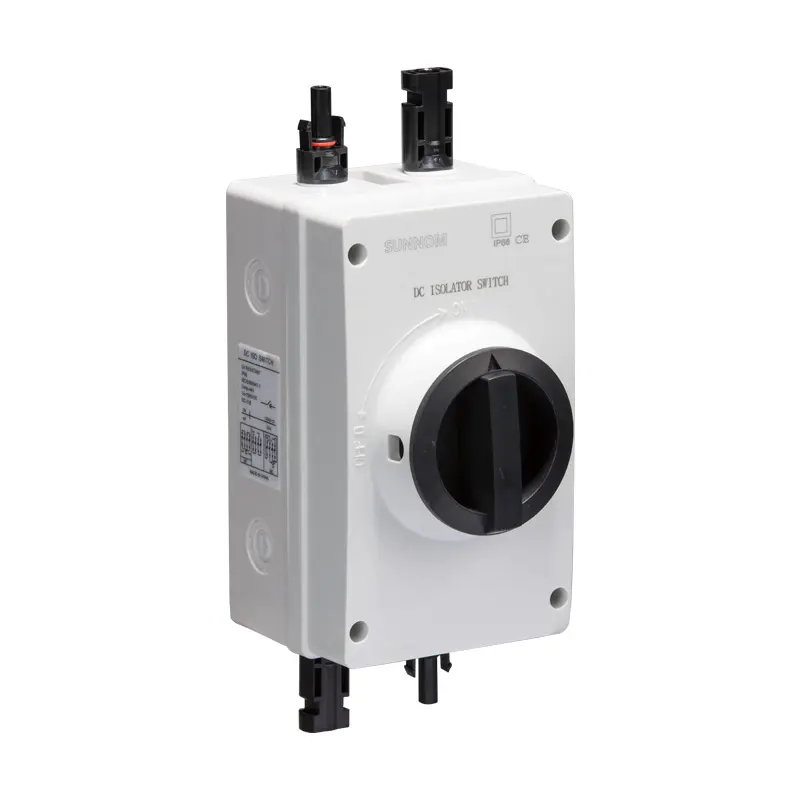
Solar photovoltaic systems rely on robust electrical components to ensure safe operation and efficient power generation. Among these critical components, the pv isolator switch serves as a vital safety device that enables technicians to disconnect DC circuits during maintenance, emergencies, or system upgrades. Despite their importance, these switches can experience various operational failures that compromise system safety and performance. Understanding how to identify and resolve these issues is essential for solar installers, maintenance technicians, and facility managers responsible for photovoltaic installations.
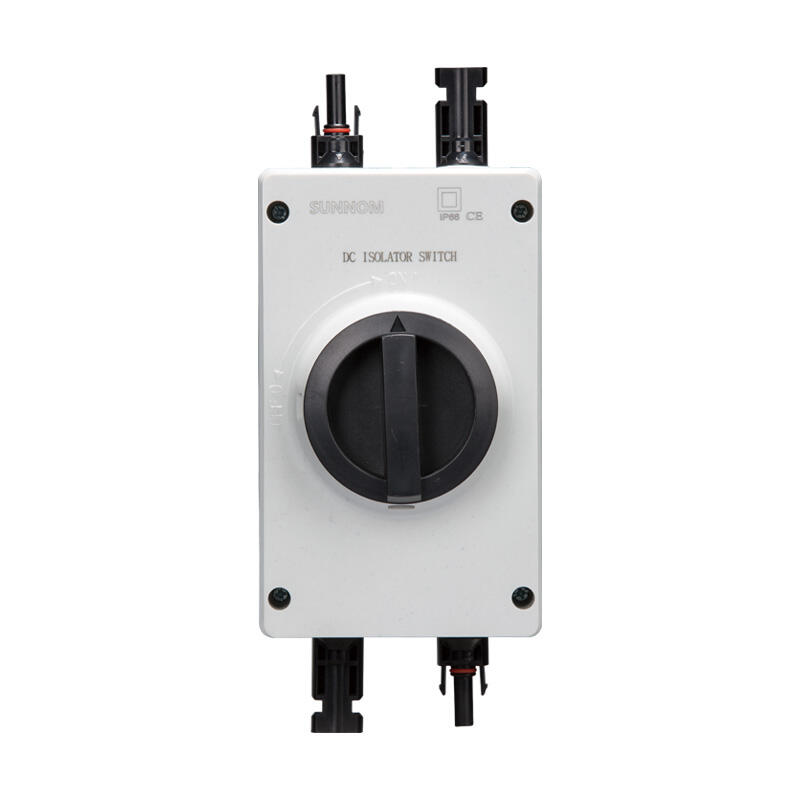
This comprehensive guide addresses the most frequent failure modes encountered in PV isolator switches and provides systematic troubleshooting methodologies to diagnose and rectify these problems. Whether you are dealing with contact degradation, mechanical wear, environmental damage, or electrical faults, the following sections deliver practical diagnostic procedures and corrective actions that restore switch functionality and maintain system integrity. By mastering these troubleshooting techniques, you can minimize downtime, prevent safety hazards, and extend the operational lifespan of your solar power infrastructure.
Understanding Common Failure Mechanisms in PV Isolator Switches
Contact Resistance Buildup and Arc Damage
One of the most prevalent issues affecting pv isolator switch performance is the gradual increase in contact resistance caused by oxidation, carbon deposits, and micro-arcing. When a switch operates under DC voltage conditions, arcing during opening or closing operations can erode contact surfaces and create carbonized residue that impedes current flow. This buildup generates localized heating, which accelerates further oxidation and creates a destructive cycle that eventually leads to complete contact failure. Technicians should monitor voltage drops across closed contacts using precision multimeters, as readings exceeding manufacturer specifications indicate deteriorating contact integrity requiring immediate attention.
The formation of arc damage typically manifests as pitting, burning, or visible discoloration on contact surfaces. High-current switching applications exacerbate this condition, particularly when switches are operated under load rather than following proper isolation procedures. To diagnose this failure mode, visually inspect contact surfaces after safely isolating the circuit and look for irregular wear patterns, metallic deposits, or charred areas. If contact resistance measurements reveal values significantly higher than factory specifications, the affected components must be cleaned using appropriate contact restoration materials or replaced entirely depending on damage severity.
Mechanical Wear and Operating Mechanism Failure
The mechanical components within a pv isolator switch undergo repeated stress during normal operation, leading to gradual wear that affects switching reliability. Spring mechanisms, pivot points, actuator linkages, and locking mechanisms can deteriorate due to fatigue, corrosion, or inadequate lubrication. When mechanical integrity degrades, switches may fail to achieve complete contact closure, exhibit inconsistent positioning, or become difficult to operate manually. These symptoms often appear gradually, making regular operational testing essential for early detection before complete mechanical failure occurs.
Troubleshooting mechanical failures requires systematic examination of the entire operating mechanism. Begin by testing switch operation without electrical load to assess mechanical smoothness and verify that the actuator moves freely through its complete range. Listen for unusual sounds such as grinding, clicking, or scraping that indicate misalignment or worn components. Check that the switch achieves firm, positive engagement in both open and closed positions with appropriate tactile feedback. If the mechanism feels loose, binds during travel, or fails to lock securely in either position, disassemble the unit according to manufacturer procedures to inspect internal components for wear, corrosion, or broken parts that require replacement.
Environmental Degradation and Seal Failures
Outdoor photovoltaic installations expose pv isolator switch enclosures to harsh environmental conditions including temperature extremes, moisture, ultraviolet radiation, and airborne contaminants. When protective seals deteriorate or enclosure integrity becomes compromised, moisture ingress leads to internal corrosion, insulation breakdown, and tracking failures. UV exposure degrades polymer components such as gaskets, cable entry glands, and enclosure materials, creating pathways for water penetration. Coastal installations face additional challenges from salt-laden air that accelerates corrosion of metallic components and electrical connections.
Identifying environmental damage requires thorough external and internal inspection of the switch assembly. Examine enclosure seals for cracking, hardening, or visible gaps that could allow moisture entry. Check cable entry points for proper gland compression and seal integrity. Open the enclosure and inspect for condensation, corrosion deposits, or water staining that indicates past or ongoing moisture infiltration. Test insulation resistance between live conductors and ground using a megohmmeter set to appropriate voltage levels, typically 500V or 1000V DC. Readings below manufacturer specifications or industry standards signal insulation compromise requiring immediate corrective action to prevent electrical faults and safety hazards.
Diagnostic Procedures for Electrical Failures
Voltage Drop Testing and Contact Resistance Measurement
Accurate electrical testing forms the foundation of effective pv isolator switch troubleshooting. Voltage drop measurements across closed contacts reveal the quality of electrical connection and help identify degraded contact surfaces before they cause operational problems. Using a calibrated digital multimeter capable of millivolt resolution, measure the voltage difference between input and output terminals while the circuit carries typical operating current. Healthy contacts should exhibit voltage drops in the low millivolt range, typically below 100mV for switches rated at 32A or higher. Elevated readings indicate increased contact resistance demanding investigation and potential corrective action.
Contact resistance can also be measured directly using specialized low-resistance ohmmeters or micro-ohmmeters that inject controlled test currents and measure resulting voltage drops. This approach provides more precise quantification of contact condition without requiring system operation under load. Document baseline resistance values for new or properly maintained switches to establish reference points for future comparisons. Progressive increases in measured resistance over time indicate ongoing contact degradation that requires proactive maintenance intervention. When resistance values exceed manufacturer specifications by more than fifty percent, plan for contact cleaning or component replacement during the next scheduled maintenance window.
Insulation Resistance Testing and Leakage Current Analysis
Insulation integrity between current-carrying conductors and grounded enclosure components is critical for safe pv isolator switch operation. Degraded insulation creates shock hazards and can lead to ground faults that trigger protective devices or cause equipment damage. Periodic insulation resistance testing using a megohmmeter provides quantitative assessment of insulation condition and identifies deterioration before dangerous situations develop. Testing should be performed with circuits de-energized and isolated, applying DC test voltages appropriate to the system voltage rating, typically 500V for low-voltage DC systems and 1000V for higher voltage applications.
Industry standards typically require minimum insulation resistance values of at least one megohm per kilovolt of system voltage, though many manufacturers specify higher thresholds for new equipment. Readings below these minimums indicate compromised insulation requiring investigation and remediation. When testing reveals marginal or declining insulation resistance, examine internal components for contamination, moisture, carbonized tracking paths, or damaged insulating materials. In humid environments or after extended service periods, temporary moisture absorption can reduce measured insulation resistance. In such cases, perform drying procedures using controlled heat sources or desiccants, then retest to determine if permanent insulation damage has occurred.
Arc Flash Assessment and Thermal Signature Analysis
Advanced diagnostic techniques including infrared thermography provide valuable insights into pv isolator switch operating conditions without requiring invasive testing or system shutdown. Thermal imaging cameras detect temperature anomalies that indicate excessive resistance, poor connections, or inadequate current capacity. During normal operation under typical load conditions, conduct infrared surveys of switch enclosures and external connections, comparing measured temperatures against manufacturer specifications and baseline readings from similar equipment. Hot spots exceeding normal operating temperatures by more than ten degrees Celsius warrant detailed investigation to identify underlying causes.
Thermal analysis proves particularly effective for detecting problems that do not manifest during simple continuity or resistance testing performed on de-energized equipment. Loose terminal connections, partially degraded contacts, and internal component failures often generate characteristic thermal signatures visible through infrared imaging. Document thermal survey results systematically, maintaining historical records that enable trend analysis and predictive maintenance planning. When thermal anomalies are detected, schedule detailed inspection and corrective maintenance promptly to prevent progression to complete failure. Combine thermal analysis with electrical testing and mechanical inspection for comprehensive assessment of pv isolator switch condition.
Corrective Actions and Repair Procedures
Contact Cleaning and Surface Restoration
When diagnostic testing reveals elevated contact resistance but physical damage remains limited, proper cleaning procedures can restore pv isolator switch performance without requiring component replacement. Begin by following lockout-tagout procedures to ensure circuits are completely de-energized and cannot be accidentally re-energized during maintenance. Remove the switch from service, open the enclosure, and carefully disassemble the contact assembly according to manufacturer instructions. Examine contact surfaces under adequate lighting or magnification to assess the extent of oxidation, carbon buildup, or minor pitting.
For silver or silver-plated contacts commonly used in DC switching applications, use dedicated electrical contact cleaning materials specifically formulated to remove oxidation without damaging the underlying metal. Avoid abrasive materials that could remove plating or create rough surfaces that accelerate future degradation. Apply cleaning compound sparingly and remove residue thoroughly using clean, lint-free cloths. After cleaning, measure contact resistance to verify restoration to acceptable values. Apply contact enhancement compounds only when specified by the manufacturer, as inappropriate materials can attract contaminants or interfere with proper electrical connection. Reassemble the switch carefully, ensuring proper alignment and mechanical operation before returning to service.
Component Replacement and Upgrade Strategies
When contact damage exceeds the scope of cleaning procedures or mechanical components have failed beyond repair, component replacement becomes necessary to restore pv isolator switch functionality. Source replacement parts exclusively from the original equipment manufacturer or authorized distributors to ensure proper specifications, ratings, and compatibility. Generic or counterfeit components may appear similar but often lack proper materials, manufacturing quality, or certification required for safe DC switching applications in photovoltaic systems.
During replacement procedures, take the opportunity to upgrade to improved component versions if available from the manufacturer. Enhanced contact materials, improved seal designs, or reinforced mechanical components may be offered as service parts that provide better performance and longevity than original production versions. Document all component replacements in maintenance records, including part numbers, dates, and reasons for replacement. This information supports warranty claims, enables trend analysis across multiple installations, and helps identify systemic issues requiring broader corrective action. After completing replacement work, perform comprehensive functional testing including mechanical operation verification, electrical continuity confirmation, and insulation resistance measurement before returning the switch to operational service.
Seal Replacement and Environmental Protection Enhancement
Addressing environmental degradation requires systematic replacement of compromised seals and restoration of enclosure integrity. Begin by identifying all potential moisture entry points including the main enclosure gasket, cable entry glands, actuator shaft seals, and fastener penetrations. Obtain complete seal replacement kits from the switch manufacturer containing all necessary gaskets, o-rings, and sealing components specified for the particular model. Clean all sealing surfaces thoroughly, removing old gasket material, corrosion deposits, and contamination that could prevent proper seal formation.
Install new seals according to manufacturer specifications, paying careful attention to proper orientation, compression, and fastener torque. Apply appropriate sealing compounds or thread sealants only where specifically directed by installation instructions, as excessive or inappropriate use can interfere with proper seal function. For cable entry points, ensure that glands are properly sized for the actual cable diameters used and tighten compression nuts to specified torque values that achieve effective sealing without damaging cables. In particularly harsh environments, consider applying additional protective measures such as conformal coatings to internal components, supplementary weather shields, or upgraded enclosure materials with superior UV resistance and corrosion protection.
Preventive Maintenance and Failure Prevention Strategies
Scheduled Inspection and Testing Protocols
Implementing systematic preventive maintenance programs significantly reduces the frequency and severity of pv isolator switch failures by identifying degradation early when corrective actions remain simple and cost-effective. Establish inspection schedules based on manufacturer recommendations, environmental conditions, and operational experience, typically ranging from quarterly to annual intervals depending on application severity. Each inspection should include visual examination of external condition, mechanical operation testing, electrical contact verification, and insulation resistance measurement using standardized procedures and documentation forms.
Develop comprehensive checklists that guide technicians through all required inspection points and testing procedures, ensuring consistency across different personnel and installation sites. Record all measurements and observations in maintenance management systems that enable trend analysis and predictive maintenance planning. When inspection results reveal progressive degradation trends, adjust maintenance intervals or implement enhanced monitoring to prevent unexpected failures. Compare performance data across multiple units within large installations to identify switches experiencing accelerated degradation that may indicate manufacturing defects, environmental factors, or operational stress requiring attention. Regular preventive maintenance not only improves reliability but also provides opportunities to verify that switches maintain compliance with safety standards and regulatory requirements.
Operational Best Practices and User Training
Many pv isolator switch failures result from improper operation rather than inherent component defects or normal wear. Educating system operators, maintenance personnel, and emergency responders about correct isolation procedures significantly extends switch service life and maintains safety. Emphasize that DC isolator switches should never be operated under load, as arcing during switching with current flowing causes severe contact damage. Proper procedure requires opening circuit breakers or waiting for low-light conditions when PV current falls to minimal levels before operating isolator switches.
Provide clear operational instructions posted near each pv isolator switch location, indicating proper switching sequences, load isolation requirements, and emergency procedures. Train personnel to recognize signs of switch degradation including unusual operating force requirements, visible arcing, heat generation, or inconsistent contact engagement. Implement operational logging systems that record each switching operation with date, time, operator identification, and reason for operation. This documentation helps identify excessive switching frequency or inappropriate use patterns that contribute to premature failures. Establish clear protocols defining when switches may be operated by general personnel versus requiring qualified electrician involvement, ensuring that critical switching operations receive appropriate technical expertise and safety precautions.
Environmental Monitoring and Protective Measures
Proactive environmental management reduces degradation rates and extends pv isolator switch service intervals. In installations subject to particularly challenging conditions, implement supplementary protective measures beyond basic enclosure specifications. For coastal locations with salt exposure, apply corrosion inhibitors to external metallic components and increase inspection frequency to detect deterioration early. In areas with extreme temperature variations, verify that installed switches have adequate temperature ratings and consider supplementary shading or ventilation to reduce thermal stress.
Monitor environmental conditions using data loggers that record temperature, humidity, and other relevant parameters affecting switch performance and longevity. Correlate environmental exposure data with maintenance findings to identify relationships between specific conditions and accelerated degradation modes. This analysis enables targeted protective interventions and helps justify upgraded components or enhanced maintenance protocols where environmental factors exceed normal design assumptions. Consider installing weather stations or environmental sensors as part of comprehensive PV system monitoring infrastructure, integrating switch location data with broader asset management and predictive maintenance programs.
FAQ
How often should pv isolator switches be inspected and tested?
Inspection frequency for pv isolator switches depends on environmental conditions, operational intensity, and manufacturer recommendations. For most installations in moderate climates with normal operating conditions, annual comprehensive inspections suffice, including visual examination, mechanical operation testing, contact resistance measurement, and insulation testing. Harsh environments such as coastal areas, desert regions, or industrial facilities with airborne contaminants warrant semi-annual or quarterly inspections to detect accelerated degradation. Additionally, perform functional verification after any significant weather events, suspected fault conditions, or system modifications. Between scheduled inspections, operators should conduct visual checks during routine site visits, looking for obvious signs of damage, overheating, or environmental intrusion requiring immediate attention.
What voltage drop across closed contacts indicates a pv isolator switch needs maintenance?
Acceptable voltage drop across closed pv isolator switch contacts varies by current rating and manufacturer specifications, but general guidelines suggest values below 100 millivolts for switches rated 32A or higher operating at typical load currents indicate healthy contact condition. When measured voltage drops exceed 150-200 millivolts, schedule detailed inspection and potential contact cleaning or replacement. Voltage drops approaching 300-500 millivolts represent significant degradation requiring urgent corrective action to prevent further damage, excessive heating, or complete failure. Always compare measurements against manufacturer datasheets for specific switch models and consider that voltage drop increases proportionally with current, so measurements should be normalized to rated current levels for accurate assessment.
Can pv isolator switches be repaired in the field or must they be replaced entirely?
Field repair feasibility for pv isolator switches depends on the nature and extent of damage as well as manufacturer design and parts availability. Minor issues such as contact oxidation, seal degradation, or mechanical lubrication needs can typically be addressed through field maintenance using appropriate replacement parts and procedures. However, extensive contact damage, failed internal mechanisms, or compromised structural components often require complete switch replacement due to safety considerations and the limited availability of internal parts. Manufacturers generally provide guidance regarding serviceable versus non-serviceable components. When contemplating field repairs, consider technician skill levels, availability of proper tools and replacement parts, and whether repair costs approach replacement expenses. Always prioritize safety and regulatory compliance over economy, replacing units rather than attempting marginal repairs that could compromise system protection.
What are the most common causes of premature pv isolator switch failure?
The leading cause of premature pv isolator switch failure is improper operation under load, creating destructive arcing that rapidly degrades contact surfaces. Many operators incorrectly treat DC isolators as switching devices rather than isolation mechanisms, operating them while current flows instead of first opening circuit breakers or waiting for low-light conditions. Environmental factors rank second, particularly moisture ingress through compromised seals that causes internal corrosion and insulation breakdown. Inadequate maintenance intervals allowing progressive degradation to advance beyond repairable stages also contributes significantly to premature failures. Additional factors include installation in locations exceeding rated environmental specifications, physical damage from impacts or unauthorized modifications, and manufacturing defects in substandard or counterfeit products. Implementing proper operational procedures, maintaining appropriate inspection schedules, and sourcing quality components from reputable manufacturers effectively addresses most premature failure causes.
Table of Contents
- Understanding Common Failure Mechanisms in PV Isolator Switches
- Diagnostic Procedures for Electrical Failures
- Corrective Actions and Repair Procedures
- Preventive Maintenance and Failure Prevention Strategies
-
FAQ
- How often should pv isolator switches be inspected and tested?
- What voltage drop across closed contacts indicates a pv isolator switch needs maintenance?
- Can pv isolator switches be repaired in the field or must they be replaced entirely?
- What are the most common causes of premature pv isolator switch failure?