
 EN
EN



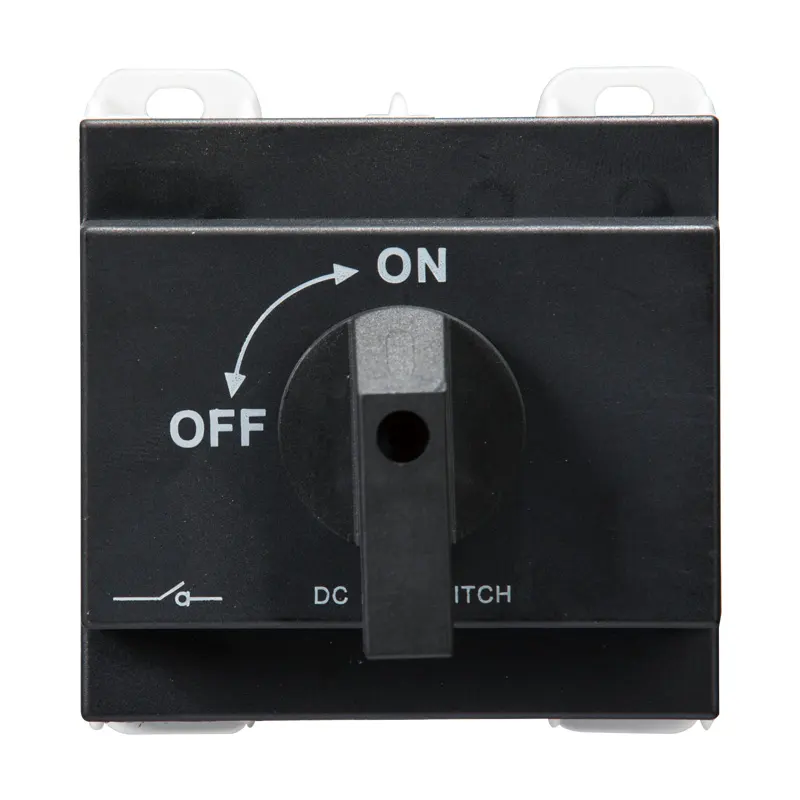
Industrial solar farms face unique operational challenges that demand robust, reliable, and maintenance-efficient electrical safety equipment. Among the various disconnect solutions available, rotary isolator switches have emerged as the dominant choice for large-scale photovoltaic installations worldwide. These mechanical switching devices provide critical safety functions during maintenance, emergency shutdowns, and routine inspections, but their preference over other disconnect technologies stems from specific design attributes that align perfectly with the harsh environmental conditions and operational requirements of utility-scale solar power generation facilities.
The selection of appropriate disconnect mechanisms directly impacts system uptime, worker safety, and long-term operational costs in solar farms spanning hundreds of acres. While various isolation technologies exist in the electrical industry, the rotary design has proven exceptionally well-suited to the voltage ranges, current loads, environmental exposures, and accessibility requirements that characterize modern photovoltaic arrays. Understanding why rotary isolators have become the industry standard requires examining their mechanical advantages, environmental resilience, operational reliability, and economic benefits compared to alternative switching technologies in the demanding context of industrial solar power generation.
Mechanical Superiority in High-Voltage DC Applications
Positive Breaking Action and Arc Suppression
Rotary isolator switches deliver a distinct mechanical advantage through their positive breaking action, which is particularly critical in DC photovoltaic systems where electrical arcs behave differently than in AC circuits. The rotational mechanism creates a rapid, forceful separation of contacts that quickly extinguishes the DC arc formed during circuit interruption. Unlike toggle or push-button designs that may produce hesitant or incomplete contact separation, the rotary motion ensures contacts move decisively through the arc zone, minimizing contact erosion and reducing the risk of sustained arcing that could damage the switch or create safety hazards.
The cam-driven contact system inherent to rotary designs generates consistent breaking speed regardless of operator force or speed, which is essential for reliable arc extinction in high-voltage DC systems. Industrial solar farms typically operate at 600V to 1500V DC, voltage levels where arc energy can cause significant equipment damage if not properly managed. The mechanical leverage built into rotary switch mechanisms ensures contacts achieve the necessary separation distance quickly, even when operators turn the handle slowly or cautiously. This design characteristic makes the pv isolator switch with rotary mechanism inherently safer than alternatives that rely on operator action speed for proper arc interruption.
Visible Contact Position and Safety Verification
The rotary mechanism provides immediate visual confirmation of contact position through the handle orientation, a critical safety feature when technicians work on energized solar arrays. The handle position directly corresponds to the internal contact state, with the perpendicular orientation universally indicating the open or isolated position. This intuitive, mechanical linkage between handle and contacts eliminates ambiguity about switch state, reducing the risk of accidental energization during maintenance activities. In large solar farms where dozens of pv isolator switch units may be distributed across extensive combiner stations and inverter platforms, this immediate visual verification significantly enhances worker safety and operational efficiency.
Many rotary isolator designs incorporate additional safety features such as transparent viewing windows that allow direct observation of contact separation, providing secondary verification beyond handle position alone. This visible air gap between contacts offers definitive proof of electrical isolation, which is particularly valuable in high-consequence maintenance scenarios such as inverter replacement or combiner box repairs. The mechanical certainty of rotary designs contrasts sharply with electronic or remotely operated switches where contact position must be inferred from indicator lights or digital displays that could potentially fail or misrepresent actual switch state, creating dangerous working conditions for field personnel.
Mechanical Durability and Contact Pressure Maintenance
Rotary isolator switches maintain consistent contact pressure throughout their operational life through spring-loaded contact systems that compensate for material wear and thermal cycling effects. The cam mechanism generates high contact force when the switch closes, creating low-resistance connections that minimize heating and voltage drop under continuous current flow. This sustained contact pressure is essential in solar applications where pv isolator switch devices may carry rated current for extended periods without interruption, unlike circuit breakers that primarily serve intermittent protection functions. The rotary design's ability to maintain pressure as contacts gradually wear ensures stable electrical performance over thousands of operating cycles.
The robust mechanical construction of rotary switches provides exceptional resistance to vibration and mechanical shock, environmental factors commonly encountered in solar farm installations where wind loads, thermal expansion, and equipment vibration from nearby inverters create continuous mechanical stress. The simple rotary mechanism contains fewer small parts and precision alignments compared to push-button or toggle designs, resulting in greater tolerance for the mechanical disturbances that characterize outdoor industrial installations. This mechanical resilience translates directly to reduced maintenance frequency and lower failure rates, making rotary designs particularly cost-effective for remote solar installations where service visits incur significant travel and labor expenses.
Environmental Resilience in Outdoor Solar Installations
Weather Resistance and Ingress Protection
Industrial solar farms expose electrical equipment to extreme environmental conditions including temperature fluctuations, intense UV radiation, precipitation, dust, and corrosive atmospheres. Rotary isolator switches excel in these challenging environments through enclosure designs that readily achieve high ingress protection ratings, typically IP65 or IP66, which prevent moisture and particulate contamination from compromising internal switching mechanisms. The rotary shaft penetration through the enclosure wall represents a single, controllable entry point that can be effectively sealed with gaskets and shaft seals, whereas designs with multiple actuator elements or indicator protrusions present additional vulnerability points for environmental ingress.
The compact, enclosed nature of rotary switching mechanisms provides inherent protection against UV degradation, moisture accumulation, and dust infiltration that could interfere with contact surfaces or actuator movement. Many pv isolator switch models designed for solar applications feature UV-stabilized polycarbonate or fiberglass-reinforced polyester enclosures specifically engineered to withstand decades of direct sunlight exposure without cracking, discoloration, or mechanical degradation. The sealed construction prevents condensation formation on contact surfaces, a common failure mode in electrical disconnects exposed to diurnal temperature cycles where warm daytime air entering enclosures condenses overnight, creating conductive moisture films that cause tracking, corrosion, and eventual insulation failure.
Temperature Performance and Thermal Stability
Solar installations in desert regions may experience ambient temperatures exceeding 50°C combined with additional radiative heating from nearby PV panels and inverter equipment, creating thermal environments that challenge electrical component performance and material stability. Rotary isolator switches demonstrate superior thermal performance through materials selection and design features that accommodate these temperature extremes while maintaining electrical integrity and mechanical functionality. The contact materials used in quality pv isolator switch products, typically silver alloy or silver-plated copper, resist oxidation and maintain conductivity across wide temperature ranges, ensuring consistent low-resistance connections in both extreme heat and cold conditions.
The thermal expansion characteristics of rotary switch components are carefully matched to prevent binding, excessive wear, or loss of contact pressure as materials expand and contract with temperature variations. The simple rotational geometry of these switches inherently accommodates differential thermal expansion better than complex multi-axis mechanisms found in some alternative designs. This thermal stability ensures reliable operation across the typical solar farm temperature range of -40°C to +70°C, eliminating concerns about switches becoming difficult to operate in cold weather or experiencing contact degradation during prolonged heat exposure. The thermal resilience of rotary designs contributes significantly to their reputation for maintenance-free operation over extended service lives in harsh outdoor environments.
Corrosion Resistance and Material Longevity
Coastal solar installations and facilities in industrial areas face accelerated corrosion from salt-laden air and atmospheric pollutants that attack metallic components and compromise electrical connections. Rotary isolator switches address these corrosive environments through strategic material selection and protective coatings that extend operational life in aggressive atmospheres. External enclosure components typically feature powder-coated aluminum, stainless steel, or corrosion-resistant polymer materials that resist oxidation and maintain structural integrity despite continuous exposure to corrosive agents. Internal contact surfaces employ noble metal plating or alloys that resist tarnishing and oxide formation, ensuring consistent electrical performance even after years of environmental exposure.
The sealed construction of rotary pv isolator switch designs minimizes the need for field maintenance related to corrosion prevention, as the enclosure protects critical switching components from direct atmospheric exposure. This contrasts with open-frame or partially exposed switching mechanisms that require periodic inspection, cleaning, and contact treatment to maintain performance in corrosive environments. The material durability of properly specified rotary switches enables them to meet or exceed the 25-year operational life expectancy of photovoltaic modules themselves, ensuring the safety infrastructure remains functional throughout the productive life of the solar installation without requiring costly replacement or extensive maintenance interventions.
Operational Reliability and Maintenance Efficiency
Simplicity and Field Serviceability
The mechanical simplicity of rotary isolator switches translates directly to exceptional field reliability and reduced maintenance requirements, critical advantages in solar farms located in remote areas where specialized technical support may be hours away. The rotary mechanism contains relatively few moving parts compared to complex switching designs, and these components are typically robust, forgiveness to minor misalignment, and resistant to wear from normal operational cycling. This mechanical simplicity means fewer potential failure modes and greater tolerance for the imperfect maintenance practices that sometimes characterize field operations, where technicians may lack specialized tools or detailed service documentation.
When service becomes necessary, rotary pv isolator switch designs typically allow straightforward component replacement without requiring precise adjustments or specialized calibration procedures. Contact assemblies can often be replaced as complete modules, and the mechanical nature of the rotary actuator means failures produce obvious symptoms such as increased handle resistance or abnormal positions that field technicians can readily diagnose without sophisticated testing equipment. This serviceability advantage reduces mean time to repair and minimizes the specialized training required for maintenance personnel, factors that significantly impact operational costs in distributed solar installations where maintaining large inventories of specialized technical staff is economically impractical.
Load Break Capability and Switching Flexibility
While basic isolator switches are designed for no-load operation, many rotary designs used in solar applications incorporate load-break capability that allows safe disconnection under operational current levels, providing operational flexibility that reduces maintenance complexity and improves system availability. This load-switching capability is particularly valuable in solar installations where achieving true no-load conditions may require complex coordination of upstream disconnects or waiting for low-production periods during dawn or dusk. The robust arc interruption characteristics of rotary mechanisms enable controlled current breaking without excessive contact wear, allowing emergency disconnection or unplanned maintenance without elaborate load-shedding procedures.
The load-break capability of advanced rotary pv isolator switch products streamlines routine maintenance activities such as inverter servicing or combiner box inspections by eliminating the need to coordinate shutdowns with production schedules or to manipulate multiple disconnect points in proper sequence. Technicians can safely open rotary isolators carrying operational current, perform necessary work, and restore service without complex procedures or extended downtime. This operational flexibility translates to improved system availability and reduced lost production during maintenance windows, economic benefits that often justify the incremental cost premium of load-break capable rotary switches over basic isolation designs.
Integration with Lockout-Tagout Procedures
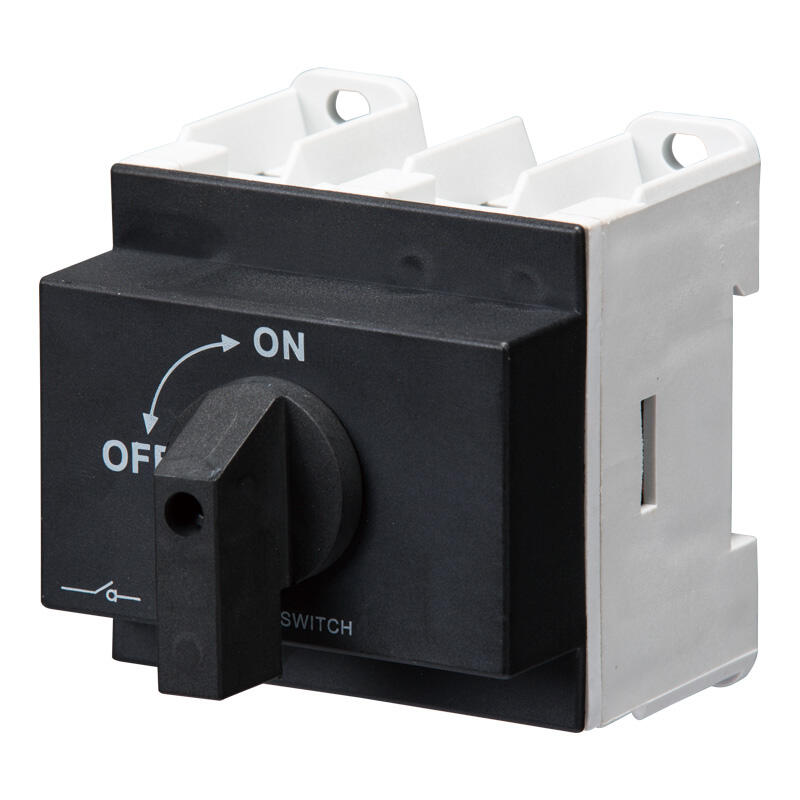
Safety protocols in industrial solar facilities require robust lockout-tagout procedures that physically prevent energization of equipment during maintenance activities, and rotary isolator switches provide excellent compatibility with these safety systems through their mechanical design and handle configurations. The external operating handle of rotary switches readily accommodates padlocks, safety locks, and lockout devices that physically prevent handle rotation when maintenance work is in progress. This mechanical lockout capability provides positive, fail-safe protection against accidental energization that cannot be defeated by electronic failures or communication errors, unlike remotely operated switches that rely on control system integrity for safety function.
The standardized lockout provisions found on most rotary pv isolator switch designs simplify safety training and procedure development across multi-site solar portfolios, as maintenance crews can apply consistent lockout techniques regardless of manufacturer or specific switch model. Many jurisdictions require lockable disconnects for solar installations, making the inherent lockout compatibility of rotary designs a regulatory advantage that simplifies permitting and inspection processes. The mechanical certainty of locked-out rotary switches provides psychological confidence for workers performing maintenance in high-voltage environments, reducing stress and improving focus during complex repair procedures where distraction or uncertainty about equipment state could lead to serious safety incidents.
Economic Advantages and Total Cost of Ownership
Initial Cost Competitiveness and Value Engineering
Despite their robust construction and superior performance characteristics, rotary isolator switches typically offer favorable initial costs compared to alternative disconnect technologies when evaluated on a capability-adjusted basis. The mature manufacturing processes for rotary mechanisms, combined with the design's relatively simple component count, enable competitive pricing that makes high-quality pv isolator switch products accessible even for cost-sensitive utility-scale projects. The economies of scale achieved through widespread adoption of rotary designs across industrial sectors have driven manufacturing efficiency improvements and supply chain optimization that benefit solar applications through reduced component costs and improved availability.
The value engineering advantages of rotary designs become particularly apparent when comparing total installed cost including mounting hardware, wiring provisions, and installation labor. The standardized footprints and mounting patterns of rotary switches simplify panel design and reduce fabrication costs for combiner boxes and inverter enclosures. The mechanical simplicity of rotary actuation eliminates requirements for auxiliary power supplies, control wiring, or electronic controllers necessary with motorized or solenoid-operated alternatives. These installation cost advantages compound across large solar farms deploying hundreds of disconnect points, generating significant project-level savings that improve overall investment returns and make solar energy more economically competitive with conventional generation sources.
Lifecycle Costs and Maintenance Economics
The total cost of ownership for rotary isolator switches proves exceptionally favorable when evaluated over the 25-year or longer operational life of industrial solar installations, primarily through minimized maintenance requirements and extended replacement intervals. The mechanical durability and environmental resilience of quality rotary pv isolator switch products typically enable maintenance-free operation throughout their service life under normal solar farm conditions, eliminating recurring labor costs for routine inspections, contact cleaning, or lubrication activities. This maintenance simplicity reduces both direct service costs and indirect costs associated with system downtime, staff deployment to remote sites, and spare parts inventory management.
The extended operational life of rotary switches defers replacement costs and reduces lifecycle equipment procurement expenses compared to less durable alternatives that may require replacement one or more times during the productive life of the solar installation. While premium rotary isolators may command higher initial purchase prices than basic disconnect alternatives, this cost differential typically represents a small fraction of the total lifecycle cost advantage gained through reduced maintenance frequency and extended service life. Financial analyses that properly account for time-value of money, avoided downtime costs, and deferred replacement expenditures consistently demonstrate the economic superiority of high-quality rotary isolators for industrial solar applications where reliability and longevity directly impact investment returns.
Risk Mitigation and Insurance Considerations
The proven reliability and safety record of rotary isolator switches contributes to risk reduction in solar farm operations, potentially influencing insurance premiums, financing terms, and regulatory compliance costs. The positive safety reputation of mechanical rotary designs, particularly their fail-safe mechanical lockout capabilities and visible contact position verification, aligns well with safety protocols emphasized by insurers and financial institutions evaluating solar project risk profiles. Some insurance underwriters explicitly recognize equipment quality and safety features in premium calculations, creating potential cost advantages for installations employing proven rotary pv isolator switch technology versus less established or complex alternatives.
The reduced failure frequency associated with quality rotary isolators minimizes business interruption risk and associated costs including lost production revenue, emergency repair expenses, and potential contractual penalties for unavailability under power purchase agreements. This operational reliability contributes to more predictable cash flows and reduced financial risk, factors that may improve project financing terms and reduce capital costs during initial development phases. The cumulative effect of these risk mitigation benefits, while difficult to quantify precisely, represents genuine economic value that strengthens the overall business case for rotary isolator deployment in industrial solar applications where investment returns depend critically on long-term operational reliability and predictable performance.
Standards Compliance and Universal Acceptance
Regulatory Recognition and Certification
Rotary isolator switches benefit from widespread recognition in international electrical safety standards and widespread availability of third-party certifications that streamline equipment approval processes for solar projects across diverse regulatory jurisdictions. Major standards organizations including IEC, UL, and regional authorities have established specific testing protocols and performance requirements for pv isolator switch products, and rotary designs have proven highly successful in meeting these stringent safety and performance criteria. This extensive certification base reduces project risk by providing assurance that equipment meets applicable safety requirements and simplifies the permitting and inspection processes that solar installations must navigate in most jurisdictions.
The mature regulatory framework surrounding rotary disconnect technology means that electrical inspectors, authorities having jurisdiction, and utility interconnection engineers are thoroughly familiar with proper application requirements and installation practices. This familiarity reduces the likelihood of approval delays, inspection failures, or requirements for special justifications that might accompany less established switching technologies. The universal acceptance of rotary isolators across global markets also simplifies equipment specification for international solar developers and engineering firms that deploy projects across multiple countries, as the fundamental design approach remains consistent even as specific product certifications and ratings vary by region.
Industry Standardization and Supply Chain Reliability
The solar industry's convergence on rotary isolator technology has created a robust, competitive supply base with multiple manufacturers offering compatible products across various voltage and current ratings. This supply chain depth provides procurement advantages including competitive pricing, reduced lead times, and improved product availability compared to specialized or proprietary switching technologies with limited supplier bases. The ability to competitively bid pv isolator switch procurement across multiple qualified suppliers reduces project costs and mitigates supply chain risks associated with single-source dependencies that could jeopardize project schedules or create vendor leverage in pricing negotiations.
The standardization of rotary isolator footprints, mounting configurations, and terminal arrangements across manufacturers facilitates design standardization and simplifies spare parts management for solar farm operators managing large equipment portfolios. Maintenance organizations can stock generic replacement units that substitute across multiple manufacturers' products, reducing inventory carrying costs and improving parts availability for emergency repairs. This interchangeability advantage contrasts sharply with proprietary switching designs where replacement components must be sourced from original manufacturers, potentially creating long lead times and higher costs when failures occur outside warranty periods or when original suppliers exit markets or discontinue product lines.
FAQ
What voltage and current ratings are available for rotary pv isolator switches used in solar farms?
Rotary isolator switches for industrial solar applications are manufactured in a wide range of ratings to accommodate different system architectures and power levels. DC voltage ratings typically span from 600V to 1500V, covering both traditional 1000V systems and newer high-voltage designs operating at 1500V that reduce balance-of-system costs in utility-scale installations. Current ratings generally range from 16A for string-level applications through 63A and 125A for combiner circuits, up to 400A or higher for main array disconnects and inverter isolation. When selecting ratings, engineers must account for continuous current capability, short-circuit withstand ratings, and appropriate derating factors for ambient temperature and altitude conditions at specific installation sites to ensure safe, reliable operation throughout the system's operational life.
How do rotary isolators compare to motorized or remotely operated switches for solar farm applications?
While motorized or remotely operated switches offer convenience for centralized control and automation integration, rotary manual isolators remain preferred for primary safety disconnects in most industrial solar installations due to their mechanical simplicity, fail-safe operation, and lower total cost of ownership. Motorized switches introduce additional complexity through motors, control circuits, and auxiliary power requirements that represent additional failure points and maintenance requirements. The mechanical certainty of manual rotary operation ensures switches function even during control system failures or power outages, providing reliable safety isolation under all conditions. Many facilities employ a hybrid approach using motorized switches for routine remote operation while retaining local manual rotary isolators as primary safety disconnects that provide fail-safe isolation capability independent of control system functionality or auxiliary power availability.
What maintenance activities are required for rotary pv isolator switches in outdoor solar installations?
Quality rotary isolator switches designed specifically for photovoltaic applications typically require minimal scheduled maintenance when properly specified and installed, with many manufacturers rating their products for maintenance-free operation under normal environmental conditions. Recommended maintenance practices generally include periodic visual inspection of enclosure condition checking for physical damage, corrosion, or seal degradation, and verification of proper handle operation and lockout mechanism function. Most manufacturers do not recommend routine contact inspection or lubrication for sealed units, as opening enclosures may compromise environmental protection and introduce contamination. Facilities operating in particularly harsh environments such as coastal installations or areas with heavy industrial pollution may implement more frequent inspection schedules and may perform thermographic surveys to identify developing connection resistance issues before they cause failures. Operational testing under load should be performed only by qualified personnel following manufacturer guidelines, as improper load switching can damage contacts in isolators not rated for load-break duty.
Can rotary isolators be used for both string-level and combiner-level disconnection in solar arrays?
Rotary isolator switches are successfully deployed at multiple levels within solar array architectures, from individual string disconnects through combiner circuits to main array isolation points, though specific product selection must carefully match the electrical requirements and environmental conditions at each application level. String-level isolators typically employ lower current ratings and compact enclosures suitable for mounting near inverter inputs or on array structures, while combiner-level switches require higher current ratings to accommodate multiple parallel strings and more robust enclosures to withstand the concentrated environmental exposure of field-mounted combiner boxes. Main array disconnects demand the highest ratings and often incorporate additional safety features such as load-break capability and enhanced lockout provisions. The mechanical reliability and environmental resilience of rotary designs make them suitable across all these application levels, though engineers must ensure selected products carry appropriate certifications and ratings for their specific installation location and electrical function within the system architecture.
Table of Contents
- Mechanical Superiority in High-Voltage DC Applications
- Environmental Resilience in Outdoor Solar Installations
- Operational Reliability and Maintenance Efficiency
- Economic Advantages and Total Cost of Ownership
- Standards Compliance and Universal Acceptance
-
FAQ
- What voltage and current ratings are available for rotary pv isolator switches used in solar farms?
- How do rotary isolators compare to motorized or remotely operated switches for solar farm applications?
- What maintenance activities are required for rotary pv isolator switches in outdoor solar installations?
- Can rotary isolators be used for both string-level and combiner-level disconnection in solar arrays?