
 EN
EN


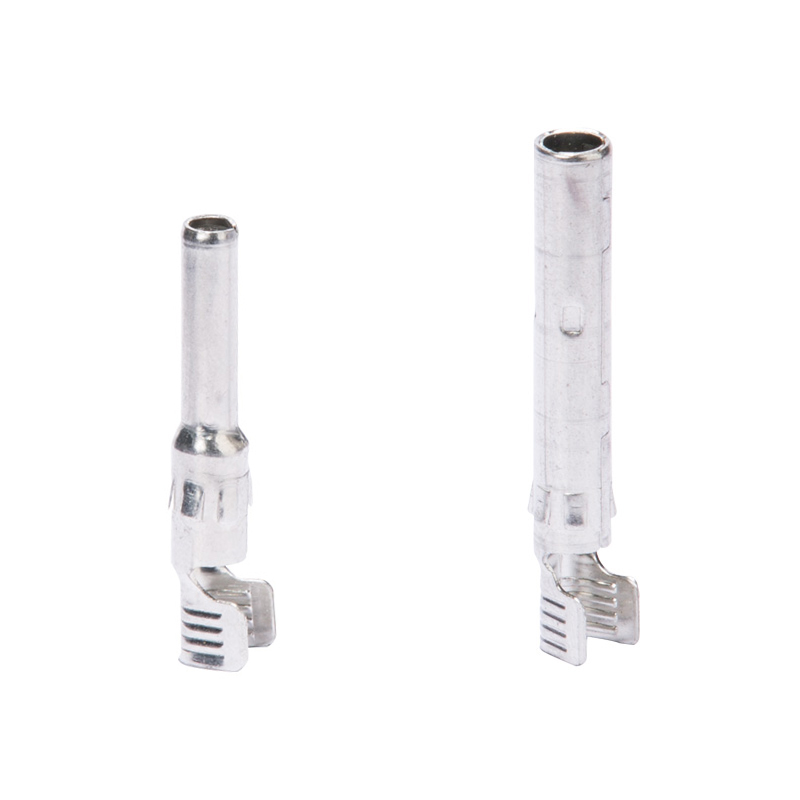
Q: Why is the debate between 'Cold-Crimp' and 'Soldering' cable terminations so critical for high-amperage B2B solar installations, and which method is superior?
As utility-scale solar installations scale up in amperage and voltage, the physical connections that join high-power PV panels, combiners, and central inverters together are placed under extreme electrical and environmental stress. A recurring and fundamental question that confronts solar EPC (Engineering, Procurement, and Construction) contractors, electrical engineers, and O&M specialists is how to terminate high-amperage cables onto solar connector contact pins. Historically, electrical technicians have debated the merits of cold-crimping versus soldering. While soldering is often perceived as creating a strong metallurgical bond, modern high-amperage solar applications have firmly established cold-crimping as the industry standard. This technical article explores why cold-crimping is far superior to soldering for high-amperage B2B solar arrays and how SUNNOM connector technology optimizes cold-crimp mechanical integrity.
The Mechanics of Cold-Crimping: Creating a Gas-Tight Join
Cold-crimping is a mechanical termination method that utilizes extreme pressure to deform a connector barrel around a multi-strand copper conductor. When performed correctly with a high-precision, calibrated tool, cold-crimping achieves several critical physical changes:
- Material Deformation: Under the immense force of the crimping die, the walls of the contact barrel and the copper strands of the cable are compressed beyond their yield strength. The metal undergoes plastic deformation, squeezing out air gaps between individual copper strands.
- Cold Welding: The pressure forces the microscopic boundaries of the copper strands and the contact barrel to press against each other so tightly that they form a cold weld. This contact occurs at a molecular level, establishing a homogeneous metal joint without the introduction of heat.
- Gas-Tight Interface: The elimination of air gaps creates a gas-tight seal inside the crimped barrel. This prevents oxygen, moisture, and corrosive atmospheric gases from entering the joint. As a result, the internal conductors are completely isolated from environmental oxidation, maintaining an ultra-low contact resistance over decades of field service.
The Inherent Vulnerabilities of Soldering in High-Amperage PV Systems
Although soldering is a reliable termination method for low-current, low-temperature electronics, it introduces severe engineering vulnerabilities when applied to high-amperage, outdoor solar cables:
- Cold Solder Joints: Soldering heavy-gauge copper PV cables (such as 4mm2 to 10mm2 or larger) requires a massive amount of heat. Because copper has excellent thermal conductivity, it acts as a massive heat sink. Achieving a consistent, high-quality solder flow throughout the entire thickness of a thick cable is extremely difficult. Technicians often produce cold solder joints, which are structurally weak and have high electrical resistance.
- Plating Damage: High-performance solar contact pins are plated with silver or tin to prevent corrosion. The extreme heat required to solder thick copper wires can easily degrade or burn off this protective plating, exposing the raw copper underneath to rapid oxidation.
- Solder Melting and Flow: Solder alloys (typically tin-lead or lead-free tin-copper-silver) have relatively low melting points, typically ranging from 180 to 230 degrees Celsius. High-amperage solar installations operating under high-current, high-ambient desert environments can easily see connector temperatures spike. If a minor resistance anomaly occurs, the temperature can quickly climb toward the melting point of the solder. Under load, the solder can soften, flow, and cause the physical joint to fail, leading to catastrophic open-circuits and electrical arcing.
- Flux Corrosion: Solder wire contains flux to remove surface oxides during the heating process. If any flux residue is left trapped inside the multi-strand wire, it becomes highly corrosive over time, chewing away at the copper strands and leading to a slow, irreversible increase in resistance.
- Copper Embrittlement: During soldering, molten solder travels up the copper strands of the cable via capillary action. As it cools, it creates a rigid, solid copper-solder block. This rigid section ends abruptly, creating a severe stress-concentration point. Under the constant mechanical movement of solar arrays (due to wind, cable sag, and thermal expansion), the cable is highly prone to fatigue failure and snapping at this transition point.
Why High-Amperage Systems Amplify these Differences
In modern 1500V B2B solar systems, high-amperage current levels (often exceeding 30A or 40A on branch and string cables) multiply the electrical hazards.
According to the Joules heating formula, the heat generated in a termination is directly proportional to the resistance. A minor resistance flaw in a soldered joint will generate excessive localized heat when carrying high currents. This heat further degrades the solder, which raises the resistance, initiating a destructive thermal runaway spiral.
Furthermore, high-amperage solar setups are subject to severe daily thermal cycling. The thermal expansion coefficients of copper, solder, and the contact pin differ. Over thousands of heating and cooling cycles, these materials expand and contract at different rates, which physically cracks and loosens a soldered joint. In contrast, a cold-crimped joint, having undergone plastic deformation into a single metal mass, expands and contracts as a single body, ensuring the physical and electrical bond remains unbroken.
How SUNNOM Engineering Optimizes Cold-Crimp Integrity
SUNNOM is committed to providing solar EPCs and B2B distributors with connectors and tooling designed to maximize cold-crimp performance and eliminate field failures:
- Optimized Contact Barrel Dimensions: SUNNOM contact pins feature precisely engineered inner and outer barrel dimensions. The wall thickness of the copper barrel is optimized to deform uniformly under crimp pressure without tearing, ensuring maximum strand compaction.
- High-Purity Ductile Copper: Our contact pins are made of high-purity, soft-annealed copper with exceptional ductility. This ensures the metal flows smoothly during crimping, facilitating the formation of a flawless cold weld and minimizing mechanical rebound.
- Internal Grooves for Mechanical Grip: The inner surface of the SUNNOM crimp barrel is designed with microscopic, parallel internal ridges. During crimping, the cable strands are forced into these ridges, creating a powerful mechanical lock that resists cable pull-out forces and ensures long-term gas-tightness.
- Calibrated Hydraulic and Hand Tooling: SUNNOM offers specialized, high-precision crimping tools calibrated to match our specific connector geometries. These tools feature built-in ratchets or pressure release valves that prevent under-crimping or over-crimping, ensuring a perfect hexagonal crimp every single time.
Quality Control Protocols for EPC Field Crimping
To ensure the benefits of cold-crimping are fully realized on-site, solar engineers and EPC procurement officers should enforce strict quality control standards:
- Mandatory Pull-Tests: Perform routine destructive pull-tests on sample crimps before each shift to verify that the crimp tools are properly calibrated and that the pull-out force meets international standards (such as IEC 62852).
- Cross-Section Inspections: Periodically cut and polish crimped samples to inspect the cross-section. A perfect crimp should show a solid, honeycombed cross-section where individual wire strands have deformed into hexagons with zero visible air gaps.
- Avoid Custom Soldering: Prohibit any manual soldering modifications on high-amperage DC wiring harnesses. Stick exclusively to factory-controlled or verified field-crimping methods.
By choosing SUNNOM high-precision connectors and adopting cold-crimping as the absolute termination standard, B2B solar operators can secure their high-amperage systems against premature joint failure, fire hazards, and costly operational downtime.