Complete Guide to Solar Connector Types: Benefits, Features & Applications

Get a Free Quote

Our representative will contact you soon.
Email
Name
Company Name
Mobile
Message
0/1000

solar connector types

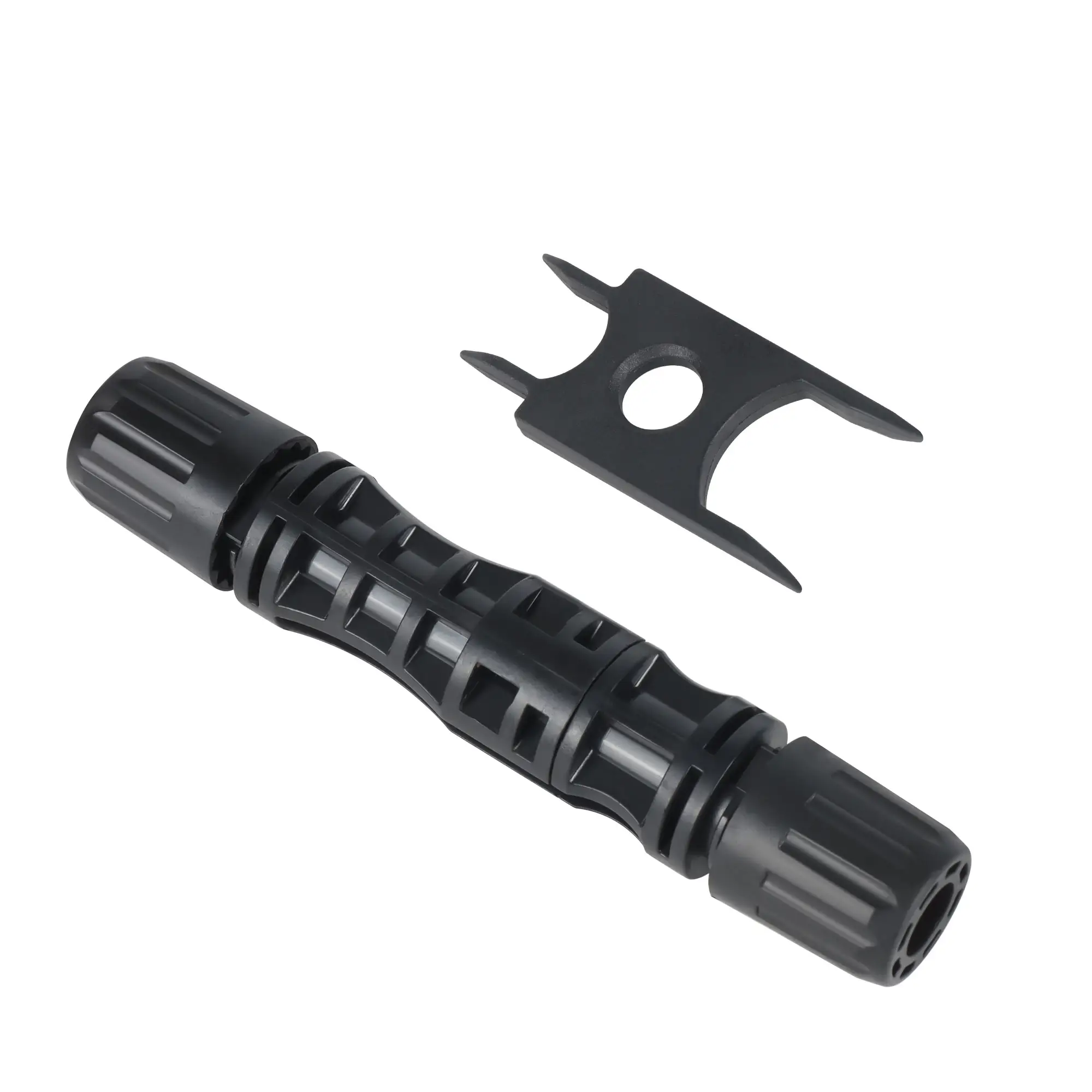
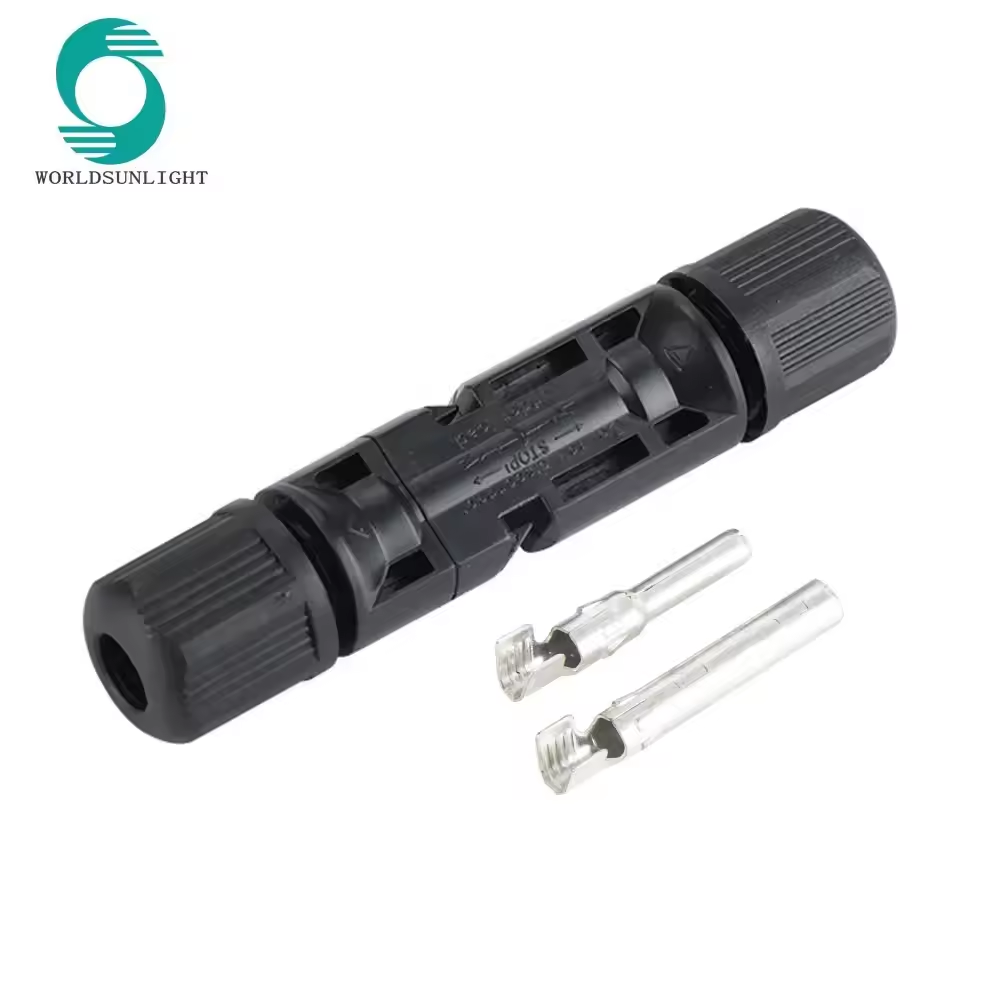
Solar connector types form the essential backbone of photovoltaic systems, serving as critical components that enable safe and efficient electrical connections between solar panels, inverters, and other system elements. These specialized connectors are engineered to withstand harsh environmental conditions while maintaining optimal electrical conductivity and system reliability. The most prevalent solar connector types include MC4 connectors, which have become the industry standard due to their robust design and universal compatibility. Other significant variants encompass MC3 connectors, Amphenol H4 connectors, and multi-contact connectors, each designed for specific applications and system requirements. The primary function of solar connector types revolves around creating weatherproof, secure electrical joints that can endure decades of outdoor exposure while minimizing power losses. These connectors incorporate advanced materials such as tinned copper contacts, UV-resistant plastic housings, and specialized sealing mechanisms that prevent moisture infiltration and corrosion. Technological features of modern solar connector types include touch-safe designs that eliminate accidental contact with live parts, tool-free assembly mechanisms for simplified installation, and color-coded systems for proper polarity identification. Many solar connector types also feature integrated strain relief systems that protect cables from mechanical stress and prevent connection failures. Applications for solar connector types span residential rooftop installations, commercial solar arrays, utility-scale solar farms, and portable solar systems. In residential applications, these connectors enable homeowners to safely expand their solar installations while maintaining system integrity. Commercial installations benefit from the scalability that standardized solar connector types provide, allowing for efficient system maintenance and upgrades. Utility-scale projects rely on these connectors for their ability to handle high current loads while maintaining consistent performance across thousands of connections. The evolution of solar connector types continues to drive innovations in solar technology, with manufacturers developing enhanced designs that offer improved electrical performance, simplified installation procedures, and extended operational lifespans that match the longevity expectations of modern solar panel systems.

New Products

Solar connector types deliver substantial benefits that directly impact system performance, installation efficiency, and long-term reliability for users across all market segments. The weatherproof design of quality solar connector types ensures consistent electrical connections regardless of environmental conditions, protecting investments from moisture damage, temperature fluctuations, and UV degradation that could otherwise compromise system performance. This durability translates to reduced maintenance costs and extended system lifespans, providing users with better return on investment over the decades-long operational period of solar installations. Installation efficiency represents another major advantage of standardized solar connector types, as their plug-and-play design eliminates the need for specialized tools or complex wiring procedures. This simplification reduces installation time by up to 50 percent compared to traditional wiring methods, lowering labor costs and enabling faster project completion. The user-friendly nature of modern solar connector types allows installers to complete connections quickly and accurately, reducing the likelihood of installation errors that could affect system performance or safety. Safety features built into solar connector types provide peace of mind for installers and system owners alike. The touch-safe design prevents accidental contact with live electrical components, while the secure locking mechanisms ensure connections cannot be accidentally disconnected during maintenance or extreme weather events. These safety features comply with international electrical codes and standards, ensuring installations meet regulatory requirements while protecting personnel and property. Electrical performance benefits of quality solar connector types include minimal power losses through low-resistance connections that maintain efficiency throughout the system's operational life. The precision-engineered contact surfaces and high-quality materials used in premium solar connector types ensure stable electrical connections that do not degrade over time. This reliability prevents hot spots, voltage drops, and other electrical issues that could reduce energy production or create safety hazards. System flexibility provided by standardized solar connector types enables easy expansion and modification of solar installations. Users can add panels, replace components, or reconfigure systems without rewiring entire sections, providing adaptability for changing energy needs or technological upgrades. This modularity also simplifies troubleshooting and maintenance procedures, allowing technicians to quickly identify and address issues without disrupting entire system operations. Cost-effectiveness emerges from the combination of reduced installation time, lower maintenance requirements, and improved system reliability that solar connector types provide, making solar energy more accessible and profitable for users at all scales.

Latest News

How Does a Surge Arrester Protector Improve Power Safety?

25

Dec

How Does a Surge Arrester Protector Improve Power Safety?

Understanding the Critical Role of Surge Protection in Modern Power Systems In today's increasingly electrified world, protecting sensitive equipment and ensuring electrical safety has become more crucial than ever. A surge arrester protector serves ...
View More
How Do DC Fuses Ensure Safe and Reliable Circuit Operation?

14

Jan

How Do DC Fuses Ensure Safe and Reliable Circuit Operation?

DC fuses play a critical role in modern electrical systems by providing essential protection against overcurrent conditions and short circuits in direct current applications. Unlike their alternating current counterparts, DC fuses must handle unique ...
View More
How to Maintain and Replace DC Fuses for Optimal Performance?

14

Jan

How to Maintain and Replace DC Fuses for Optimal Performance?

Direct current electrical systems rely heavily on protective devices to ensure safe and reliable operation across various industrial applications. DC fuses serve as critical safety components that protect circuits from overcurrent conditions, prevent...
View More
What Are the Advantages of Plastic Distribution Boxes in Corrosive Environments?

16

Mar

What Are the Advantages of Plastic Distribution Boxes in Corrosive Environments?

Industrial facilities operating in corrosive environments face significant challenges when selecting electrical distribution equipment that can withstand harsh chemical exposures, moisture, and extreme temperature fluctuations. A plastic distribution...
View More

Get a Free Quote

Our representative will contact you soon.
Email
Name
Company Name
Mobile
Message
0/1000

solar connector types

Universal Compatibility and Standardization Excellence

Universal Compatibility and Standardization Excellence

The standardization achieved through modern solar connector types represents a revolutionary advancement in photovoltaic system design and implementation. MC4 connectors, the most widely adopted solar connector types, have established universal compatibility standards that enable seamless integration across different manufacturer products and system configurations. This standardization eliminates compatibility concerns that previously plagued solar installations, where mixing components from different manufacturers often resulted in connection problems or system inefficiencies. The universal nature of these solar connector types means installers can confidently combine panels from one manufacturer with inverters from another, creating optimal system configurations based on performance and cost considerations rather than compatibility limitations. This flexibility extends throughout the supply chain, allowing distributors to maintain smaller inventories while still meeting diverse customer needs. For end users, universal compatibility translates to greater purchasing power and competitive pricing, as they are not locked into single-manufacturer ecosystems that limit choices and inflate costs. The standardization of solar connector types also facilitates system maintenance and upgrades over time, ensuring that replacement parts remain available and compatible even as technology evolves. This long-term compatibility protection provides users with confidence in their investment decisions, knowing that their systems will remain serviceable throughout their operational lifespans. Professional installers benefit significantly from this standardization, as it reduces training requirements and inventory management complexity while increasing installation efficiency across diverse project types. The reliability built into standardized solar connector types comes from rigorous testing protocols and quality standards that ensure consistent performance across all manufacturers who adopt these specifications. This reliability extends to extreme environmental conditions, where standardized solar connector types must demonstrate their ability to maintain secure connections despite temperature cycling, moisture exposure, and mechanical stress over decades of outdoor service.
Advanced Safety and Touch-Safe Technology Integration

Advanced Safety and Touch-Safe Technology Integration

Safety innovations embedded in modern solar connector types provide unprecedented protection for installers, maintenance personnel, and system owners throughout the entire lifecycle of solar installations. The touch-safe design philosophy that governs premium solar connector types ensures that live electrical components remain completely inaccessible during normal handling and connection procedures, effectively eliminating the risk of accidental electrocution that has historically concerned installers working with high-voltage DC systems. This safety advancement comes through carefully engineered housing designs that shield electrical contacts until proper mating occurs, creating physical barriers that prevent inadvertent contact with energized components. The automatic locking mechanisms integrated into quality solar connector types provide additional safety assurance by preventing accidental disconnection during system operation, maintenance activities, or severe weather events that could create dangerous conditions or system damage. These locking systems require deliberate action to disconnect, ensuring that only authorized personnel can modify system connections while maintaining secure electrical integrity under all normal operating conditions. Color-coding systems incorporated into advanced solar connector types further enhance safety by providing clear visual identification of positive and negative connections, reducing installation errors that could create safety hazards or damage expensive system components. The materials used in safety-focused solar connector types include flame-retardant plastics and corrosion-resistant metals that maintain their protective properties throughout extended exposure to outdoor environmental conditions. Emergency disconnection capabilities built into professional-grade solar connector types enable rapid system shutdown when necessary, providing critical safety functionality for emergency responders who may need to quickly de-energize solar systems during fire suppression or rescue operations. The compliance with international safety standards demonstrated by certified solar connector types ensures that installations meet or exceed regulatory requirements in jurisdictions worldwide, protecting users from liability issues while ensuring optimal safety performance. Training requirements for installers are significantly reduced when working with safety-engineered solar connector types, as the intuitive design and built-in protection features minimize the specialized knowledge needed for safe installation and maintenance procedures.
Superior Environmental Durability and Weather Resistance

Superior Environmental Durability and Weather Resistance

Environmental resilience stands as the cornerstone feature of professional-grade solar connector types, designed to withstand the harshest outdoor conditions while maintaining optimal electrical performance throughout multi-decade operational periods. The advanced sealing systems incorporated into quality solar connector types utilize multiple layers of protection including precision-molded gaskets, weatherproof housing designs, and specialized seal arrangements that create virtually impermeable barriers against moisture infiltration, dust contamination, and atmospheric pollutants that could compromise electrical connections. Temperature resistance capabilities of premium solar connector types enable reliable operation across extreme temperature ranges from arctic conditions below negative 40 degrees Celsius to desert environments exceeding 85 degrees Celsius, ensuring consistent performance regardless of geographical installation location or seasonal weather variations. The thermal cycling endurance built into these solar connector types prevents connection degradation that typically occurs when materials expand and contract repeatedly due to daily temperature fluctuations over years of service. UV resistance provided by advanced polymer formulations in solar connector types housing materials prevents the brittleness and cracking that affects inferior products after prolonged sun exposure, maintaining mechanical integrity and electrical insulation properties throughout the system's operational lifetime. Corrosion resistance achieved through specialized contact plating and housing materials in professional solar connector types ensures that electrical connections remain stable despite exposure to salt air, industrial pollutants, and other corrosive environmental factors that could otherwise cause connection failure or system degradation. The mechanical strength engineered into robust solar connector types enables them to withstand wind loading, thermal stress, and installation handling without compromising connection integrity or safety features. Vibration resistance built into industrial-grade solar connector types prevents loosening or damage that could occur in installations subject to wind movement, equipment vibration, or seismic activity. The longevity provided by environmentally hardened solar connector types matches or exceeds the operational lifespans of modern solar panels, ensuring that connections remain the strongest links in the system rather than potential failure points that could compromise energy production or require costly maintenance interventions during the system's productive years.
Complete Guide to Solar Connector Types: Benefits, Features & Applications

Get a Free Quote

Our representative will contact you soon.
Email
Name
Company Name
Mobile
Message
0/1000