solar connector types
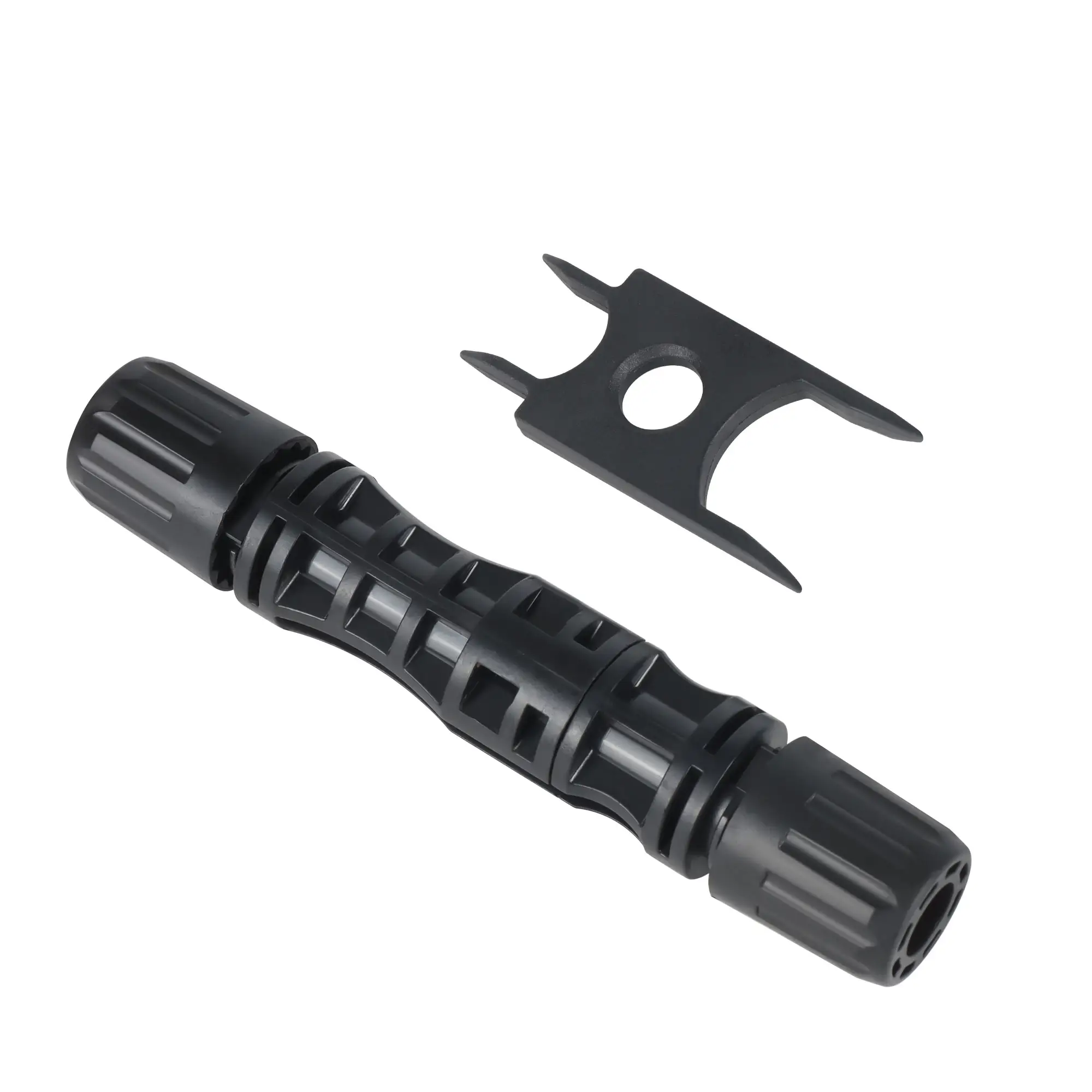
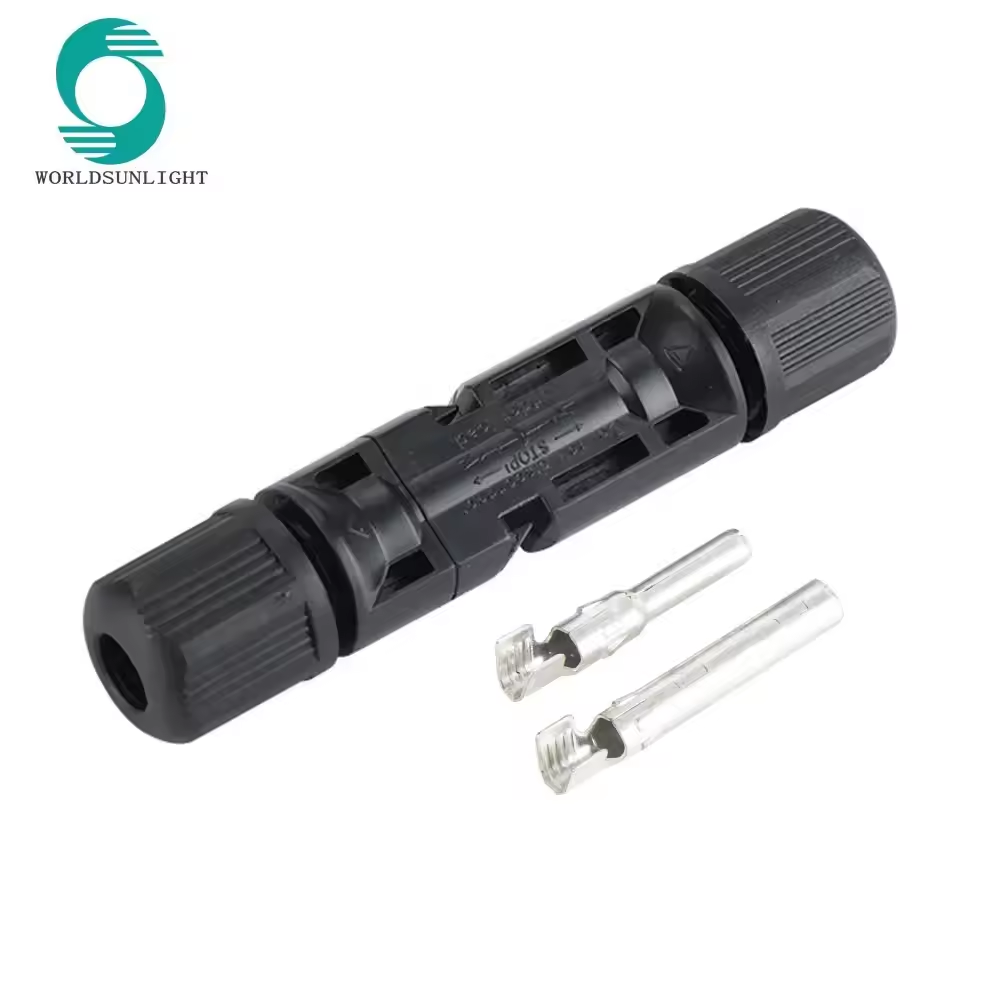
Solar connector types are essential components in photovoltaic systems that ensure safe and reliable electrical connections between solar panels, inverters, and other system components. These specialized connectors are designed to withstand harsh outdoor environments while maintaining optimal electrical performance throughout the system's lifespan. Understanding solar connector types is crucial for anyone involved in solar installation or maintenance, as selecting the appropriate connector directly impacts system efficiency and safety. The most common solar connector types include MC4, MC3, Tyco Solarlok, and Amphenol H4 connectors, each offering unique features suited to different applications. MC4 connectors dominate the market due to their snap-in locking mechanism and universal compatibility, while other solar connector types cater to specific voltage requirements or regional preferences. These connectors feature weatherproof designs with IP67 or IP68 ratings, ensuring protection against dust, moisture, and UV radiation. The technological advancement in solar connector types has led to improved contact resistance, reduced power loss, and enhanced durability. Modern solar connector types incorporate copper alloy contacts with tin or silver plating to minimize corrosion and maintain low contact resistance over decades of operation. They typically support voltage ratings from 600V to 1500V and current capacities ranging from 20A to 50A, accommodating various solar array configurations. Proper selection among solar connector types requires consideration of system voltage, current load, environmental conditions, and compatibility with existing equipment, making knowledge of these connector varieties indispensable for successful solar installations.

 EN
EN