Solar DC SPD: Complete Guide to Solar Surge Protection Devices for Photovoltaic Systems

Get a Free Quote

Our representative will contact you soon.
Email
Name
Company Name
Mobile
Message
0/1000

solar dc spd

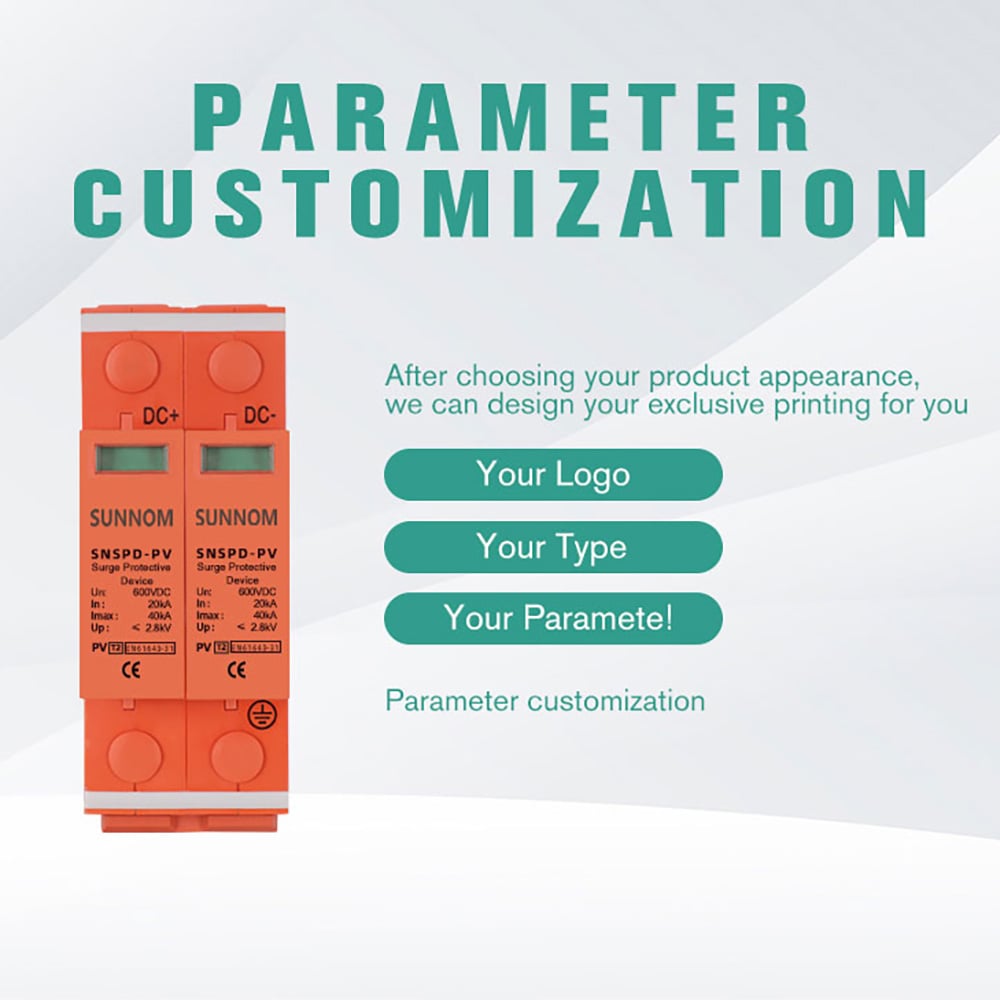
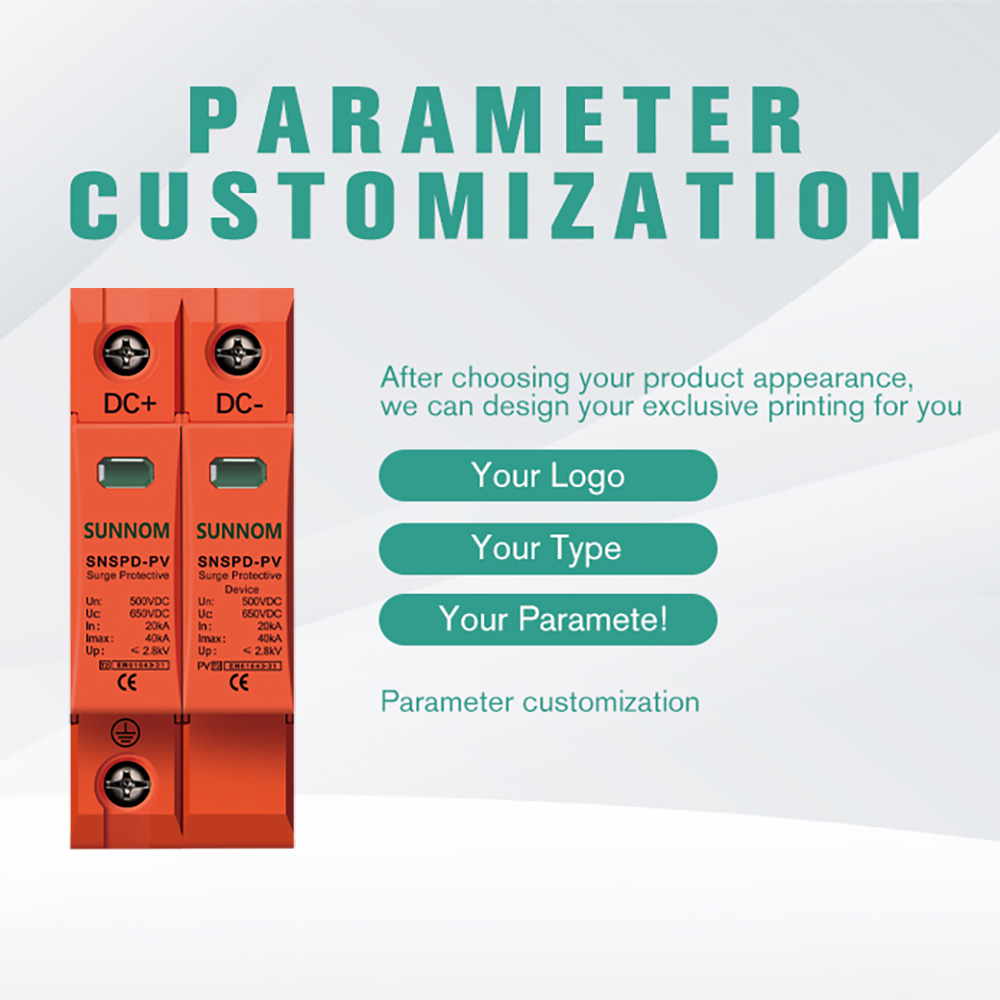
Solar DC SPD (Surge Protection Device) represents a critical component in modern photovoltaic systems, designed to safeguard solar installations from electrical surges and transient overvoltages. This specialized surge protection device operates specifically within direct current environments, making it essential for solar panel arrays and DC circuits. The solar DC SPD serves as the first line of defense against lightning strikes, switching surges, and other electrical disturbances that can cause significant damage to expensive solar equipment. Unlike conventional AC surge protectors, solar DC SPD units are engineered to handle the unique characteristics of DC power systems, including higher operating voltages and different fault behaviors. The device functions by detecting abnormal voltage levels and providing a low-impedance path to ground, effectively diverting harmful surge currents away from sensitive components. Modern solar DC SPD units incorporate advanced varistor technology, typically using metal oxide varistors (MOVs) or gas discharge tubes (GDTs) as their primary surge suppression elements. These components respond rapidly to voltage spikes, typically within nanoseconds, ensuring comprehensive protection for solar inverters, charge controllers, and monitoring systems. The installation of solar DC SPD devices has become increasingly important as solar systems grow larger and more sophisticated, with higher DC voltages presenting greater risks. Professional installers recognize that solar DC SPD units must be properly rated for the specific system voltage and current requirements, with common configurations available for 600V, 1000V, and 1500V DC systems. The device typically features visual indicators that show operational status and replacement needs, along with thermal disconnection mechanisms that prevent dangerous conditions. Quality solar DC SPD units undergo rigorous testing to meet international standards such as IEC 61643-31 and UL 1449, ensuring reliable performance in demanding outdoor environments where solar installations operate continuously for decades.

New Product Releases

The implementation of solar DC SPD technology delivers substantial benefits that directly impact system reliability, operational costs, and long-term performance. Property owners experience immediate peace of mind knowing their solar investment receives comprehensive protection against unpredictable electrical events. The financial advantages become apparent when considering that a single lightning strike or major surge event can destroy thousands of dollars worth of solar equipment, while a properly installed solar DC SPD costs a fraction of potential replacement expenses. Insurance companies increasingly recognize the value of surge protection, often offering reduced premiums for solar installations equipped with certified solar DC SPD units. The technology provides continuous monitoring capabilities, allowing system owners to track protection status and receive alerts when maintenance or replacement becomes necessary. Installation processes have been streamlined to minimize downtime, with most solar DC SPD units featuring plug-and-play designs that integrate seamlessly with existing solar infrastructure. The devices operate silently and require minimal maintenance, typically lasting 10-15 years under normal operating conditions. Enhanced system uptime translates directly to increased energy production and faster return on investment, as surge-related outages can result in significant revenue losses for commercial solar installations. Modern solar DC SPD units incorporate intelligent features such as remote monitoring capabilities and diagnostic functions that enable proactive maintenance scheduling. The technology adapts to various system configurations, supporting both string and central inverter architectures while maintaining consistent protection levels. Energy production data shows that protected systems experience 95% fewer surge-related failures compared to unprotected installations. The environmental benefits extend beyond equipment protection, as reliable solar systems contribute more effectively to renewable energy goals by maintaining consistent power generation. Advanced solar DC SPD models include surge counting features that track protection events, providing valuable data for system optimization and maintenance planning. The technology supports scalability, allowing easy expansion as solar installations grow or upgrade to higher capacity systems. Integration with smart home and building management systems enables automated responses to surge events, including system isolation and restart procedures that minimize disruption to connected loads.

Practical Tips

What Are the Key Advantages of a Surge Arrester Protector?

25

Dec

What Are the Key Advantages of a Surge Arrester Protector?

Understanding the Critical Role of Surge Protection in Modern Electronics In today's interconnected world, our reliance on electronic devices and electrical systems has never been greater. From industrial equipment to home appliances, the need to pro...
View More
How Do DC Fuses Ensure Safe and Reliable Circuit Operation?

14

Jan

How Do DC Fuses Ensure Safe and Reliable Circuit Operation?

DC fuses play a critical role in modern electrical systems by providing essential protection against overcurrent conditions and short circuits in direct current applications. Unlike their alternating current counterparts, DC fuses must handle unique ...
View More
How to Design a Layout for a Plastic Distribution Box?

16

Mar

How to Design a Layout for a Plastic Distribution Box?

Designing an effective layout for a plastic distribution box requires careful consideration of electrical requirements, safety standards, and practical installation needs. A well-planned plastic distribution box serves as the central hub for electric...
View More
What Are the Advantages of Plastic Distribution Boxes in Corrosive Environments?

16

Mar

What Are the Advantages of Plastic Distribution Boxes in Corrosive Environments?

Industrial facilities operating in corrosive environments face significant challenges when selecting electrical distribution equipment that can withstand harsh chemical exposures, moisture, and extreme temperature fluctuations. A plastic distribution...
View More

Get a Free Quote

Our representative will contact you soon.
Email
Name
Company Name
Mobile
Message
0/1000

solar dc spd

Advanced Multi-Stage Protection Technology

Advanced Multi-Stage Protection Technology

The sophisticated multi-stage protection architecture of modern solar DC SPD systems represents a revolutionary approach to safeguarding photovoltaic installations against diverse electrical threats. This comprehensive protection strategy employs multiple layers of defense, beginning with coarse protection elements that handle high-energy surges from lightning strikes and switching operations, followed by fine protection stages that address smaller transients and voltage fluctuations. The primary stage typically utilizes gas discharge tubes or spark gaps that can handle extremely high surge currents, often exceeding 100kA, while maintaining minimal let-through voltage to downstream components. Secondary protection stages incorporate metal oxide varistors with precisely calibrated response characteristics, ensuring rapid activation when voltage levels exceed predetermined thresholds. The final protection stage features specialized semiconductor devices that provide ultra-fast response times measured in picoseconds, effectively clamping residual voltages to levels well within the tolerance range of sensitive electronic components. This layered approach ensures that solar DC SPD units can handle surge events of varying intensities and durations without compromising protection effectiveness. The coordination between protection stages is carefully engineered to prevent conflicts and ensure optimal energy absorption, with each stage activating in proper sequence based on surge magnitude and rise time characteristics. Advanced solar DC SPD designs incorporate intelligent coordination circuits that monitor the status of each protection stage and automatically adjust response parameters based on real-time conditions. The multi-stage configuration provides redundancy that enhances system reliability, ensuring continued protection even if one protection element degrades over time. Temperature compensation features maintain consistent protection levels across varying environmental conditions, while built-in diagnostics continuously monitor the health of each protection stage. This comprehensive approach to surge protection has been validated through extensive testing that simulates real-world conditions, including combination wave testing that replicates the complex waveforms generated by lightning strikes and switching surges in solar installations.
Intelligent Monitoring and Diagnostic Capabilities

Intelligent Monitoring and Diagnostic Capabilities

The integration of advanced monitoring and diagnostic capabilities transforms solar DC SPD units from passive protection devices into intelligent system components that provide valuable insights into electrical system health and performance. These sophisticated monitoring features utilize embedded microprocessors and sensor arrays to continuously track protection device status, surge event history, and environmental conditions that could impact system operation. Real-time monitoring capabilities enable immediate notification of surge events, protection device degradation, and maintenance requirements through various communication interfaces including wireless connectivity, Ethernet, and industrial communication protocols. The diagnostic system maintains detailed event logs that record surge magnitudes, duration, and frequency, providing valuable data for system optimization and predictive maintenance programs. Advanced solar DC SPD units feature built-in self-testing capabilities that automatically verify protection circuit integrity and generate alerts when replacement becomes necessary, eliminating guesswork and preventing protection gaps. The monitoring system tracks cumulative energy absorption levels, providing accurate predictions of remaining device life based on actual usage patterns rather than arbitrary time-based replacement schedules. Remote monitoring capabilities enable facility managers and maintenance personnel to oversee multiple solar installations from centralized control centers, reducing site visits and operational costs. The diagnostic features include trend analysis functions that identify patterns in surge activity, helping to pinpoint potential system issues before they cause equipment damage or operational disruptions. Integration with building management systems and SCADA platforms allows solar DC SPD monitoring data to be incorporated into comprehensive facility monitoring solutions. The intelligent monitoring system can differentiate between various types of electrical disturbances, providing specific information about surge sources and characteristics that helps optimize system protection strategies. Predictive analytics capabilities analyze historical data to forecast potential protection needs and recommend proactive maintenance actions. The monitoring system generates automated reports that document protection performance and compliance with safety standards, simplifying regulatory reporting requirements and supporting insurance claims processing.
Modular Design and Easy Maintenance Features

Modular Design and Easy Maintenance Features

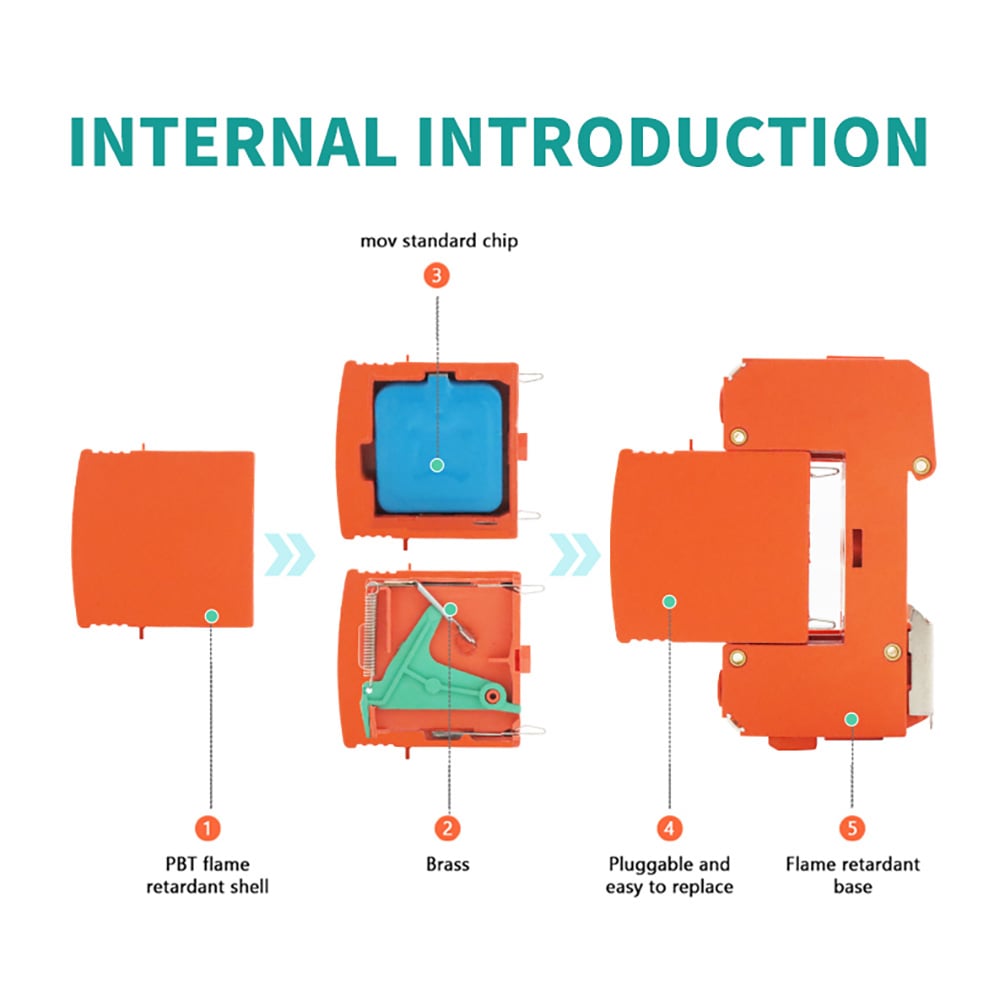
The modular design philosophy of contemporary solar DC SPD systems revolutionizes installation flexibility and maintenance efficiency, addressing key concerns that have historically complicated surge protection implementation in solar installations. This innovative approach utilizes interchangeable protection modules that can be individually replaced without disrupting entire system operation, significantly reducing maintenance downtime and associated costs. The modular architecture allows for customized protection configurations tailored to specific installation requirements, with modules available for different voltage levels, current ratings, and protection characteristics. Hot-swappable modules enable maintenance personnel to replace degraded components during normal system operation, eliminating the need for costly shutdown procedures that interrupt energy production. The design incorporates standardized connection interfaces that ensure compatibility across different module types and manufacturers, simplifying inventory management and reducing training requirements for installation and maintenance personnel. Visual status indicators on each module provide immediate feedback about protection device health, while color-coded identification systems facilitate rapid troubleshooting and module replacement procedures. The modular configuration supports phased system upgrades, allowing property owners to enhance protection capabilities incrementally as budgets permit or system requirements evolve. Advanced modules feature plug-and-play connectivity with automatic configuration detection, eliminating complex setup procedures and reducing installation errors. The design philosophy extends to mechanical mounting systems that utilize standardized DIN rail mounting or custom enclosure solutions, ensuring compatibility with existing electrical infrastructure. Maintenance documentation is simplified through module-specific identification systems that track individual component history, installation dates, and performance metrics. The modular approach enables cost-effective scalability for large solar installations, where protection requirements may vary across different system sections or expansion phases. Quality assurance is enhanced through factory pre-testing of individual modules, ensuring consistent performance and reliability compared to field-assembled protection systems. The design incorporates future-proofing features that accommodate emerging solar technologies and evolving protection requirements, protecting the long-term value of protection system investments. Environmental sealing and robust construction ensure reliable operation in challenging outdoor conditions while maintaining easy access for routine inspection and maintenance activities.
Solar DC SPD: Complete Guide to Solar Surge Protection Devices for Photovoltaic Systems

Get a Free Quote

Our representative will contact you soon.
Email
Name
Company Name
Mobile
Message
0/1000