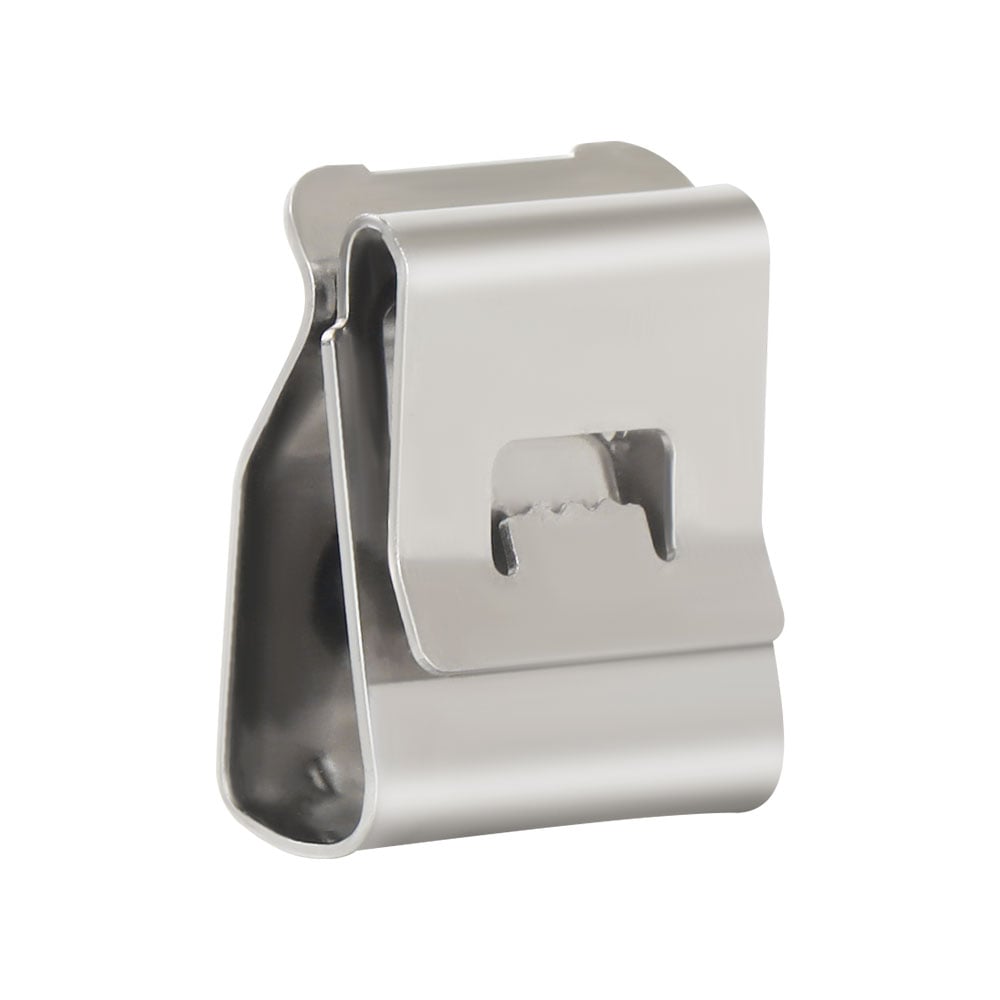
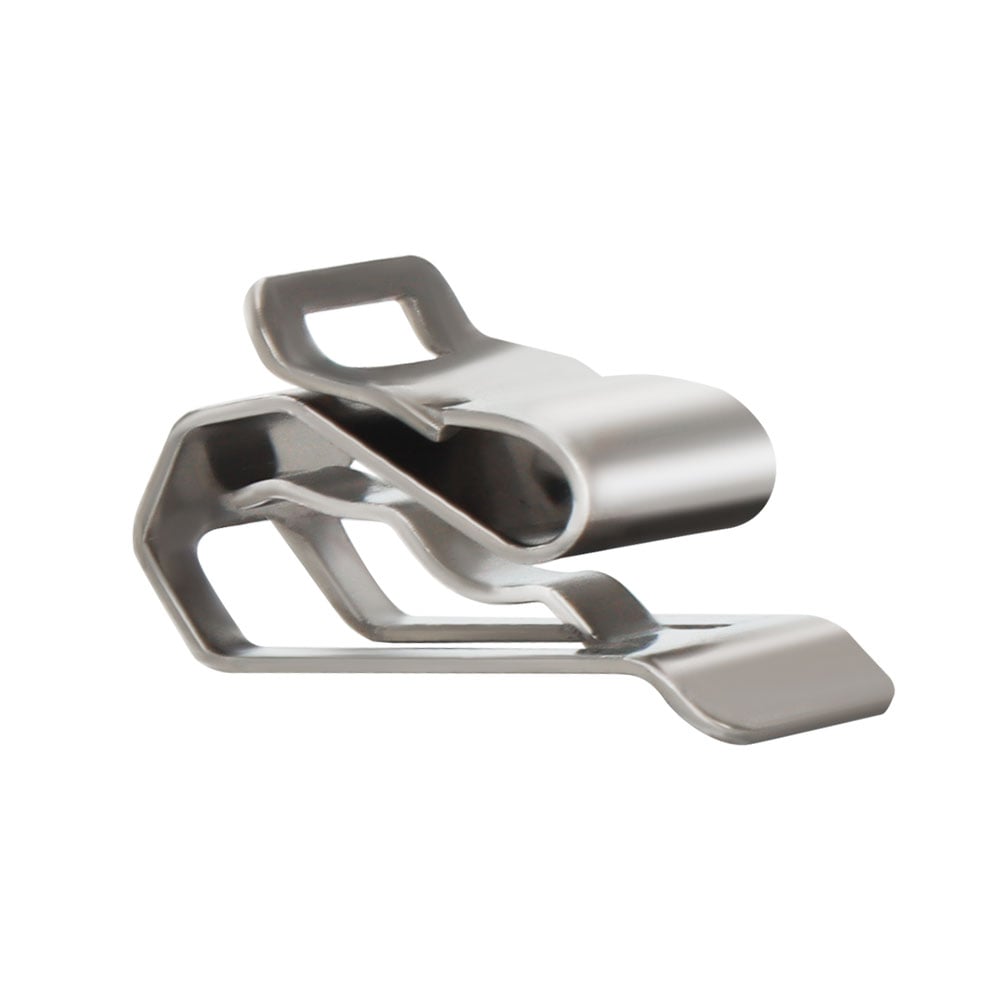
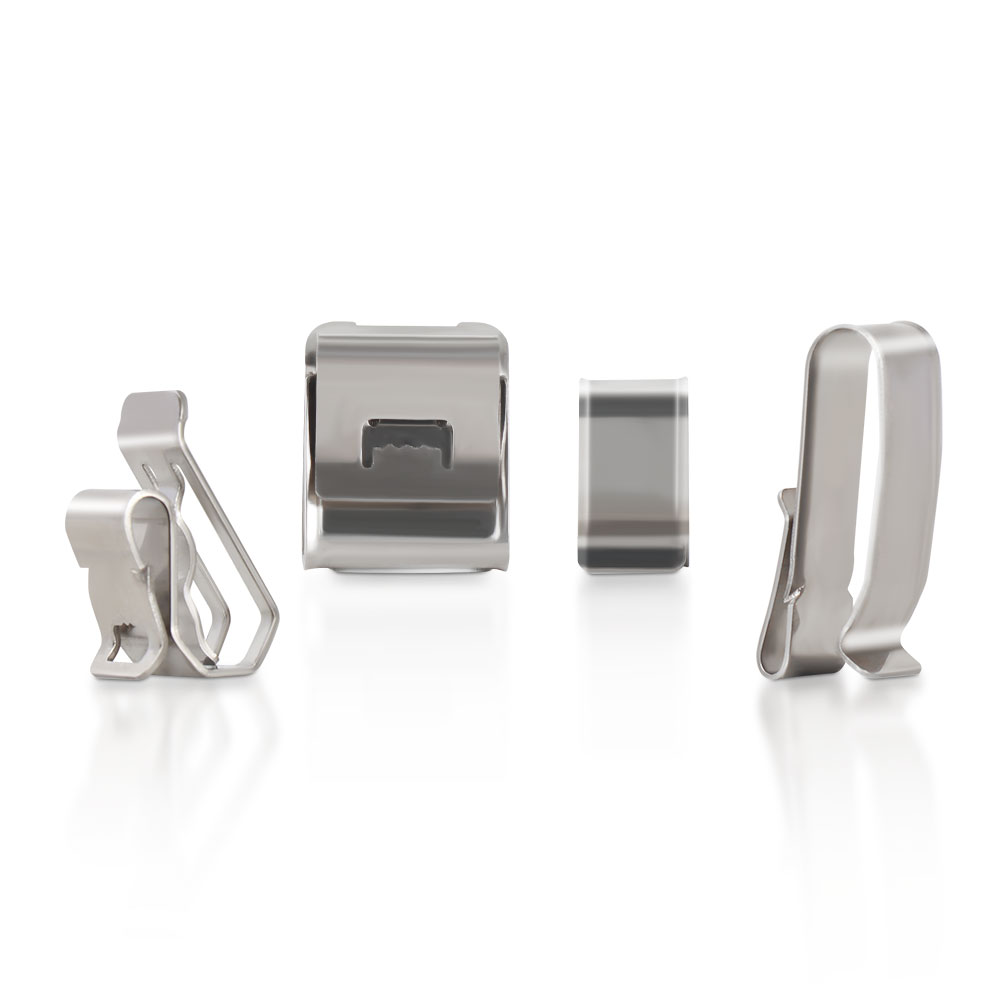
solar panel cable clip
A solar panel cable clip is an essential mounting accessory designed to organize and secure electrical cables within photovoltaic installations. This specialized component plays a crucial role in maintaining system efficiency and safety by preventing cable movement, damage, and environmental exposure. The solar panel cable clip features a robust construction that withstands harsh outdoor conditions, including UV radiation, temperature fluctuations, and moisture exposure. These clips attach directly to solar panel frames or mounting structures, creating organized cable pathways that enhance both aesthetics and functionality. The primary function of a solar panel cable clip involves securing DC cables that connect individual panels to inverters and other system components. By holding cables firmly in place, these clips prevent wind-induced stress, mechanical abrasion, and potential disconnections that could compromise system performance. Modern solar panel cable clips incorporate weather-resistant materials such as UV-stabilized plastics or stainless steel, ensuring long-term durability in demanding outdoor environments. The installation process is straightforward, typically requiring no special tools or technical expertise. Most designs feature snap-fit or bolt-on mechanisms that allow quick attachment to standard aluminum frames. Applications span residential rooftop installations, commercial solar arrays, and utility-scale solar farms. The solar panel cable clip contributes significantly to system longevity by minimizing cable wear and maintaining proper electrical connections throughout the installation's operational life. This simple yet vital component represents an investment in system reliability, reducing maintenance costs and ensuring consistent energy production over decades of service.

 EN
EN