Versatile Design for Flexible Installation Options
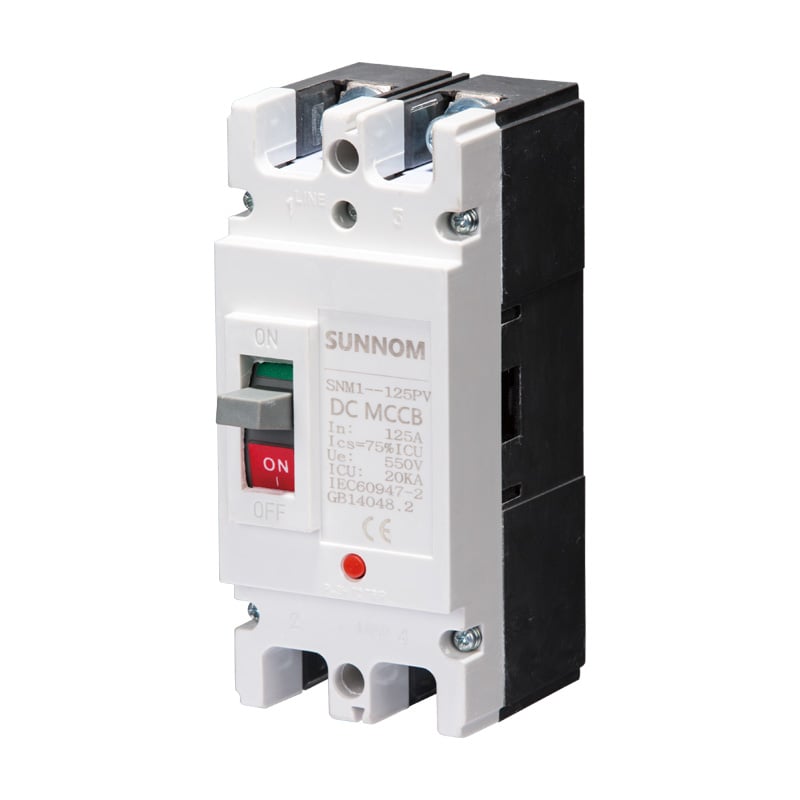
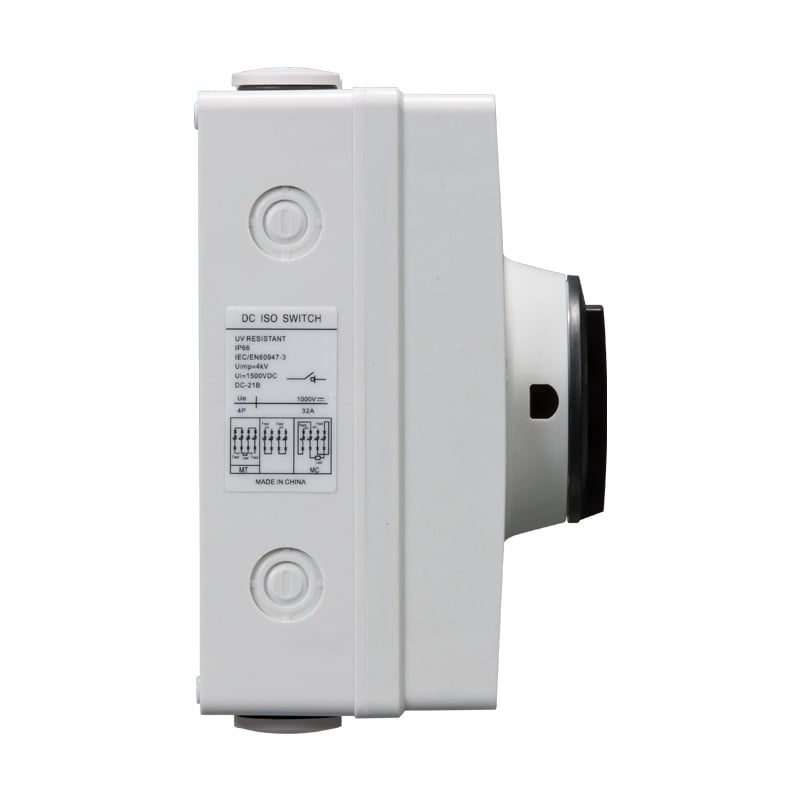
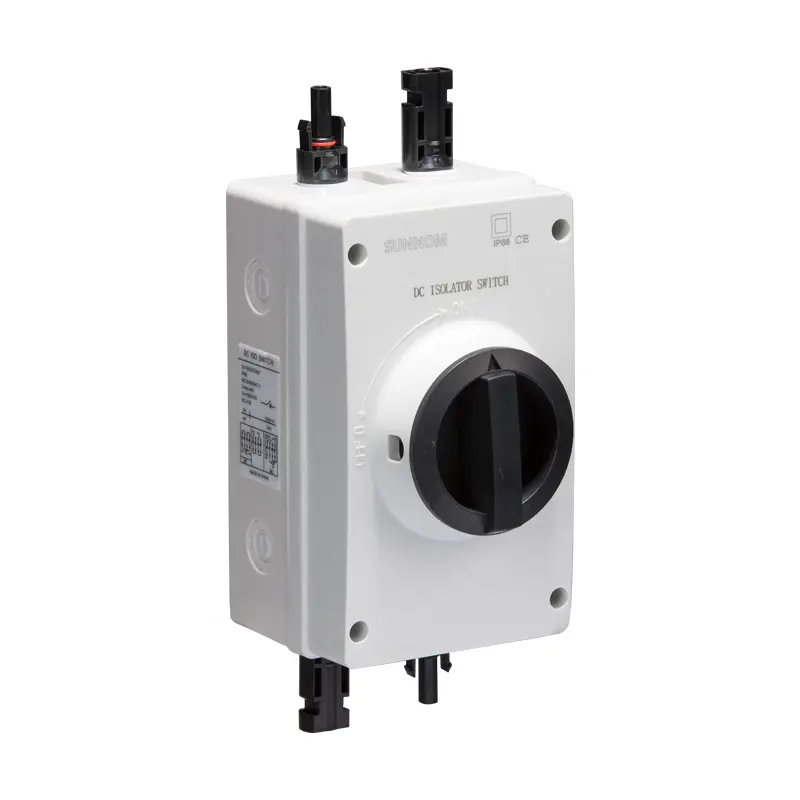
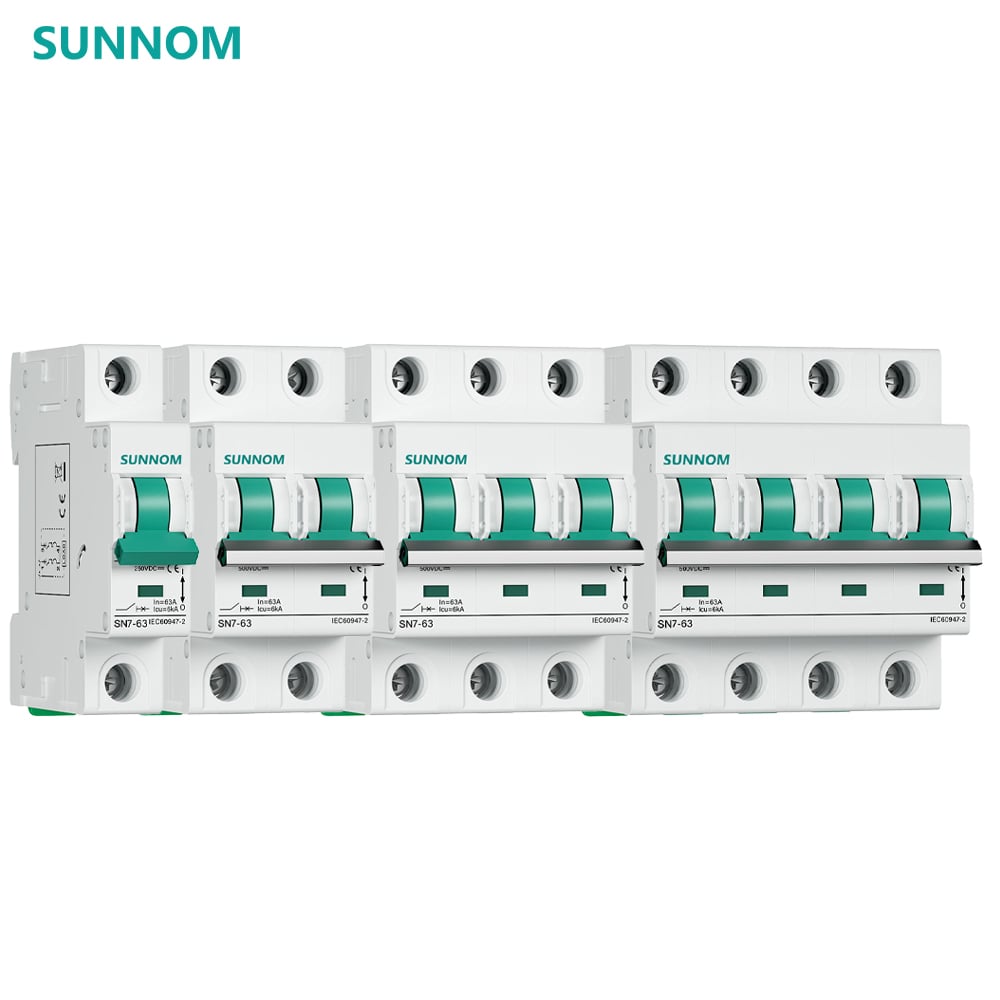
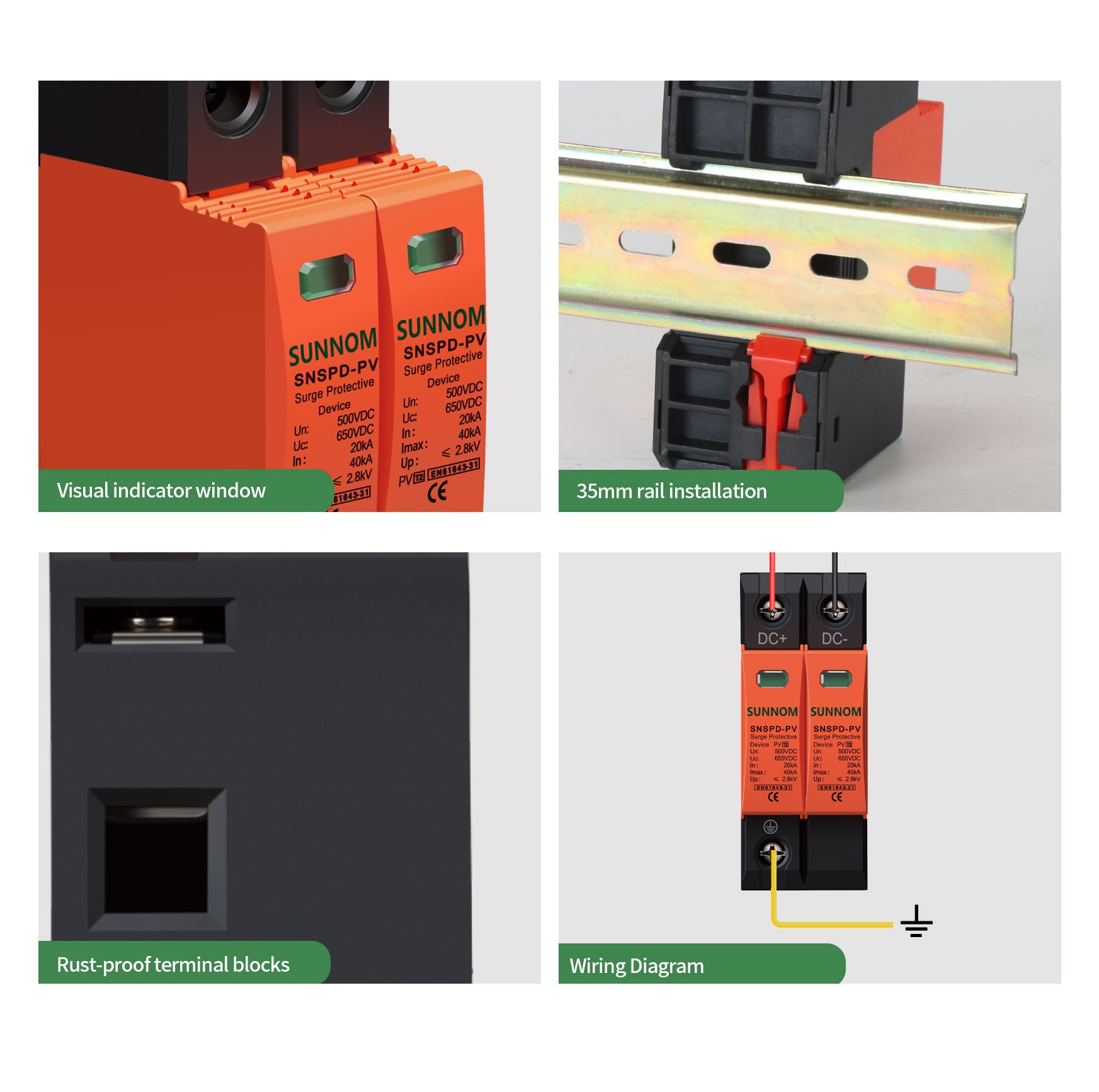
The solar pv isolator switch offers remarkable installation flexibility that accommodates diverse system configurations, mounting requirements, and application-specific needs across residential, commercial, and utility-scale solar projects. The compact footprint allows installation in space-constrained environments such as rooftop junction boxes, equipment enclosures, or tight mechanical rooms without sacrificing functionality or accessibility. Multiple mounting options including panel mount, DIN rail mount, and wall mount configurations provide designers with freedom to optimize system layout for specific site conditions. The solar pv isolator switch is available in various current ratings from 16 amps to over 125 amps, and voltage ratings from 600V to 1500V DC, ensuring appropriate sizing for systems of any scale. This range of specifications means that system designers can select precisely matched components rather than over-specifying equipment, optimizing both performance and cost. The switch terminals accept both lug and ferrule connections, accommodating different wiring preferences and local electrical practices. The solar pv isolator switch can be integrated into pre-fabricated combiner boxes or installed as standalone components, offering flexibility in system architecture. The universal design works seamlessly with all major inverter brands and panel types, eliminating compatibility concerns and simplifying procurement processes. Color-coded terminals and clear labeling reduce installation time and minimize wiring errors, while the intuitive handle operation requires no special training for operation or maintenance personnel.

 EN
EN