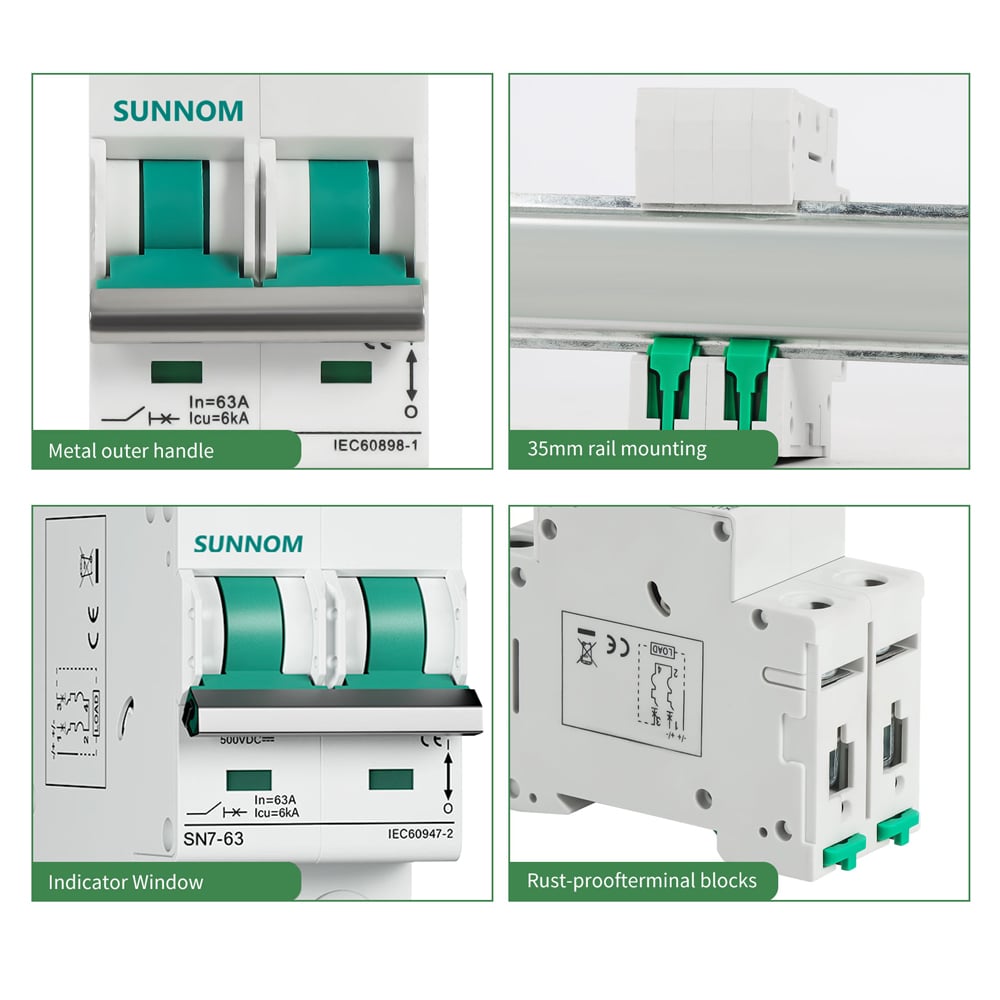
pv isolator switch
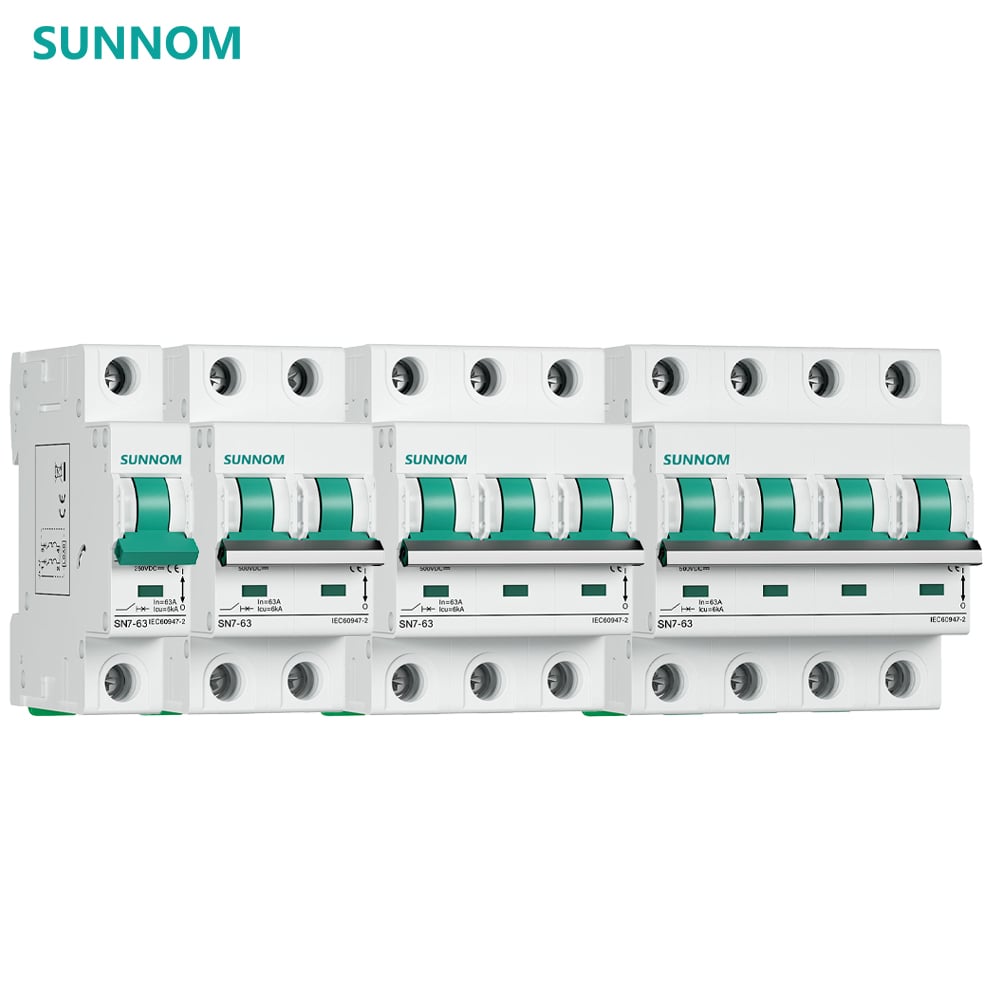
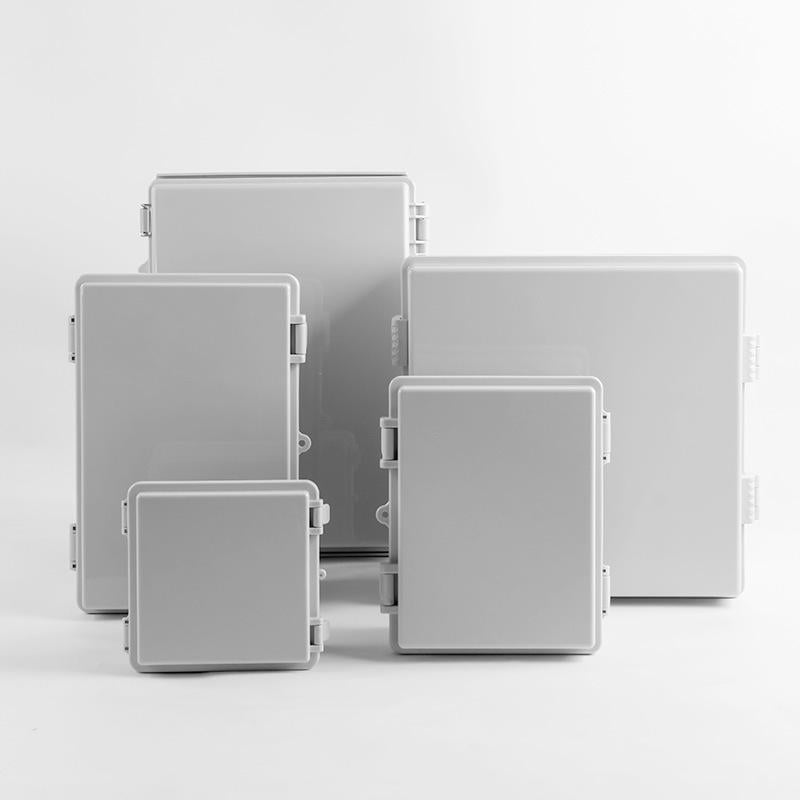
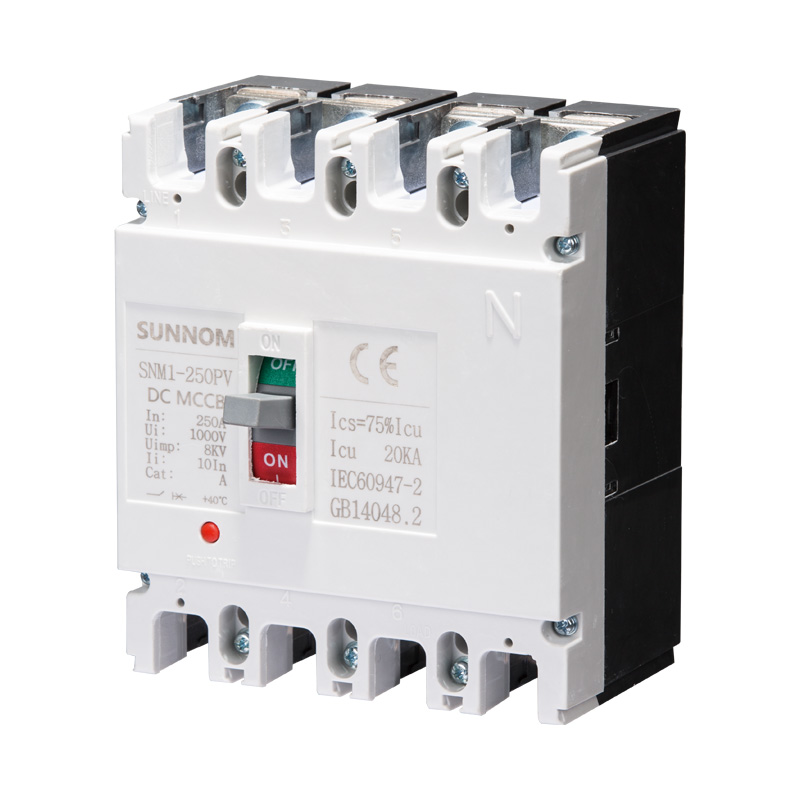
A pv isolator switch is an essential safety component designed specifically for photovoltaic solar power systems. This critical electrical device enables operators to safely disconnect solar panels from the inverter and electrical circuit during maintenance, repairs, or emergency situations. The pv isolator switch serves as a manual disconnection point that physically interrupts the flow of direct current electricity generated by solar panels. Modern pv isolator switch units are engineered to handle high DC voltages and currents typical in solar installations, typically ranging from 600V to 1500V DC. These switches incorporate weather-resistant enclosures rated to IP65 or higher standards, ensuring reliable operation in outdoor environments exposed to rain, dust, and temperature extremes. The pv isolator switch features robust contact mechanisms that minimize arcing during switching operations, which is particularly important given the sustained nature of solar-generated DC power. Advanced models include visible isolation indicators, lockable handles for safety compliance, and arc-quenching chambers that enhance operational safety. Installation locations vary from rooftop arrays to ground-mounted systems, with the pv isolator switch positioned between the solar array and power conditioning equipment. These switches comply with international standards including IEC 60947-3 and local electrical codes, ensuring compatibility with diverse solar installations. The technological design incorporates UV-resistant materials, corrosion-proof contacts, and thermal management features that guarantee long-term performance in demanding solar applications.

 EN
EN